

Chuo
Discover temples and shrines in Chuo, Japan
Explore Chuo with Goshuin Atlas
Download our app to discover all temples and shrines in Chuo, collect goshuin stamps, and plan your cultural journey with offline maps and real-time information.

Temples & Shrines in Chuo
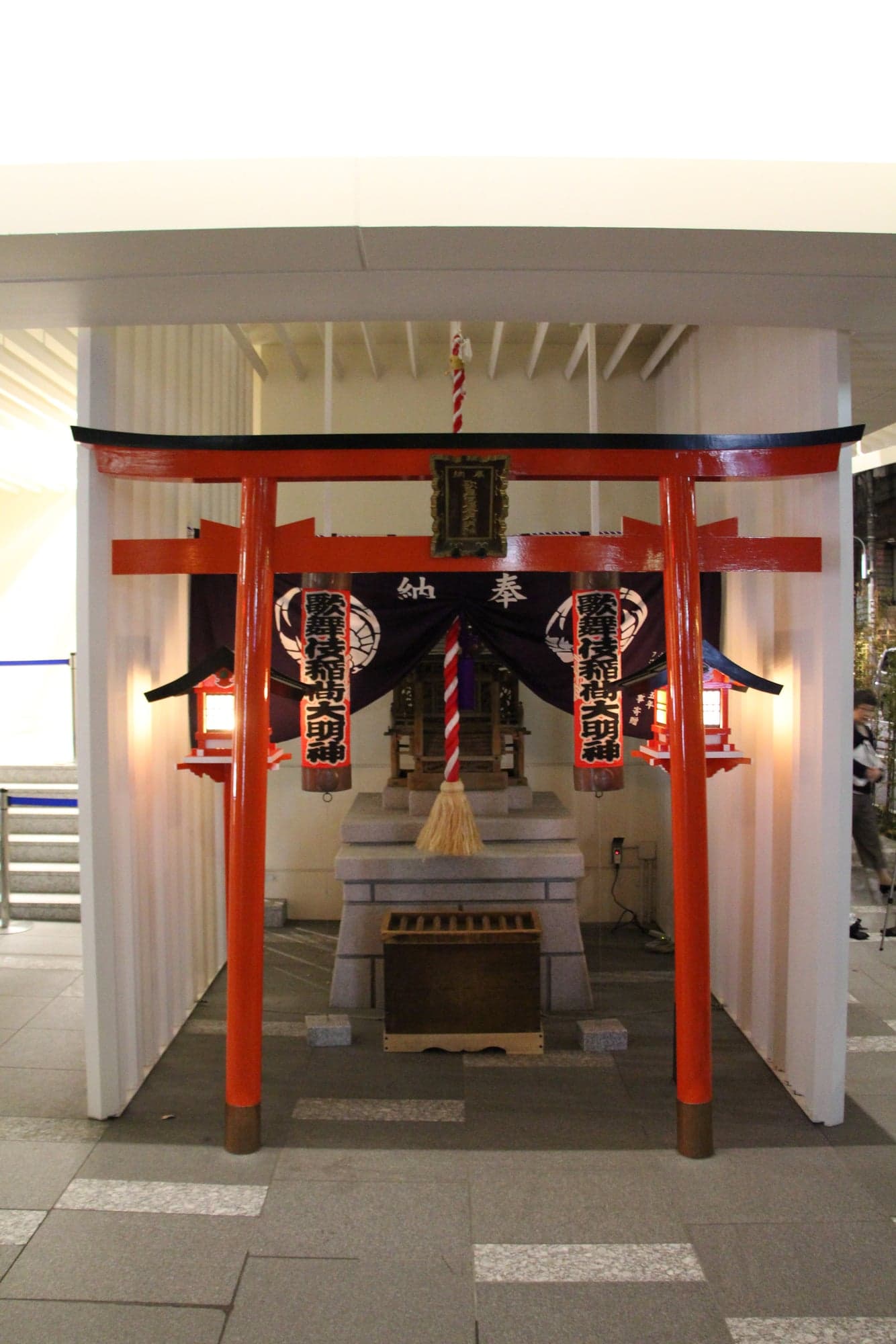
Kabuki Inari
Shrine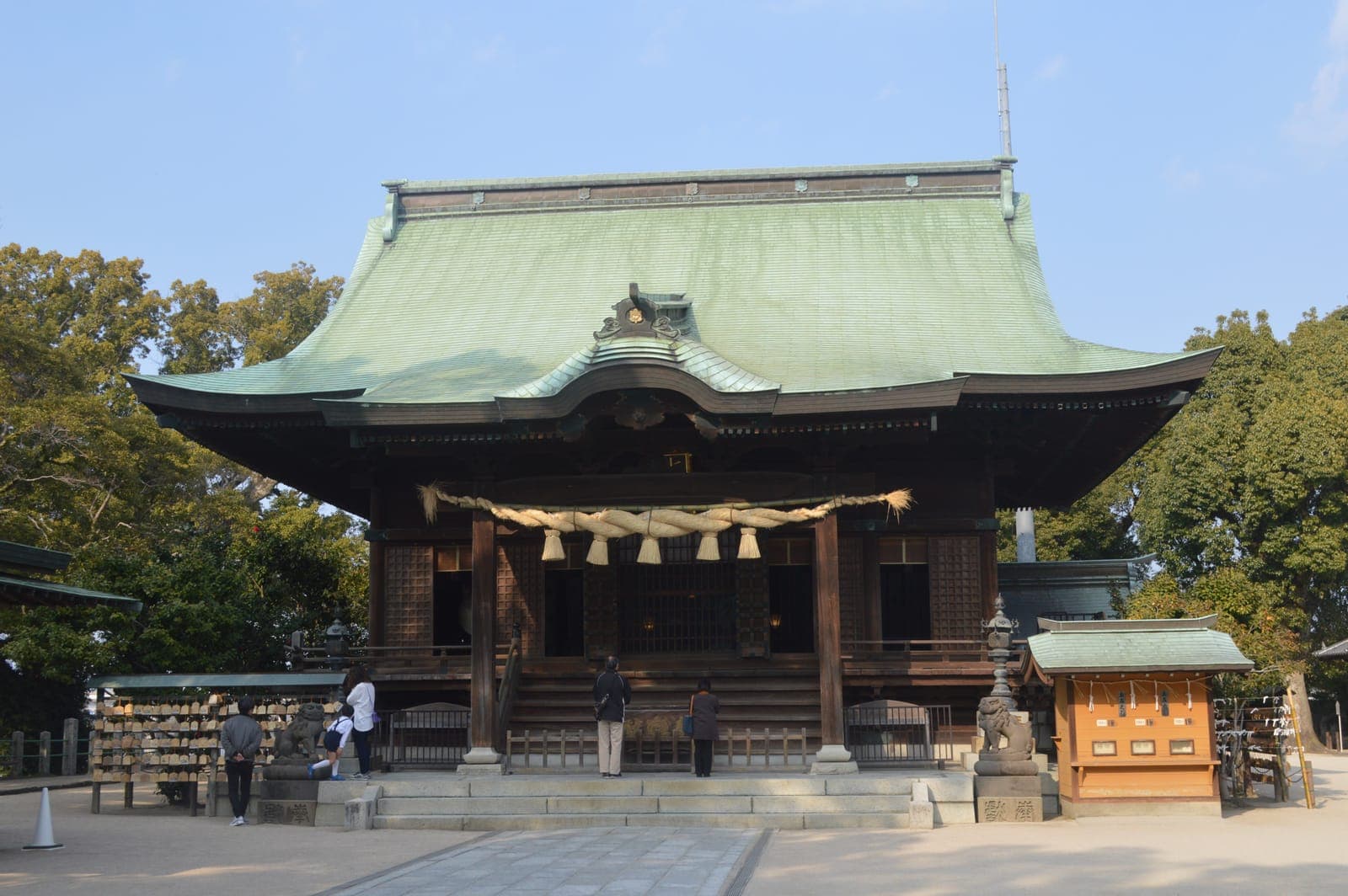
Suitengo
ShrineA Shinto shrine in Tokyo's Nihonbashi district dedicated to safe childbirth and child-rearing. Popular among expectant mothers, it features a modern building completed in 2016 with rooftop gardens and traditional worship spaces.
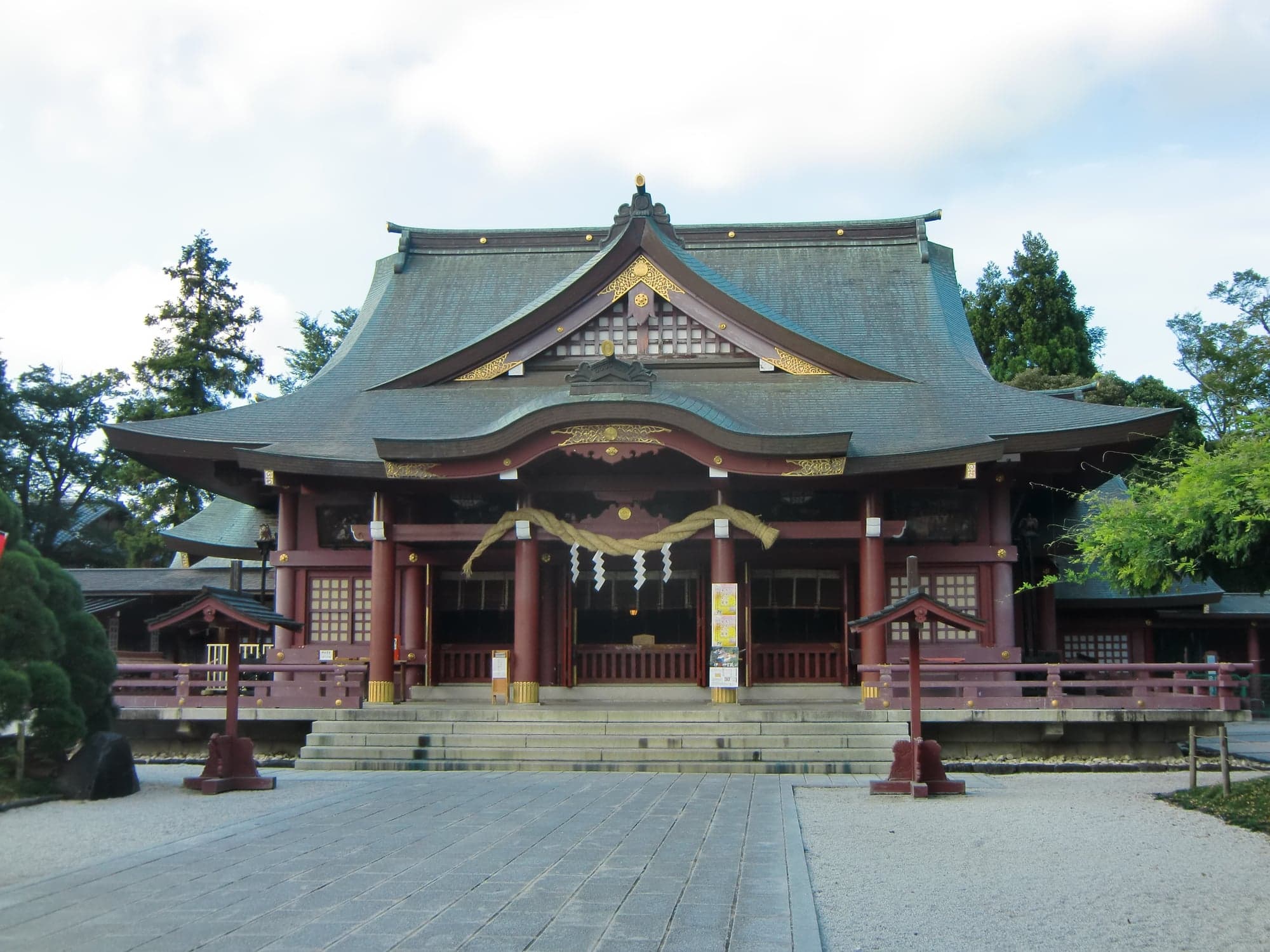
Kasama Inari Jinja
ShrineTokyo branch shrine of Kasama Inari Shrine, one of Japan's three major Inari shrines. Founded in 1681 within the Edo residence of the Makino family, lords of Kasama Domain. Known as Monzaburo Inari, it enshrines Jurojin, one of the Seven Lucky Gods of Nihonbashi.
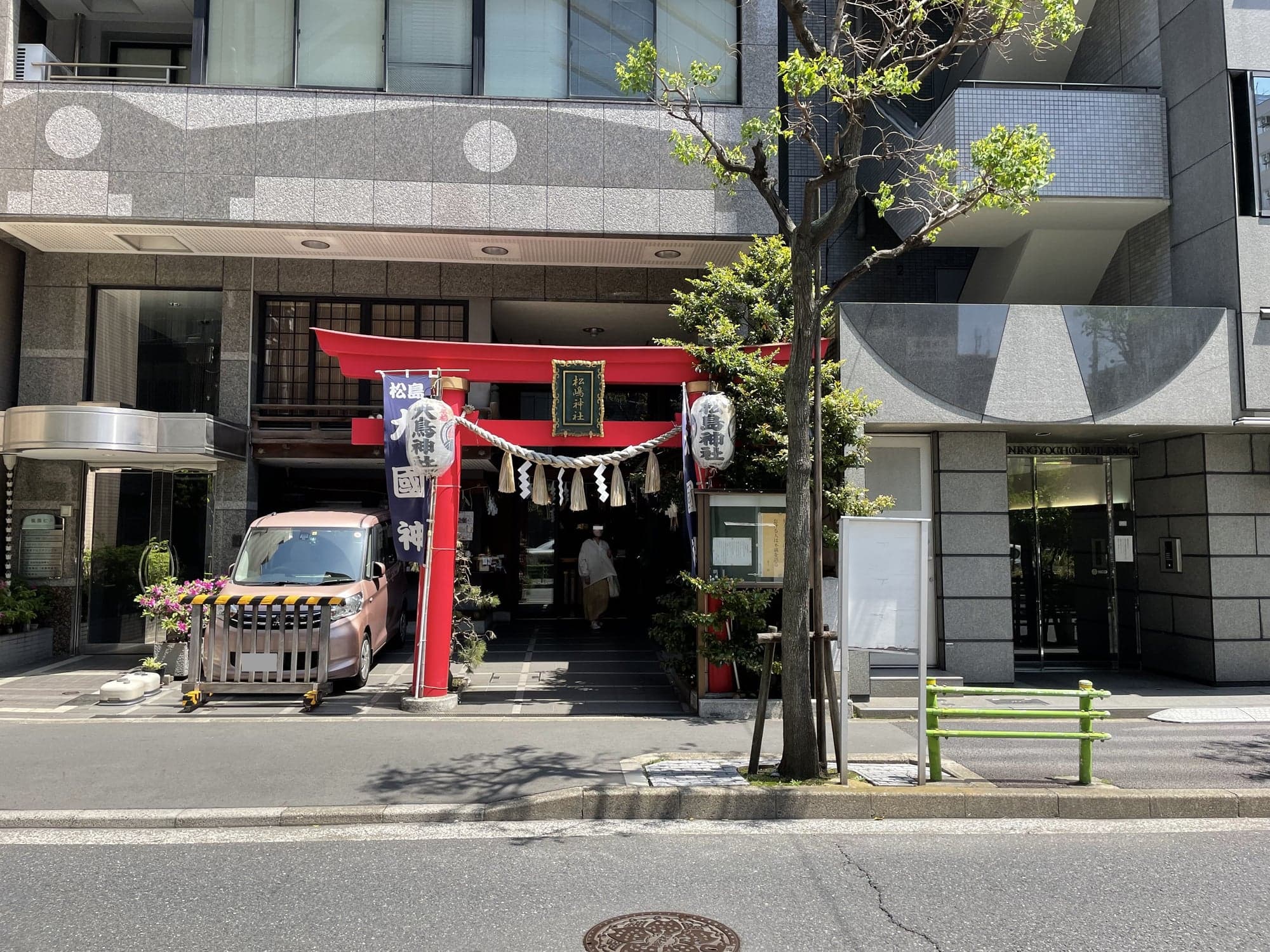
Matsushima-Jinga
ShrineA small Tokyo shrine in Nihonbashi Ningyocho dedicated to Daikokuten, one of the Seven Lucky Gods. Known locally as Otori-sama, it hosts the popular Tori no Ichi festival in November. The shrine enshrines 14 deities and is believed to bring prosperity and good fortune.
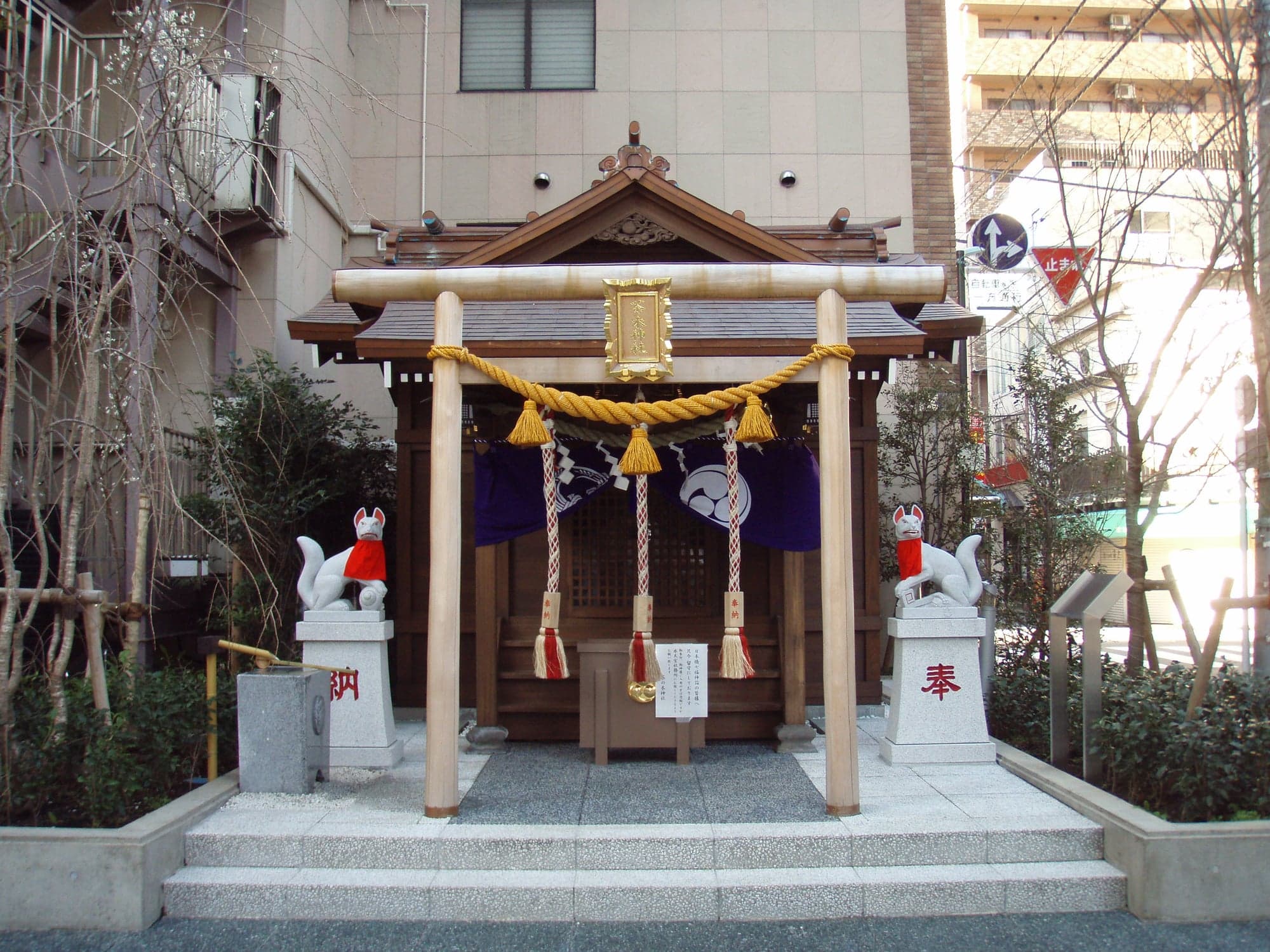
Chanoki
ShrineA serene Shinto shrine in Nihonbashi dedicated to Ukanomitama and Hotei, one of the Seven Lucky Gods. Originally enshrined as the guardian deity of the Sakura Domain residence, it was rebuilt in 2008 after subway construction and is revered as a god of fire prevention.

Koami
ShrineFounded in 1466 to end a plague, this compact shrine miraculously survived WWII firebombing. Famous as Tokyo's premier financial fortune shrine, visitors wash money at the Zeniarai-no-I well and pray to Benzaiten for wealth and prosperity. Features exquisite dragon carvings.
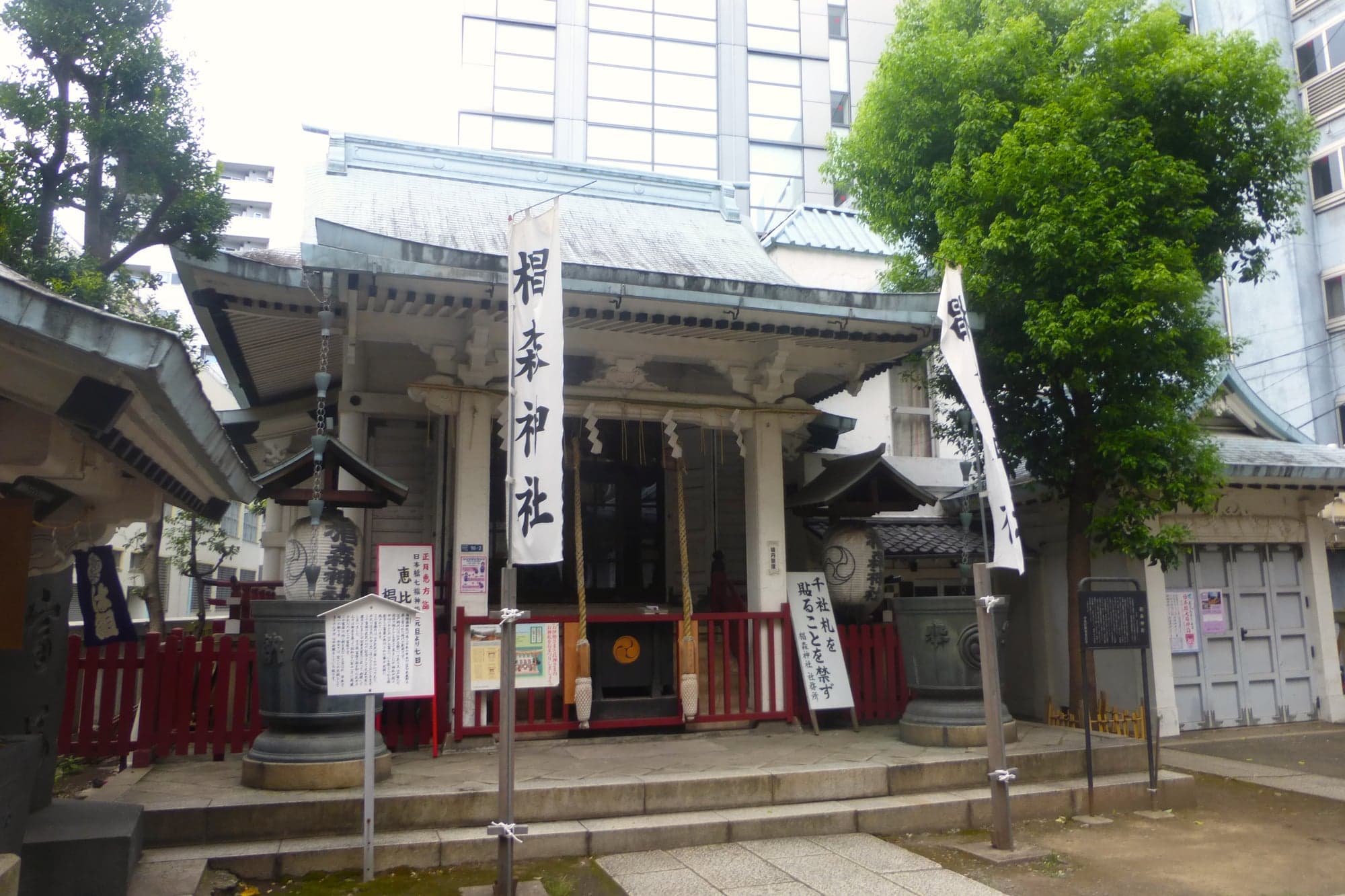
Suginomori
ShrineHistoric Inari shrine in Tokyo's Chuo district, one of the three great shrines around Edo Castle. Known for lottery fortune and Ebisu worship, it has been a center of faith since the Edo period. Hosts monthly festivals and the famous Bettara market.
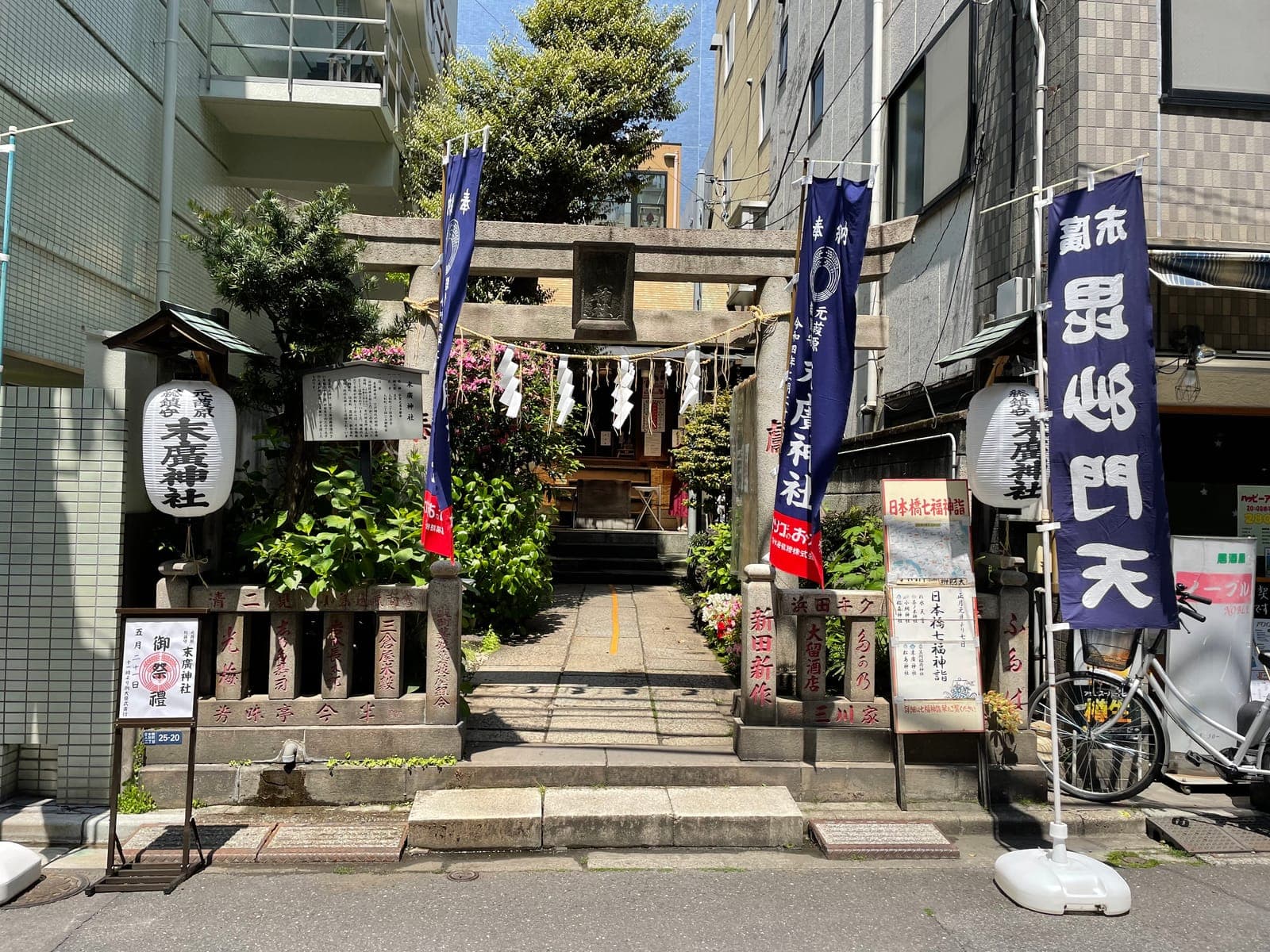
Suehiro
ShrineSuehiro Shrine (末廣神社) is a Shinto shrine in Nihonbashi, Tokyo, established before 1596 as the guardian deity of the original Yoshiwara district. It enshrines Bishamonten, one of the Seven Lucky Gods, and is named after a lucky folding fan discovered in 1675.
Frequently Asked Questions
How many temples and shrines are in Chuo?
What is the best way to visit temples in Chuo?
Can I collect goshuin at all temples in Chuo?
What is the most famous temple in Chuo?
How much does it cost to collect goshuin in Chuo?
Plan Your Chuo Temple Journey
Get detailed information, offline maps, goshuin collection tracking, and personalized recommendations for your visit to Chuo.