

Kamakura
Kamakura is a coastal city in Kanagawa Prefecture in the Kanto region of eastern Honshu. It is a former shogunate capital.
Explore Kamakura with Goshuin Atlas
Download our app to discover all temples and shrines in Kamakura, collect goshuin stamps, and plan your cultural journey with offline maps and real-time information.

Temples & Shrines in Kamakura

Hokai-ji
TempleFounded by Ashikaga Takauji in 1333 to honor the Hōjō clan who perished that year. Known as "bush-clover temple" for its garden flowers. Tendai sect temple enshrining Jizō, Juntei Kannon, and Bishamonten. Located on the former Hōjō regents' residence site.
Jomyo-ji
TempleA tranquil Rinzai Zen temple founded in the 13th century, Number Five of Kamakura Gozan. Features a beautiful karesansui dry garden, traditional teahouse, and strolling gardens with seasonal flowers. Known for its peaceful atmosphere and ties to the Ashikaga clan.

Myohon-ji
TempleOne of the oldest Nichiren sect temples in Kamakura, founded in 1260 on the former estate of the Hiki clan. Known as Chōkō-zan Myōhon-ji, this 13th-century Buddhist temple is surrounded by peaceful gardens and features beautiful seasonal flowers in a tranquil forest setting.
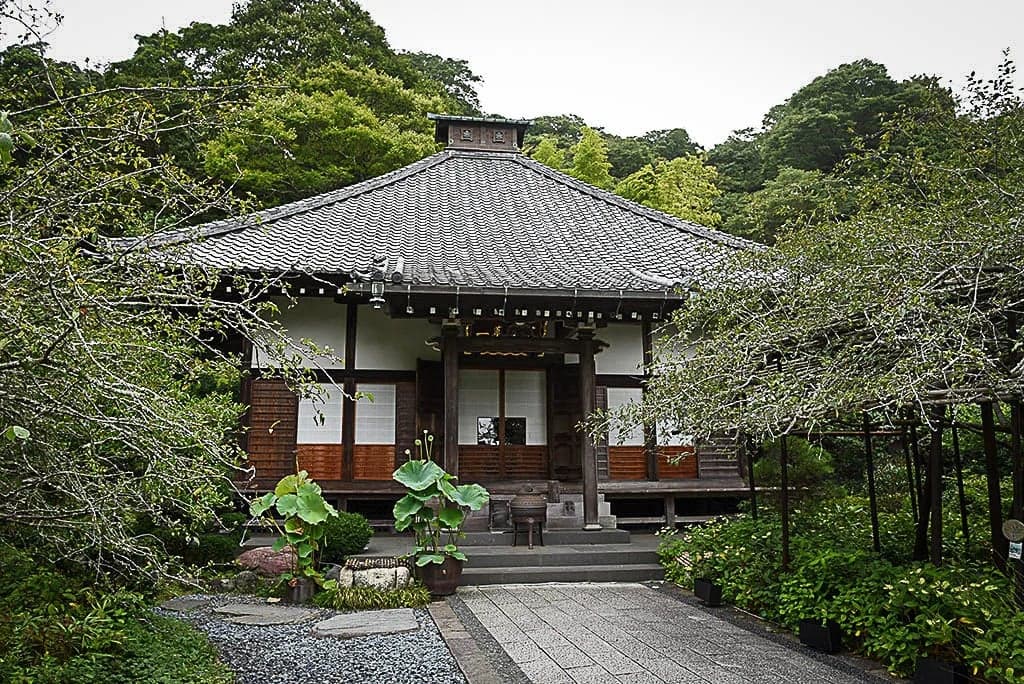
Kosoku-ji
TempleKosoku-ji is a Nichiren Buddhist temple in Hase, Kamakura, Kanagawa. Founded in 1274 by Nichirō, a senior disciple of Nichiren, with support from the lay follower Yadoya Kōsoku.
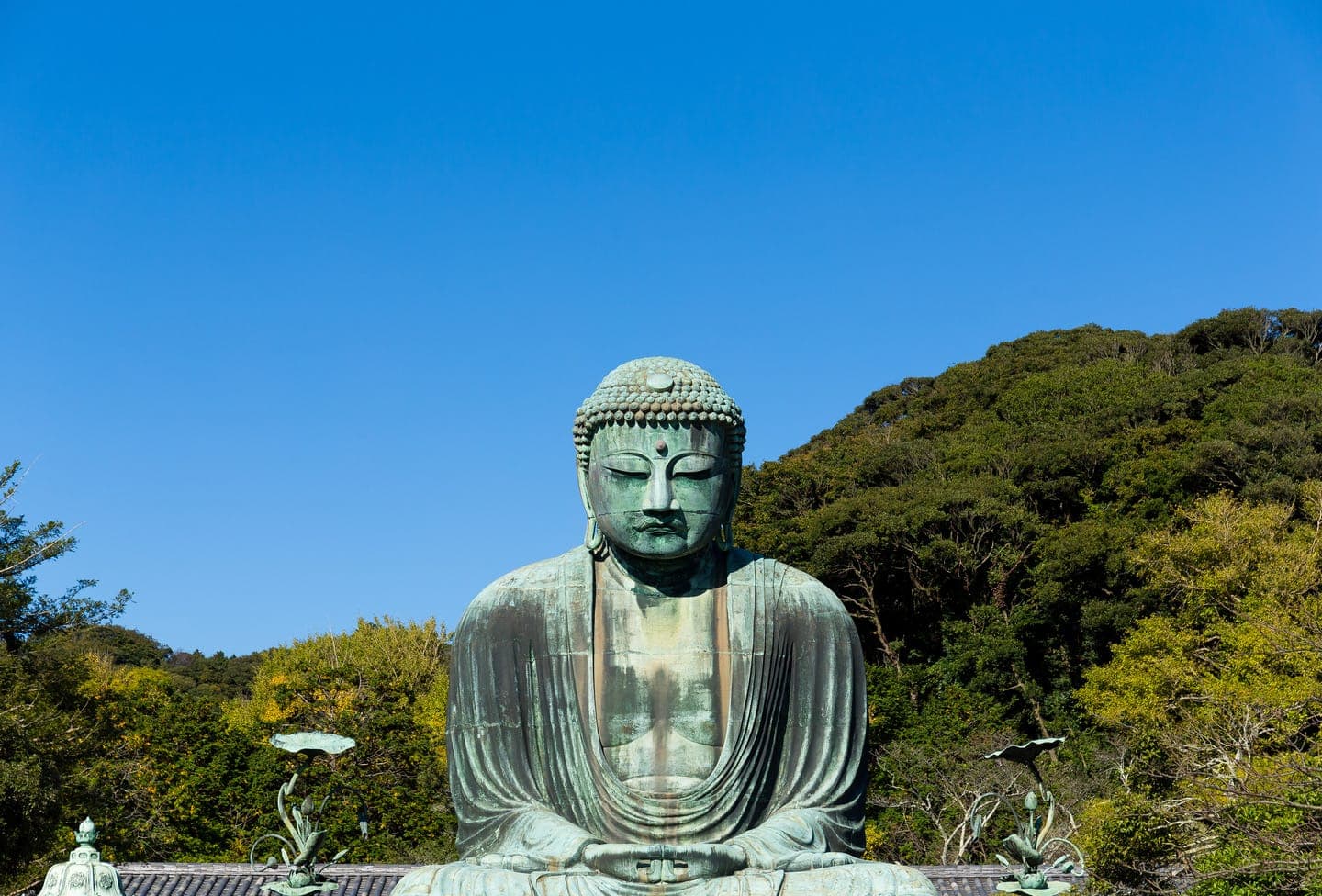
Kotoku-in
TempleKōtoku-in is a Jōdo-shū Buddhist temple in Kamakura, Kanagawa, renowned for the Great Buddha of Kamakura, a monumental outdoor bronze of Amitābha cast in 1252. The statue is a National Treasure.
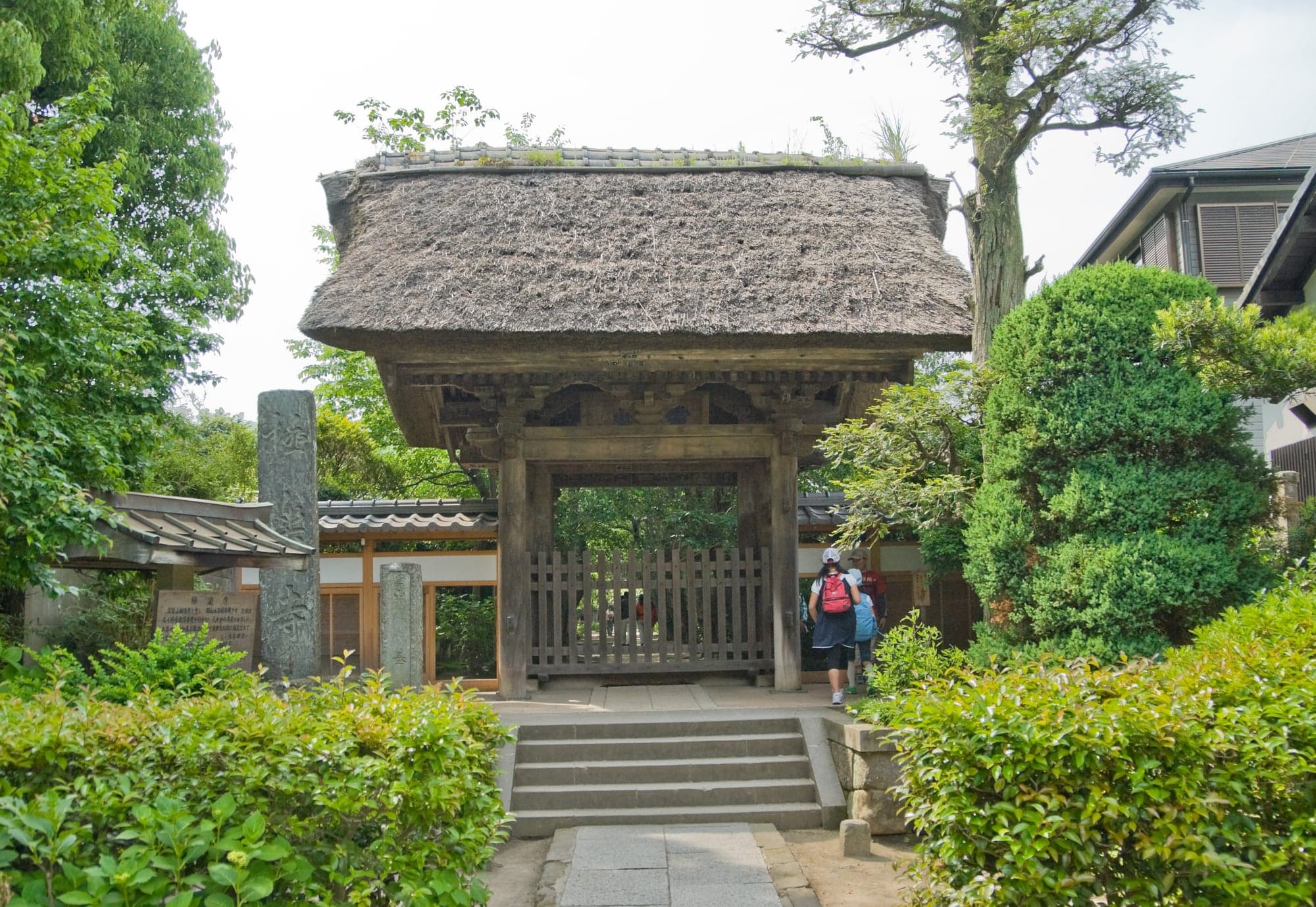
Gokuraku-ji
TempleGokurakuji is a historic Buddhist temple in Kamakura, known for its tranquil atmosphere and beautiful natural setting. As one of the important temples in the area, it offers visitors a peaceful retreat with traditional architecture and seasonal gardens.

Tsurugaoka Hachimangū
ShrineThe most important Shinto shrine in Kamakura, established in 1063 and rebuilt in 1828 in traditional Edo architectural style. Serves as the cultural center of the city, hosting major festivals and ceremonies, with a rich history tied to the Kamakura shogunate.
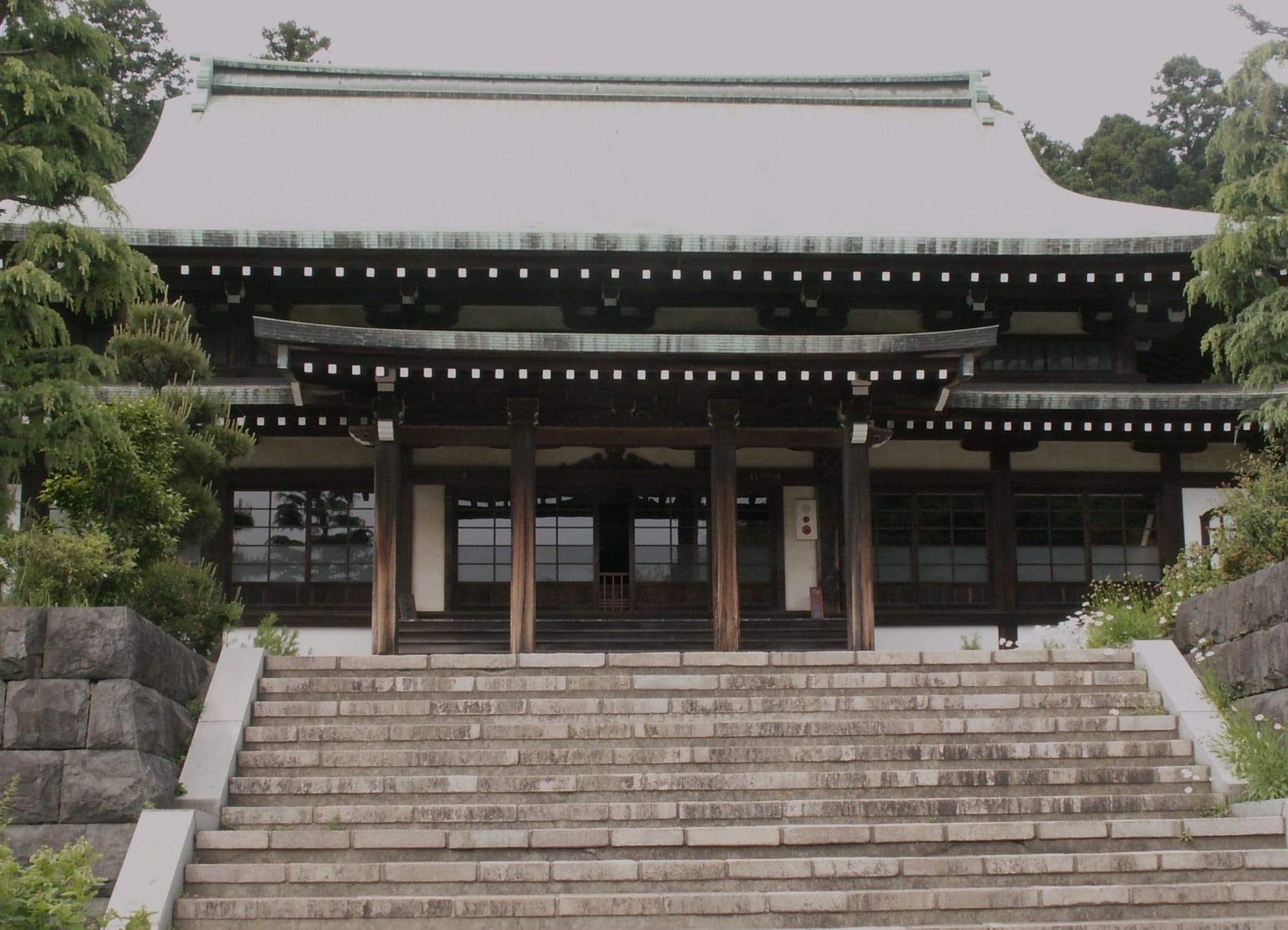
Ryuho-ji
TempleA historic Zen Buddhist temple in Kamakura's Ueki district, known for its serene atmosphere and traditional architecture. The temple offers a peaceful retreat from the city's busier tourist sites, maintaining authentic temple practices.
Jufuku-ji
TempleJufuku-ji is a Rinzai Zen Buddhist temple located in the Ogigayatsu district of Kamakura. Founded during the Kamakura shogunate period, it stands as one of Kamakura's Five Great Zen Temples, reflecting the city's historical significance as Japan's first military capital.
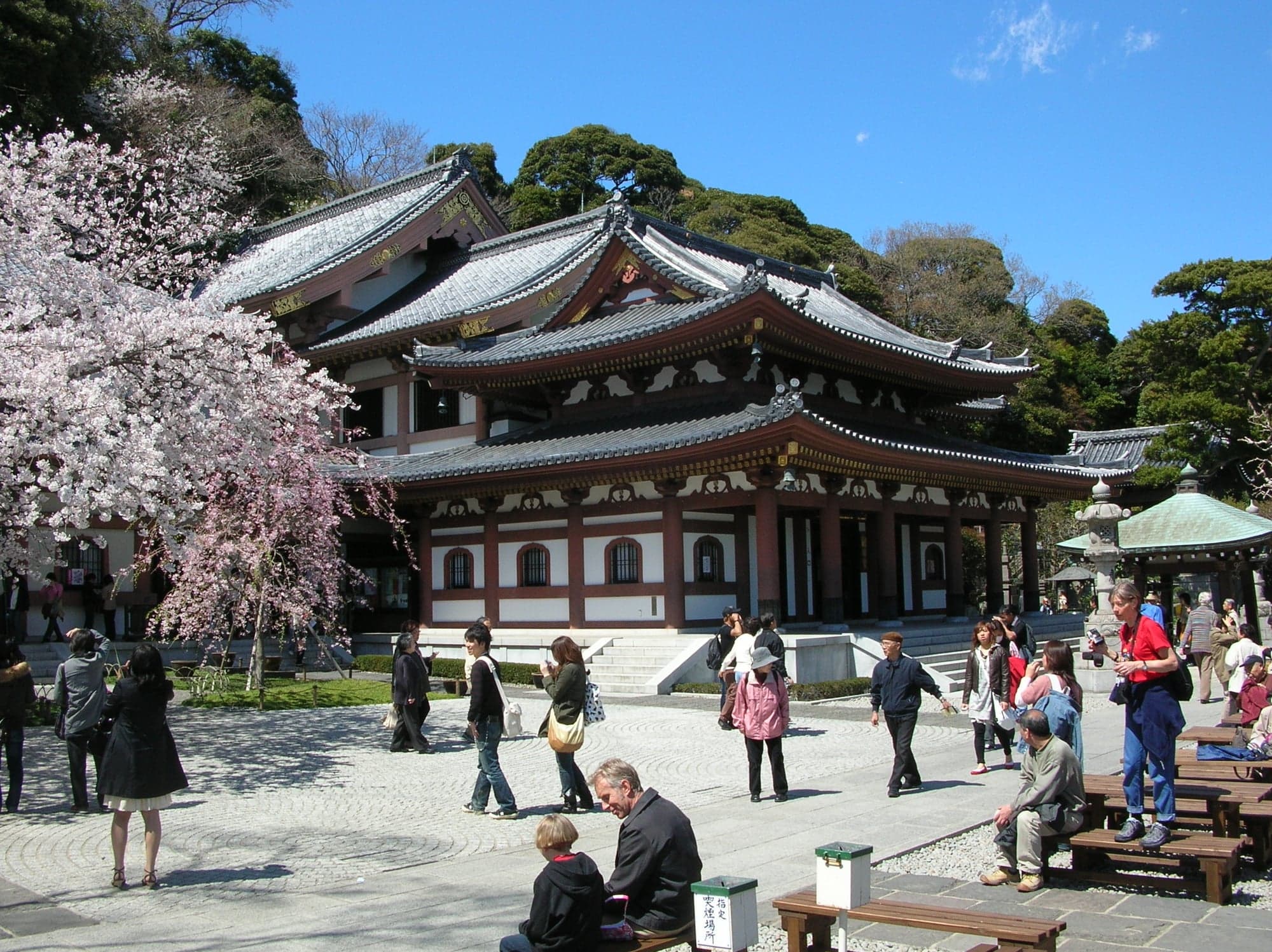
Hase-dera
TempleAncient Buddhist temple in Kamakura famous for its massive 9-meter gilded wooden statue of Kannon, the goddess of mercy. Founded in 736, it features beautiful gardens, ocean views, and thousands of small Jizo statues honoring children.
Frequently Asked Questions
How many temples and shrines are in Kamakura?
What is the best way to visit temples in Kamakura?
Can I collect goshuin at all temples in Kamakura?
What is the most famous temple in Kamakura?
How much does it cost to collect goshuin in Kamakura?
Plan Your Kamakura Temple Journey
Get detailed information, offline maps, goshuin collection tracking, and personalized recommendations for your visit to Kamakura.