
A Guide to Shrines and Temples
Spot the difference between Shinto shrines and Buddhist temples with tips on torii, statues, prayer etiquette, and Japan’s blended spirituality.
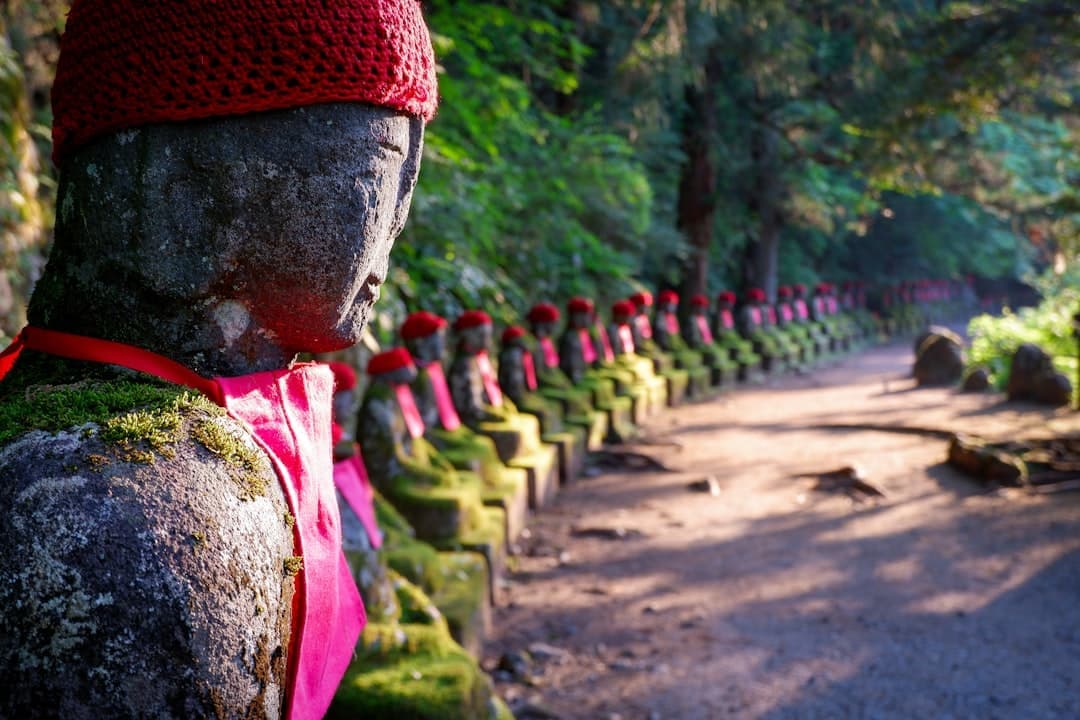
Japan has a unique spiritual landscape where two religions—Shinto and Buddhism—have coexisted for over a thousand years. As you explore the country, you'll encounter both Shinto shrines and Buddhist temples, often side by side. Knowing the difference will deepen your appreciation of the places you visit.
Two Religions, One Culture
Most Japanese people don't see Shinto and Buddhism as competing faiths. Instead, they draw from both traditions throughout their lives. A family might celebrate a child's birth at a Shinto shrine, hold a wedding ceremony in either tradition, and conduct funerals at a Buddhist temple. This blending of practices is a distinctive feature of Japanese spirituality.
Shinto: Japan's Native Tradition
Shinto has no founder, no central scripture, and no strict doctrine. It emerged organically from ancient Japanese beliefs about the natural world. At its heart is the concept of kami—spirits or divine forces that inhabit natural phenomena like mountains, rivers, waterfalls, rocks, and trees. Even certain animals and ancestors can be considered kami.
Shinto focuses on ritual purity, harmony with nature, and community celebration. Festivals (matsuri) play a central role, honoring local kami and marking seasonal transitions. When you see a large tree wrapped with a sacred rope (shimenawa), it indicates a dwelling place of kami—these natural features are venerated rather than worshipped in a Western sense.
Buddhism: The Imported Path
Buddhism arrived in Japan from China and Korea around the 6th century CE. Founded on the teachings of Siddhartha Gautama (the Buddha), it offers a philosophical framework centered on ending suffering through wisdom and meditation. Core concepts include the cycle of rebirth, karma, and the pursuit of enlightenment—a state of liberation from worldly attachments.
Japanese Buddhism developed numerous schools and sects over the centuries, each with different practices and emphases. Some focus on meditation, others on chanting sutras, and others on devotion to particular Buddhas or bodhisattvas (enlightened beings who help others).
Spotting the Difference
Recognizing whether you're at a shrine or temple becomes easy once you know what to look for.
Shinto shrines are marked by torii gates—distinctive structures with two vertical pillars and horizontal beams, often painted vermillion. These gates mark the transition from the everyday world into sacred space. Shrine architecture tends toward natural wood, clean lines, and integration with the surrounding landscape. You'll find a water pavilion (temizuya) for purification, and the main hall houses a sacred object representing the kami rather than a visible statue.
Buddhist temples typically feature more elaborate architecture with curved, tiled roofs and decorative elements. Statues of Buddha, bodhisattvas, or guardian figures are prominently displayed. Incense smoke drifts through the air, and you may hear bells or chanting. If you see a pagoda—a multi-tiered tower—you're definitely at a Buddhist temple. Many temples also have graveyards on their grounds, as Buddhism traditionally handles funeral rites in Japan.
Different Ways to Pray
The prayer rituals differ between the two traditions.
At Shinto shrines, the standard sequence is: bow twice, clap twice, pray silently with hands together, then bow once more. The clapping is meant to attract the attention of the kami. This pattern is called nirei nihakushu ichirei.
At Buddhist temples, you simply bow, place your hands together in prayer, and bow again. Clapping is not part of Buddhist practice—this is the most important distinction to remember. Some temples also have incense burners where you can waft smoke over yourself for purification.
Why This Matters
Understanding these traditions transforms sightseeing into something more meaningful. The torii gate becomes a threshold between worlds. The Buddha statue represents centuries of artistic and spiritual devotion. The quiet garden was designed to encourage contemplation.
As you travel through Japan, you'll move between these two spiritual worlds constantly—sometimes within the same temple complex, where small Shinto shrines sit alongside Buddhist halls. This seamless blending reflects how the Japanese relate to their spiritual heritage: practical, inclusive, and deeply woven into daily life.
Get Started
Begin Your Cultural Adventure Today
Download Goshuin Atlas from the App Store and unlock a deeper, more meaningful way to experience Japan's rich cultural heritage.

Requires iOS 18.6 or later. iPhone only. iPad, Mac, and Vision OS coming soon.
Newsletter
stay updated
Get updates about new features and temple discoveries.