
What is Goshuin? Complete Guide to Japanese Sacred Stamps & Collecting
What is goshuin? Learn everything about Japanese sacred stamps—their meaning, history, types, etiquette, and how to collect them at temples and shrines. Complete beginner guide.
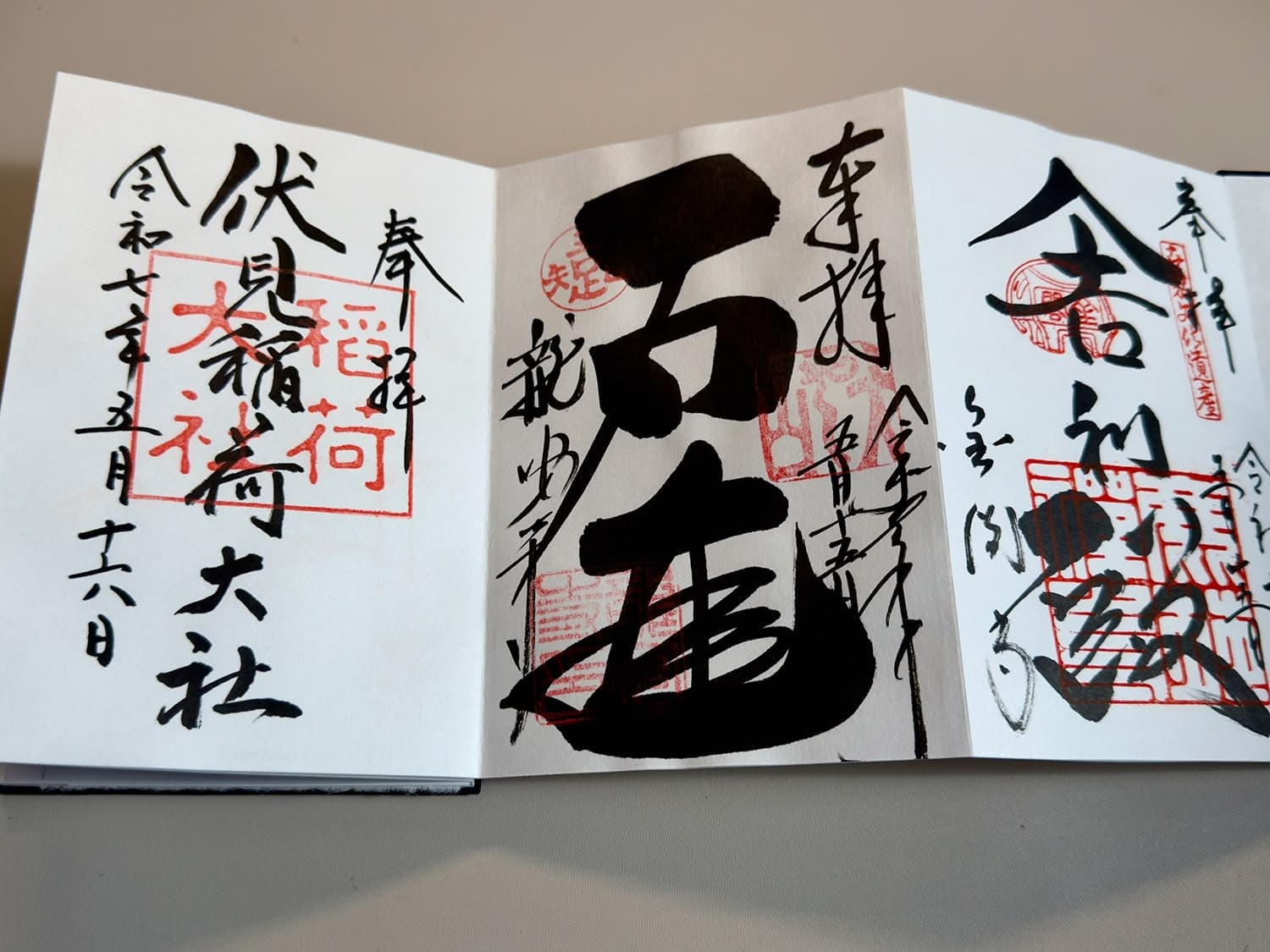
When visiting temples and shrines in Japan, you'll often notice visitors holding small decorative books and waiting at counters while staff write inside with brushes. They're collecting goshuin—sacred stamps that serve as beautiful mementos of worship and travel.
What is Goshuin? Quick Answer
A goshuin (御朱印) is a sacred stamp or seal that you receive when visiting Buddhist temples and Shinto shrines in Japan. Each goshuin combines vermillion seal stamps with hand-brushed black ink calligraphy, creating a unique piece of art that serves as proof of your worship and a meaningful record of your spiritual journey.
Goshuin at a Glance
- What
- Sacred stamps from temples/shrines
- Components
- Red seal + black calligraphy
- Cost
- ¥300-500 per stamp
- Book needed
- Goshuincho (special stamp book)
- Who can collect
- Anyone who visits and prays
- Meaning
- Proof of worship, spiritual record
Understanding Goshuin
A goshuin (御朱印) combines vermillion seal stamps with hand-brushed black ink calligraphy. The name means "honorable red seal": go (御) is honorific, shu (朱) means vermillion, and in (印) means seal. Each goshuin typically includes the temple or shrine name, the date of your visit, and often a prayer or blessing.
The tradition originated over 1,300 years ago during the Nara Period, when Buddhist pilgrims would hand-copy sutras as devotional offerings and receive stamps as proof of their dedication. By the Edo Period (1603-1868), temples began accepting monetary donations instead, and Shinto shrines adopted the practice too. Today, anyone can receive a goshuin as a meaningful record of their spiritual journey.
What makes each goshuin special is that it's handmade on the spot, just for you. Even visiting the same location twice will yield slightly different brush strokes—your collection becomes truly one-of-a-kind.
Goshuin vs Regular Stamps: What's the Difference?
Many first-time visitors to Japan wonder: are goshuin just tourist stamps?
No—goshuin are much more than stamps:
- NOT tourist collectibles: Goshuin are sacred objects requiring respectful handling
- Handmade: Each goshuin is hand-brushed while you wait, making every one unique
- Proof of worship: You must pray before receiving one
- Traditional art: 1,300+ year tradition combining calligraphy and seal stamping
Think of goshuin more like a blessing or spiritual certificate than a passport stamp. They're closer to pilgrimage stamps from Europe's Camino de Santiago, but uniquely Japanese in their artistic execution.
The Goshuincho (Stamp Book)
Before collecting goshuin, you'll need a goshuincho (御朱印帳)—a special book with high-quality washi paper designed to handle brush ink without bleeding. Most use an accordion-fold style that allows you to display your entire collection when opened.
You can purchase a goshuincho at most temples, shrines, or stationery shops for ¥1,000–2,500. Buying one at a sacred site is particularly meaningful, as designs often reflect local imagery and your first goshuin is usually included. Keep in mind that a goshuincho should only be used for sacred stamps—mixing in tourist stamps from train stations or attractions is considered disrespectful.
Learn more: Complete goshuincho buying and care guide
Types of Goshuin
By Method
Jikikaki (直書き) refers to goshuin written directly into your book while you wait. This is the traditional method, and you can watch the calligrapher create your unique stamp.
Kakioki (書き置き) are pre-prepared on loose sheets of washi paper. Staff typically add only the date. These are common during busy periods and often feature more elaborate designs. You can paste them into your goshuincho later using a glue stick.
By Style
Standard Goshuin feature the classic combination of red stamps and black calligraphy on white or cream paper. These are available year-round at most locations.
Seasonal and Limited-Edition Goshuin are offered during specific times like New Year's, cherry blossom season, autumn foliage, or local festivals. They often incorporate colorful inks, gold or silver accents, and imagery matching the season—cherry blossoms in spring, maple leaves in autumn, or zodiac animals for the new year. Discover the complete seasonal goshuin calendar.
Kirie Goshuin (切り絵) feature intricate paper-cut designs layered over the calligraphy. These delicate artworks often depict temple architecture, deities, or seasonal motifs cut from colored paper. They've become increasingly popular and are usually offered as kakioki.
Embroidered Goshuin (刺繍御朱印) are stitched onto fabric rather than written on paper. These luxurious goshuin feature threaded designs of deities, temple symbols, or seasonal imagery. They're rarer and typically more expensive, but make stunning additions to a collection.
Illustrated Goshuin include hand-drawn or stamped artwork alongside the traditional calligraphy—images of the temple's principal Buddha, shrine animals (like foxes at Inari shrines), or scenic elements of the grounds.
Two-Page Goshuin span across both pages of an open goshuincho, allowing for larger, more dramatic designs. These are often limited editions and may cost more than standard goshuin.
Preparing to Receive a Goshuin
Goshuin are proof of worship, not collectible souvenirs. Always pray at the main hall before requesting one.
Purification (Temizu)
At the water pavilion near the entrance, cleanse yourself before worship. Hold the ladle in your right hand and pour water over your left hand, then switch and pour over your right. Next, pour water into your cupped left hand, rinse your mouth (never drink directly from the ladle), and spit discretely beside the basin. Finally, tilt the ladle vertically to rinse the handle for the next visitor.
Prayer Etiquette
At Shinto shrines, the pattern is: bow twice, clap twice, pray silently with hands together, bow once. This sequence is called nirei nihakushu ichirei.
At Buddhist temples, bow once, pray silently with hands together, and bow again. Never clap at temples—this is the key difference.
Receiving Your Goshuin
Look for signs reading 御朱印所 (Goshuin-sho) or 朱印所 (Shuin-sho), usually near where amulets are sold. Open your goshuincho to a blank page and hand it to the staff with a polite request: "Goshuin o onegai shimasu."
The customary offering is ¥300–500, though limited-edition and special designs may cost ¥1,000 or more. Have exact change ready, as most places only accept cash. The calligraphy takes a few minutes—during busy times, you may receive a number and return later.
When receiving your completed goshuincho, accept it with both hands and say "Arigatou gozaimasu."
Differences Between Shrines and Temples
Goshuin from Shinto shrines often include the word 奉拝 (houhai, "worship") and the name of the enshrined deity. The calligraphy tends toward clean, simple strokes with distinctive shrine symbols.
Buddhist temple goshuin frequently feature sutras, mantras, or the name of the principal Buddha or bodhisattva. Designs are often more elaborate, sometimes including imagery of sacred figures.
While most locations accept goshuincho containing both shrine and temple stamps, some stricter places prefer separation. If concerned, consider keeping two books.
Pilgrimage Routes
Japan has traditional pilgrimage circuits with dedicated goshuincho. The Shikoku 88 Temple Pilgrimage covers 1,200 kilometers around the island. The Saigoku 33 Kannon Pilgrimage spans temples across the Kansai region. Many cities also have Seven Lucky Gods pilgrimages visiting temples dedicated to the seven deities of good fortune. Completing these routes is considered a significant spiritual achievement. Plan your Tokyo goshuin route.
Etiquette Summary
Always pray before requesting a goshuin. Use one page per goshuin (unless it's a two-page design) and never write in your goshuincho yourself. Don't ask calligraphers to replicate designs from photos or alter their style. Avoid photographing staff while they work unless given permission. Let the ink dry before closing your book, and store your goshuincho respectfully at home.
Frequently Asked Questions
What is goshuin in English?
Goshuin (御朱印) translates to "honorable red seal" or "sacred stamp." The name combines go (御, honorific), shu (朱, vermillion), and in (印, seal).
Are goshuin free?
No, goshuin typically cost ¥300-500, though special or seasonal designs may cost ¥1,000 or more. The fee supports temple maintenance and the calligrapher's work.
Can foreigners get goshuin?
Yes! Goshuin are available to anyone regardless of nationality or religion, as long as you visit respectfully and pray before requesting one.
Do I need to speak Japanese?
No. Simply say "Goshuin onegaishimasu" (goshuin please) and present your goshuincho opened to a blank page. Temple staff are used to international visitors.
What if my goshuincho gets full?
Start a new book! Filled goshuincho are treasured keepsakes. Many collectors have multiple completed books documenting different periods of their lives.
Can I take photos of goshuin?
Yes, photos of your own collected goshuin are fine. However, avoid photographing calligraphers at work unless given permission, as this can be considered disrespectful.
Can I mix temple and shrine goshuin in the same book?
Yes, most modern collectors do this without issue. While some stricter locations historically preferred separation, this is increasingly uncommon.
Final Thoughts
Goshuin collecting offers a meaningful way to engage with Japan's spiritual heritage. Each stamp documents not just a place you visited, but a moment of connection with centuries of tradition. Take your time at each location, appreciate the artistry, and let your collection grow naturally as you explore Japan's sacred sites.
Ready to start your collection? Download Goshuin Atlas for iOS to discover temples, track your goshuin digitally, and plan the perfect spiritual route through Japan. Explore our complete goshuincho buying guide, Tokyo 2-day goshuin route, and seasonal goshuin calendar to make the most of your collecting journey.
Get Started
Begin Your Cultural Adventure Today
Download Goshuin Atlas from the App Store and unlock a deeper, more meaningful way to experience Japan's rich cultural heritage.

Requires iOS 18.6 or later. iPhone only. iPad, Mac, and Vision OS coming soon.
Newsletter
stay updated
Get updates about new features and temple discoveries.