
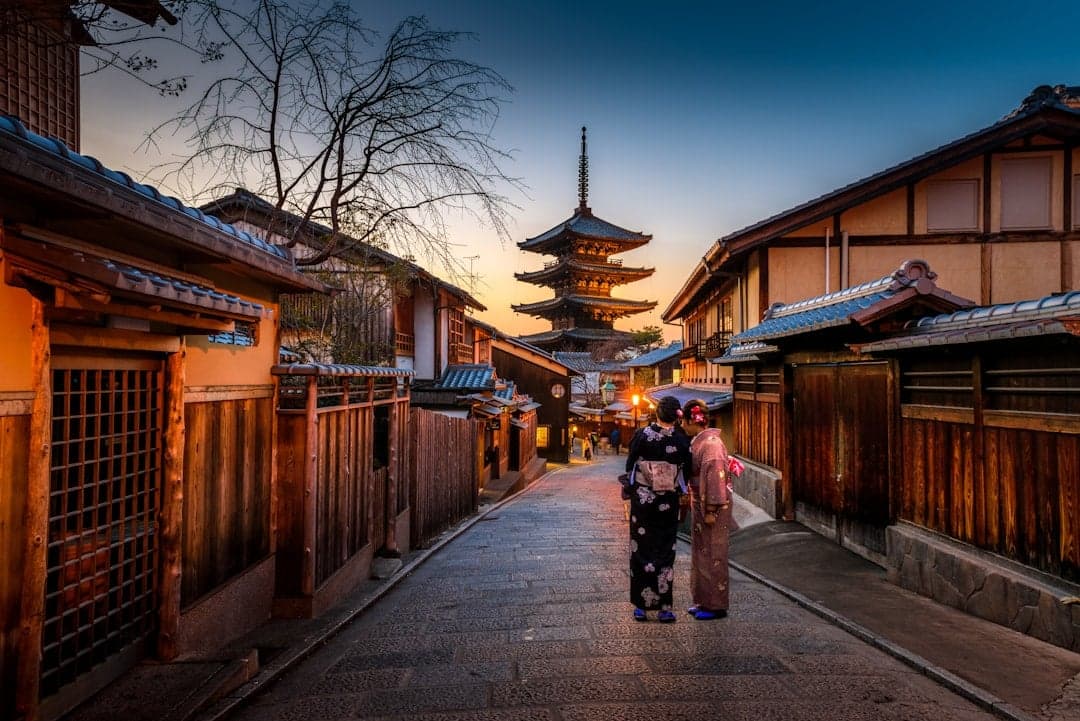
Kyoto
Kyoto is a city in Kyoto Prefecture in the Kansai region of central Honshu. It is Japan's former imperial capital.
Goshuin Atlas로 Kyoto 탐색
앱을 다운로드하여 Kyoto의 모든 사원과 신사를 발견하고, 고슈인 스탬프를 수집하며, 오프라인 지도와 실시간 정보로 문화 여정을 계획하세요.

Kyoto의 사원 및 신사
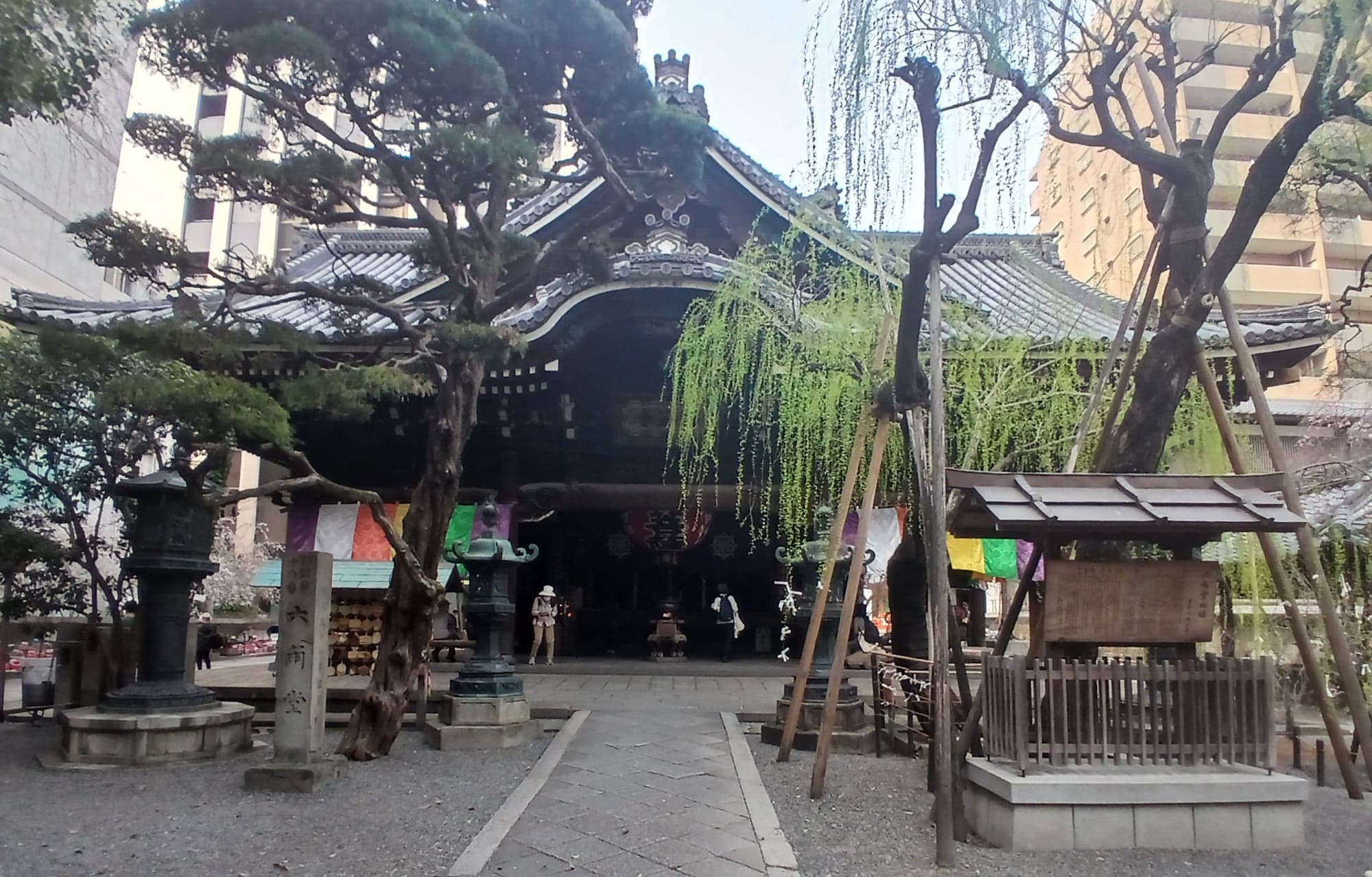
Choho-ji
불교 사원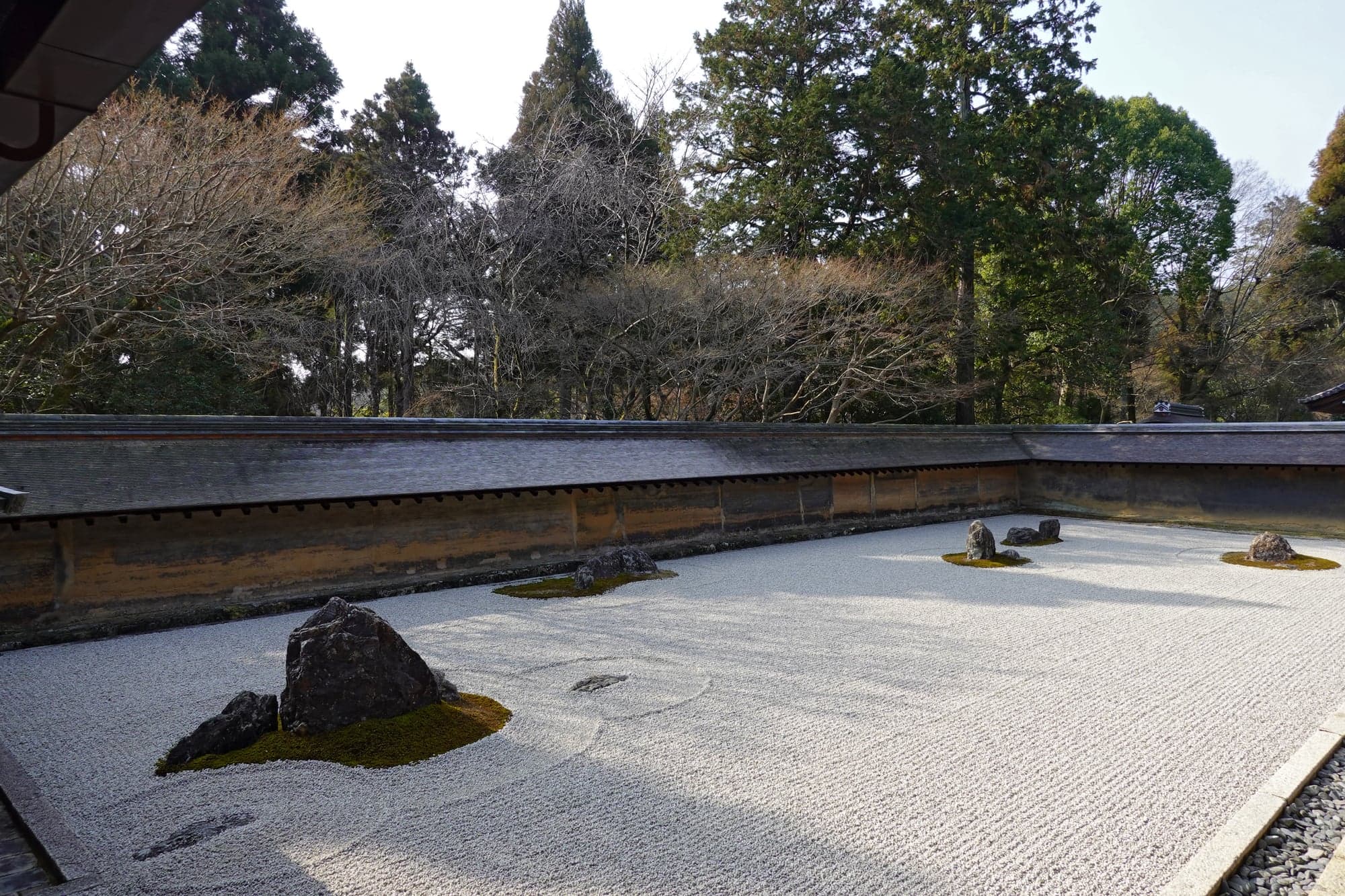
Ryoan-ji
불교 사원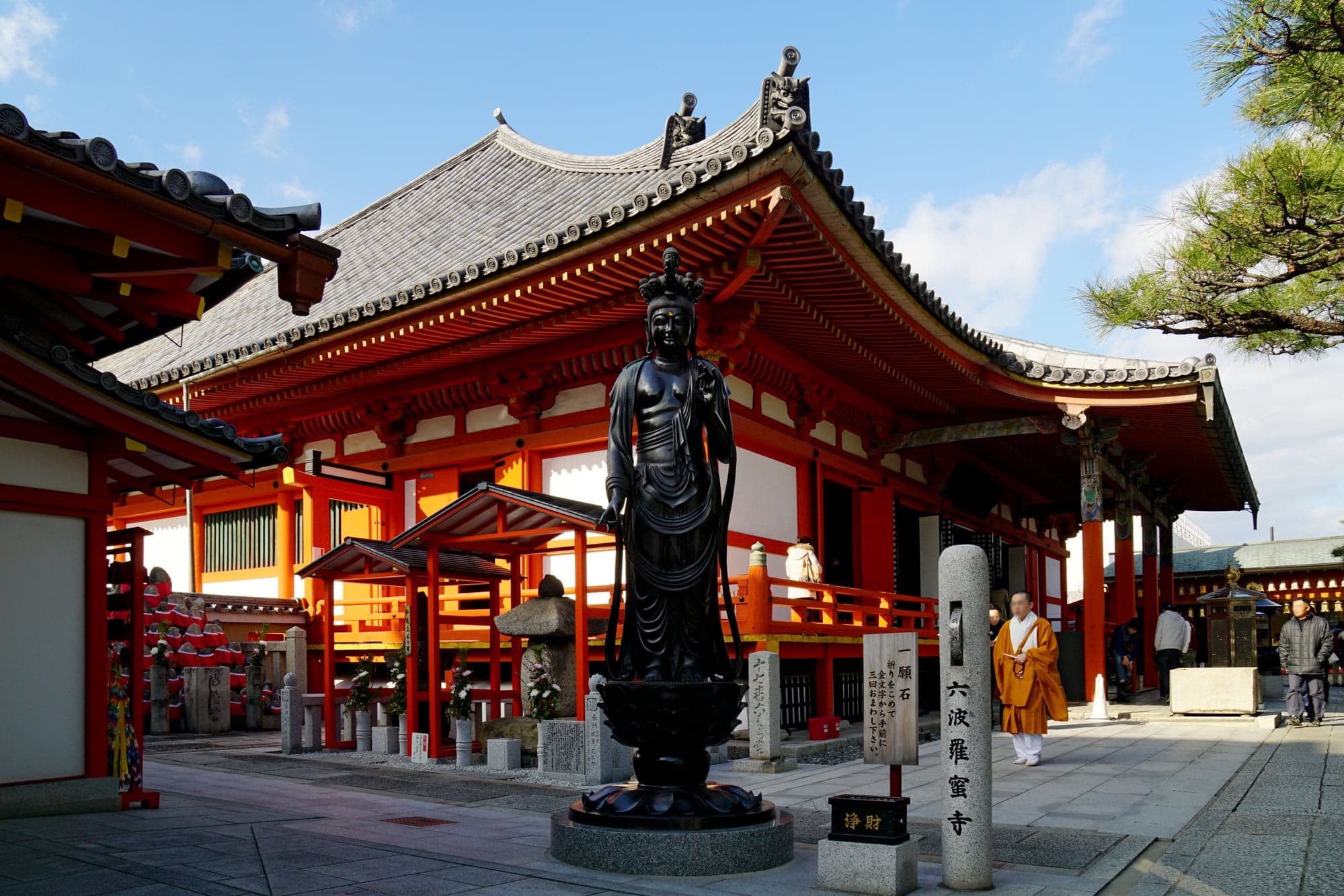
Rokuharamitsu-ji
불교 사원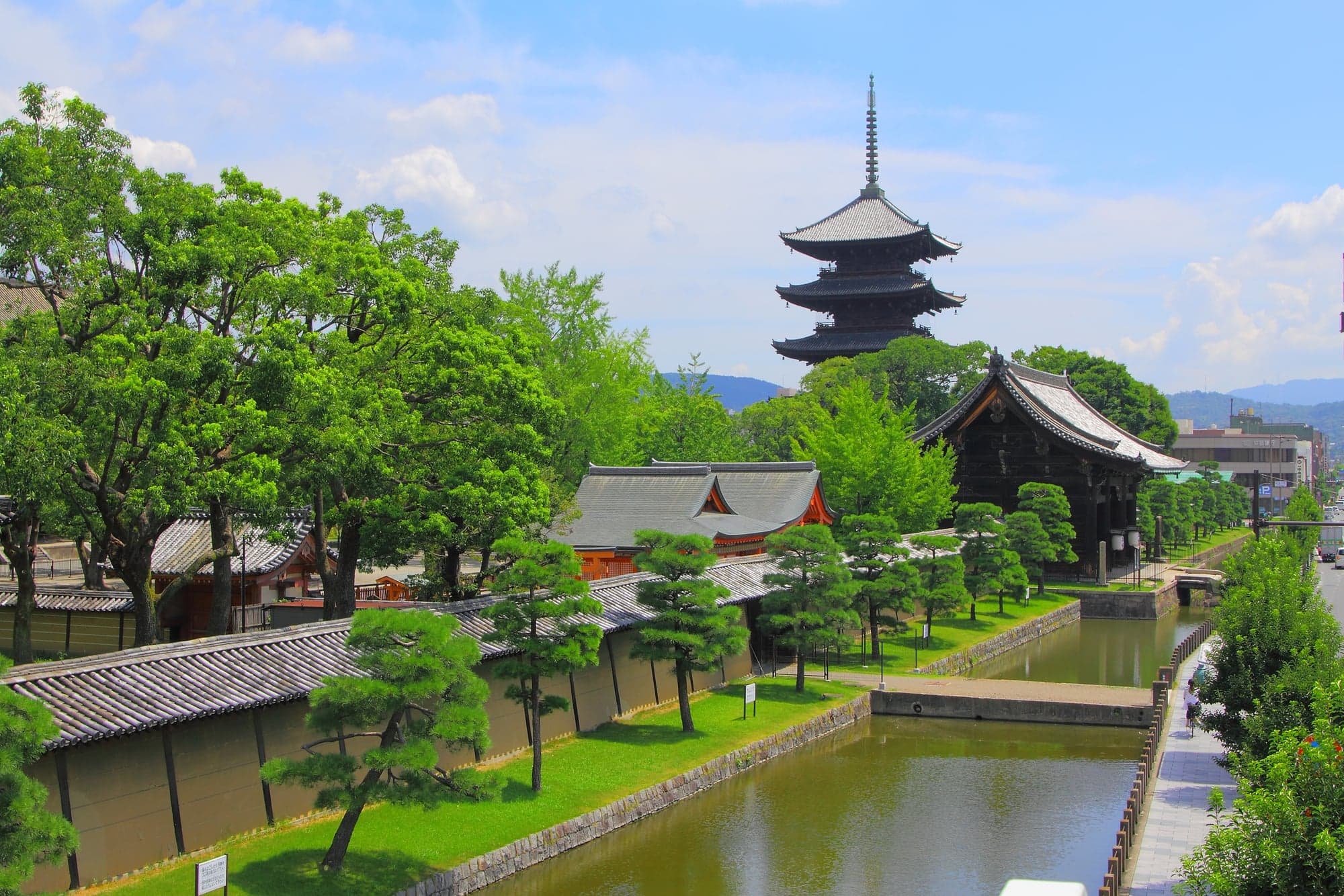
To-ji
불교 사원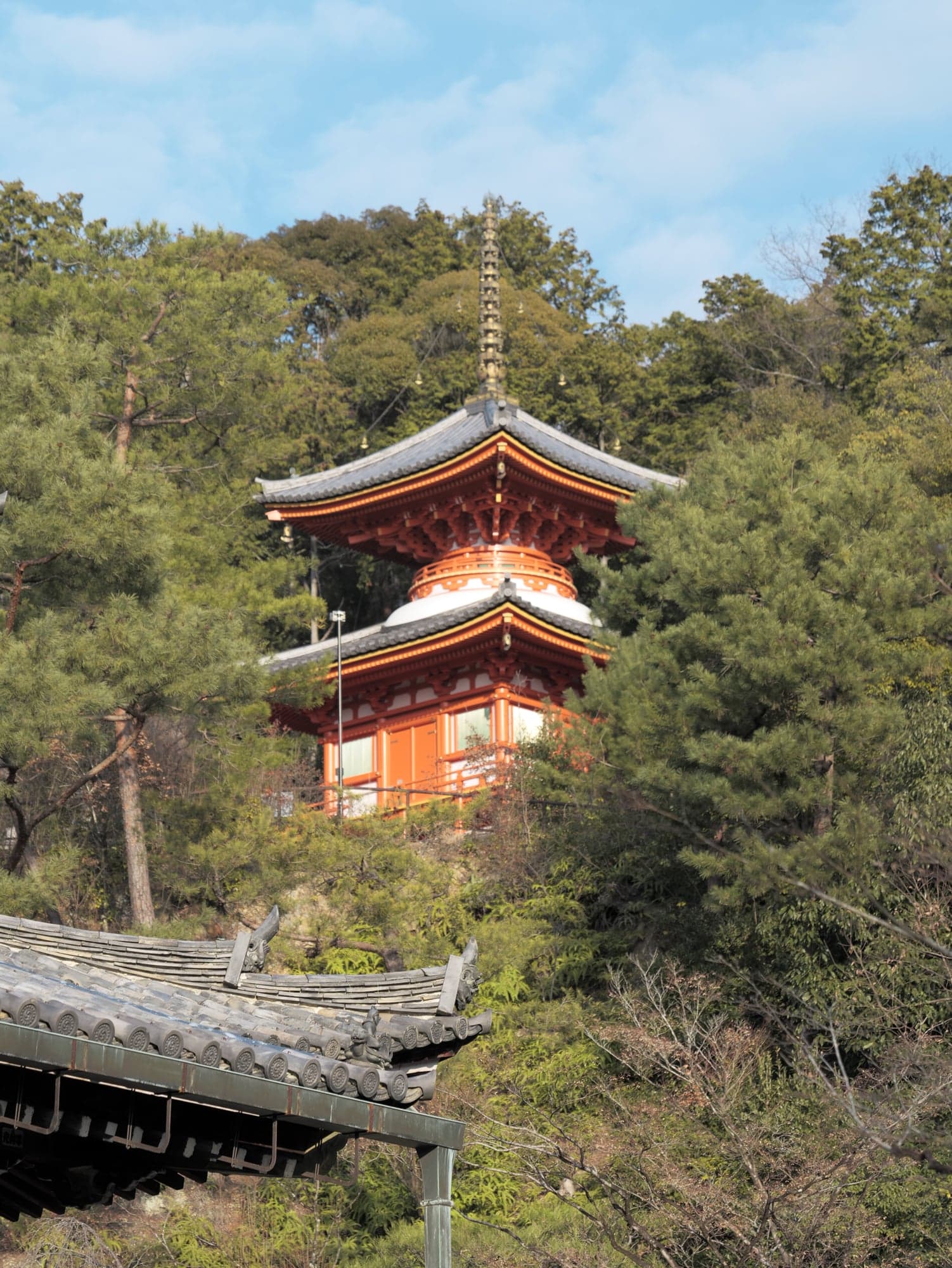
Imakumano Kannon-ji
불교 사원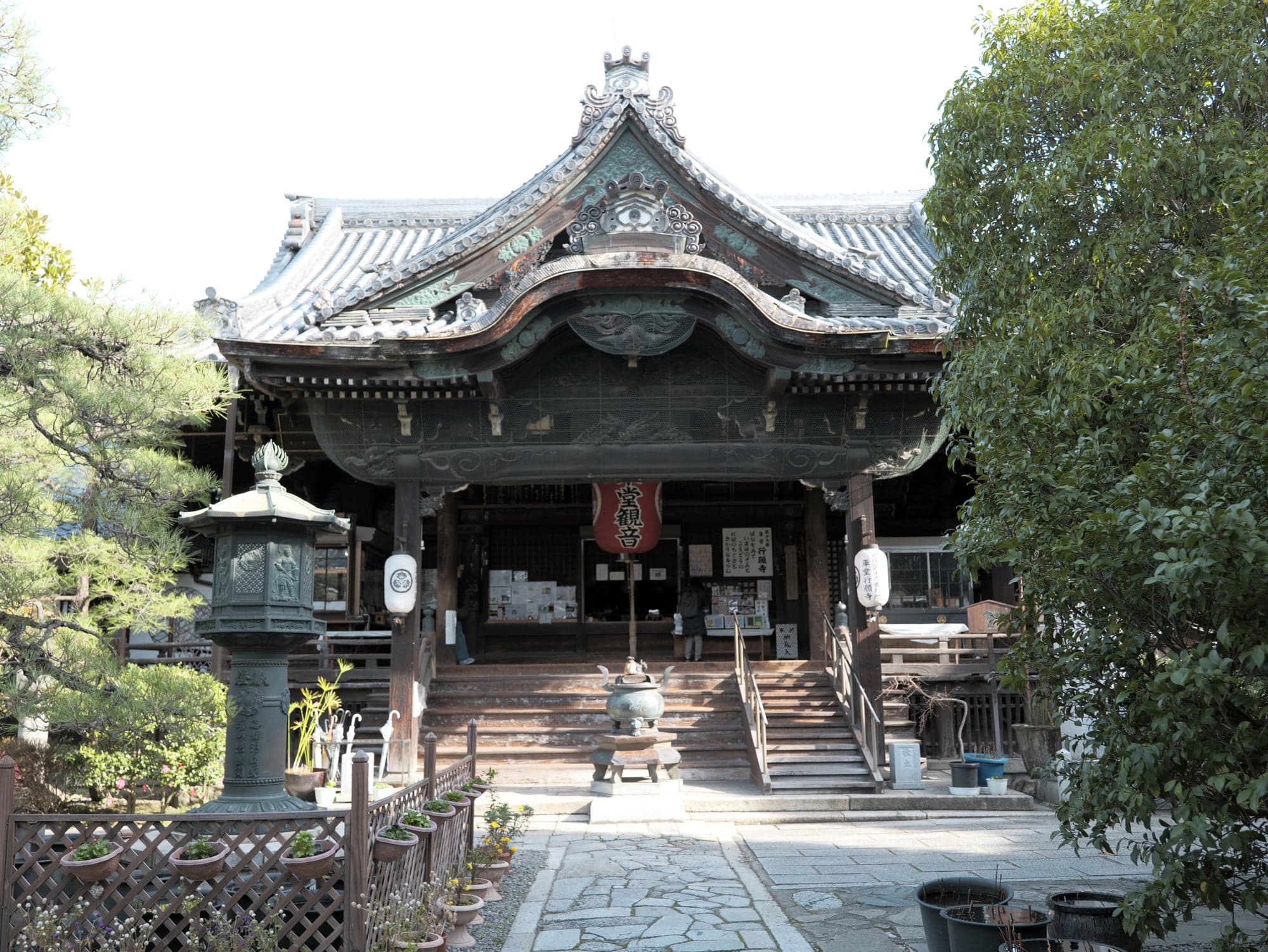
Gyogan-ji
불교 사원Historic Tendai Buddhist temple in central Kyoto, known for its connection to the Saigoku Kannon Pilgrimage. Features traditional architecture and serves as an important place of worship with a peaceful atmosphere in the heart of the city.
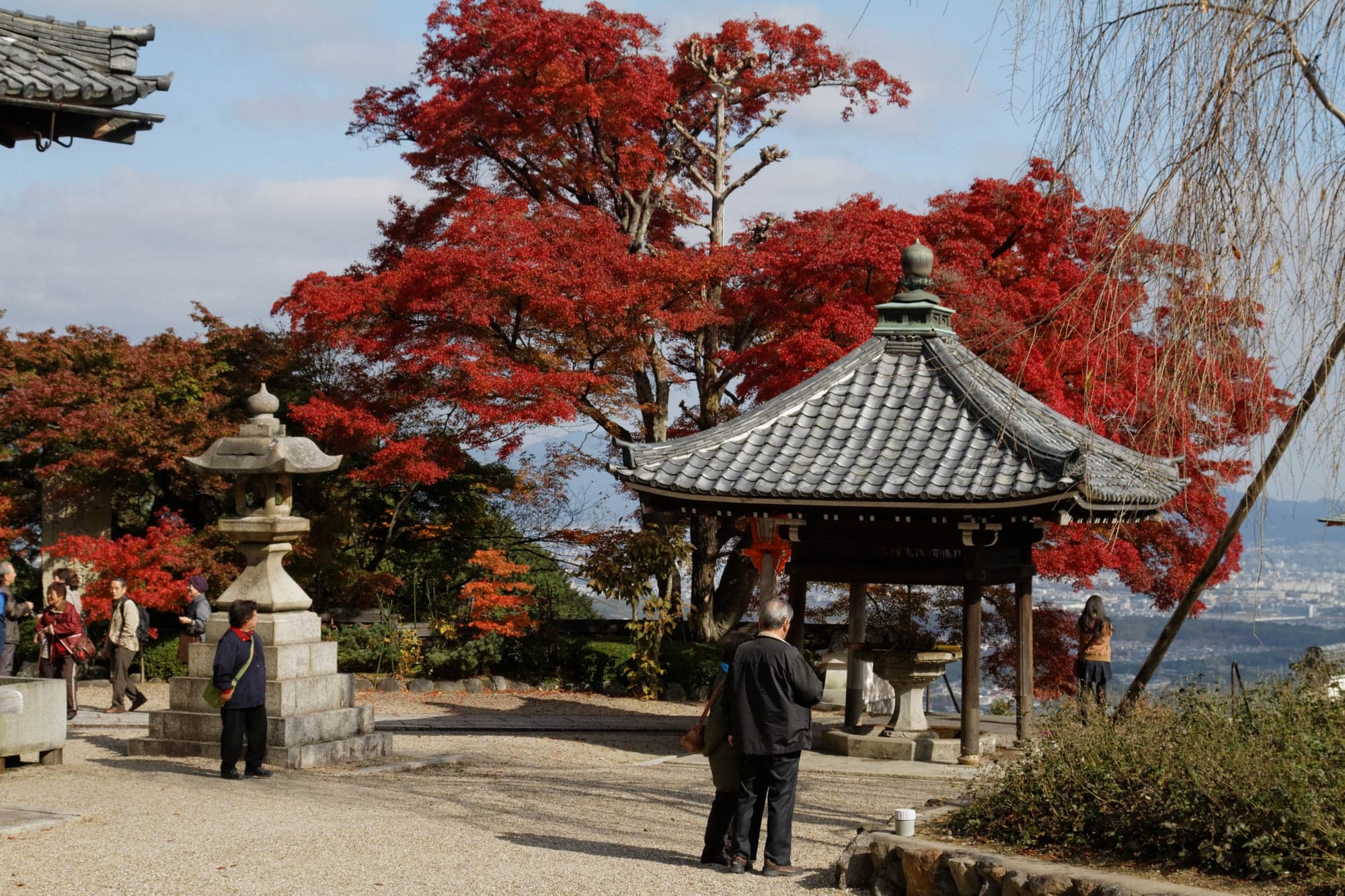
Yoshimine-dera
불교 사원As a Tendai Buddhist temple situated on the mountainside in Nishikyo, Kyoto, Yoshimine‑dera traces its history back to 1029 when the monk Gensan from Enryaku‑ji carved an eleven‑faced Kannon statue and built a small chapel here. Over the centuries the temple gained imperial patronage, receiving additional buildings and another Kannon statue and becoming the 20th temple on the Saigoku Kannon Pilgrimage. Though much of the complex was destroyed during the 15th‑century Ōnin War, it was rebuilt in the Edo period. Today Yoshimine‑dera is known for its terraced grounds with numerous halls, its famous “Gliding Dragon” pine tree trained to grow horizontally, and seasonal flowers such as hydrangeas and autumn maples.
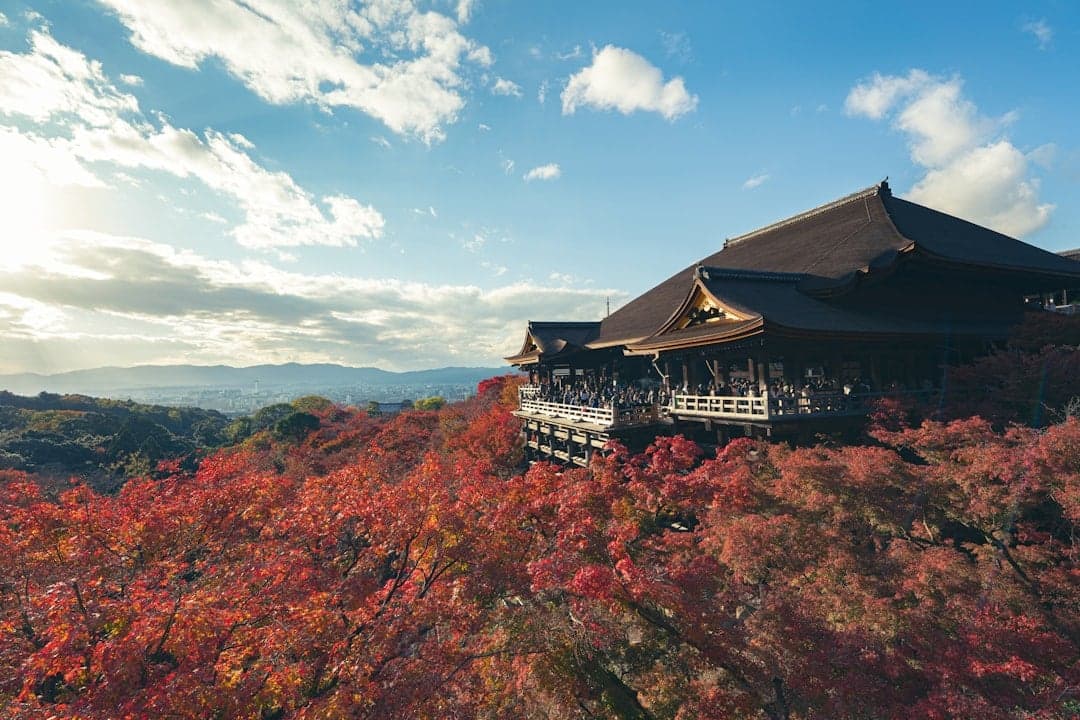
Kiyomizu-dera
불교 사원Perched on the eastern hills of Kyoto, Kiyomizu-dera Temple has been a symbol of Buddhist devotion for over twelve centuries. Founded in 778 CE by the priest Enchin, this temple is dedicated to Kannon, the bodhisattva of compassion and mercy, and is part of the Hosso sect.

Gokonomiya
신토 신사Gokōnomiya Shrine in Fushimi Ward is renowned for its sacred spring water, believed to have healing properties. This historic Shinto shrine features beautiful architecture and is particularly popular during cherry blossom season and autumn festivals.
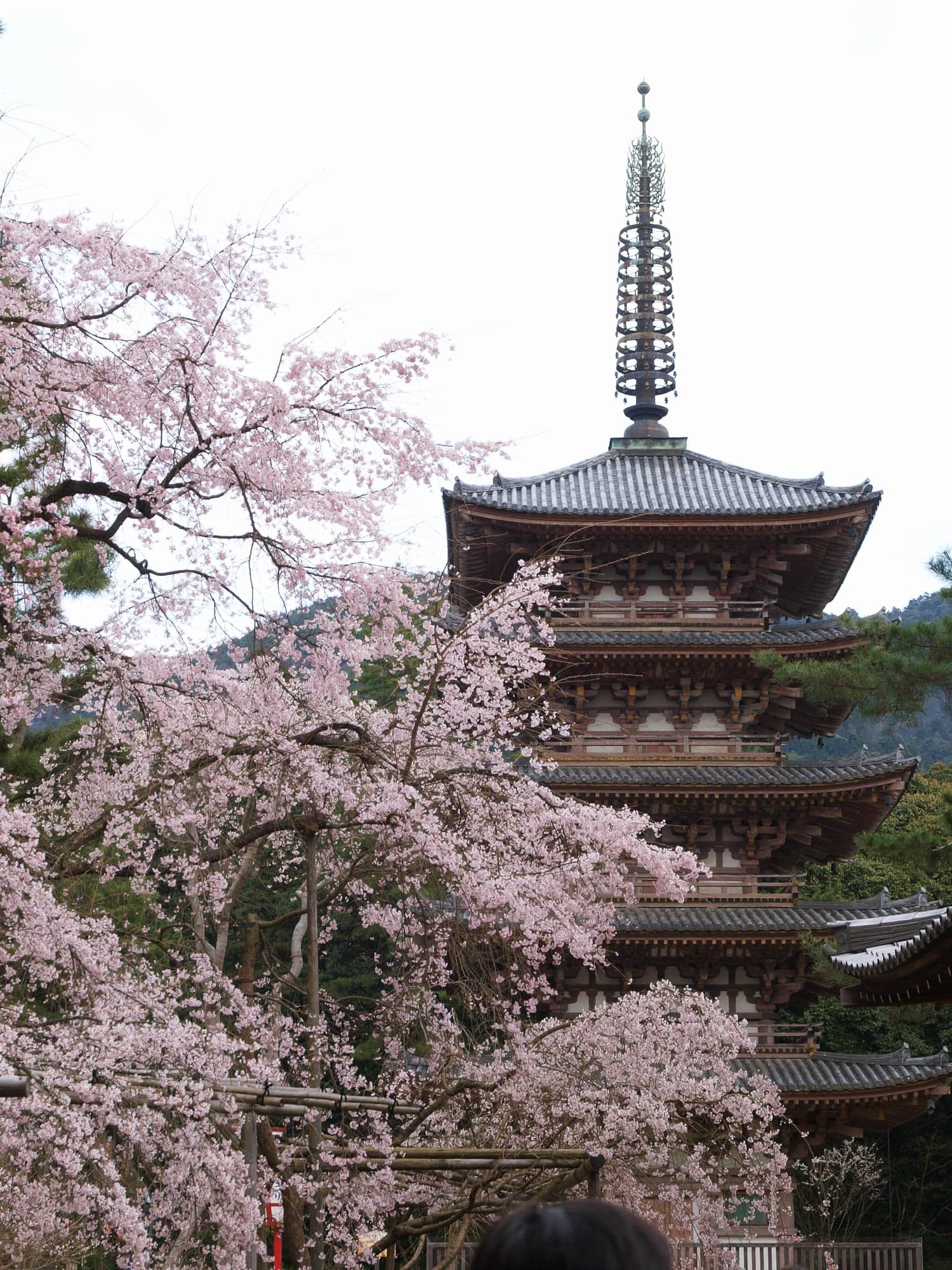
Daigo-ji
불교 사원Daigo-ji is a Buddhist temple located in Fushimi-ku, Kyoto, Japan. It is the head temple of the Shingon-shū Daigo-ha sect of Japanese Buddhism and its honzon is a hibutsu statue of Yakushi Nyorai. The temple's full name is Kasatori-yama Daigo-ji.
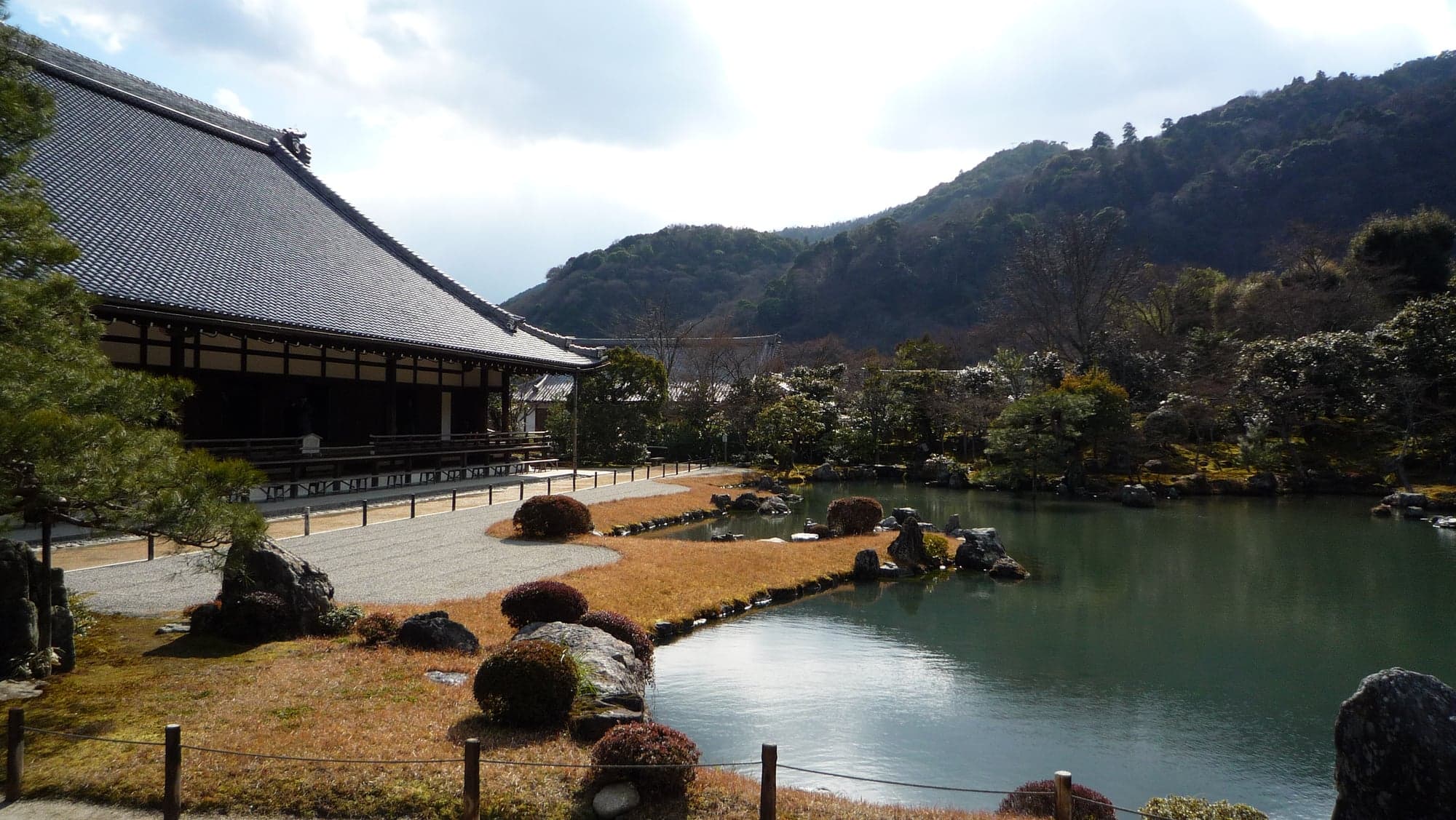
Tenryu-ji
불교 사원Tenryū-ji, in Susukinobaba-chō, Ukyō Ward, Kyoto, is the head temple of the Tenryū-ji branch of the Rinzai Zen sect. Founded by Ashikaga Takauji in 1339 with Musō Soseki as first chief priest; construction finished in 1345.
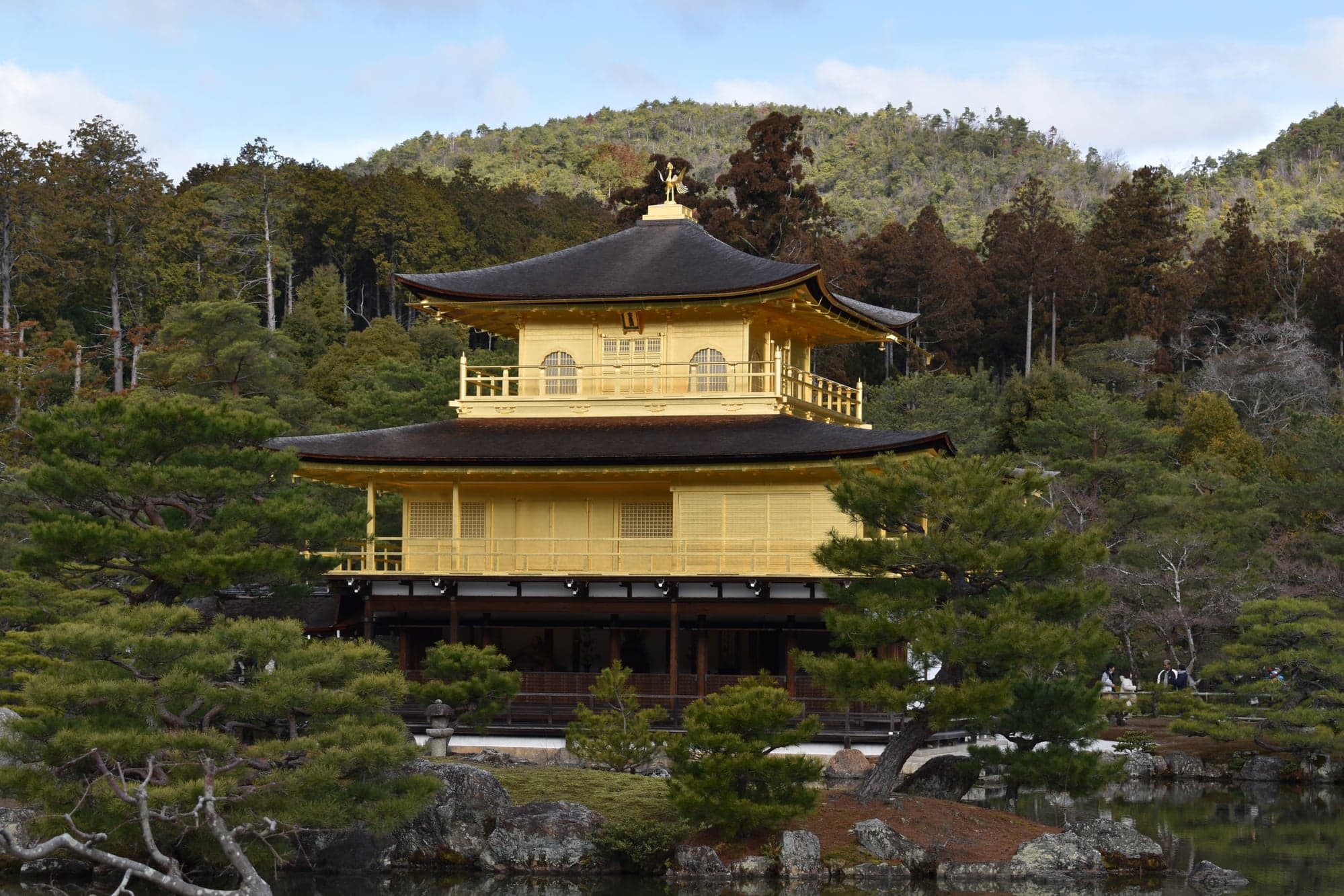
Kinkaku-ji
불교 사원Kinkaku-ji is a Zen Buddhist temple in Kyoto centered on the Golden Pavilion; it's part of the UNESCO World Heritage "Historic Monuments of Ancient Kyoto". The original burned; the current pavilion, with gold-leafed upper floors, was rebuilt in 1955.
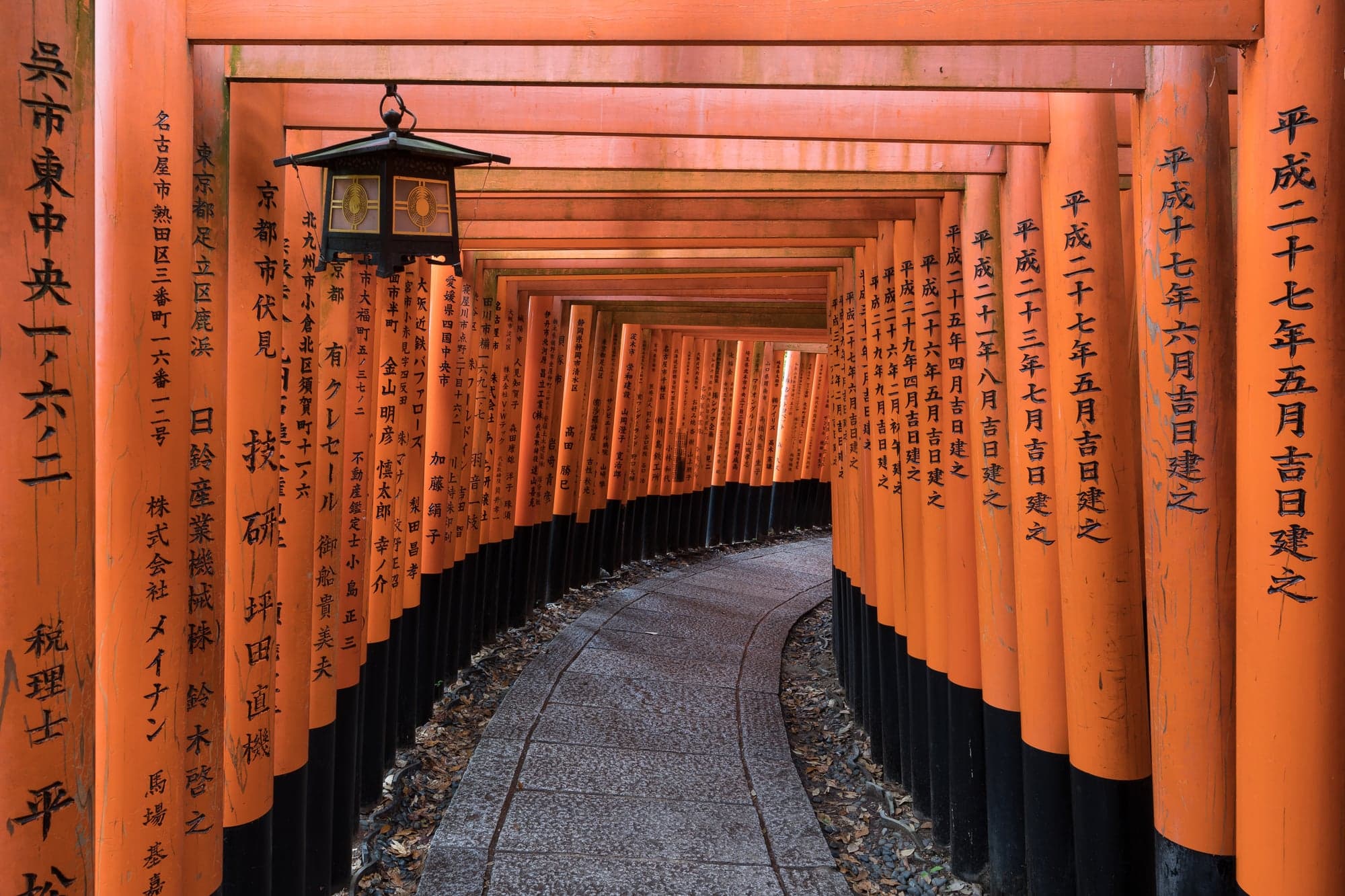
Fushimi Inari Taisha
신토 신사Fushimi Inari Taisha, located in Kyoto, is the head shrine of Inari, the Shinto god of rice, agriculture, and prosperity. Established in 711 AD, it is renowned for its thousands of vermilion torii gates that form pathways up Mount Inari.




Frequently Asked Questions
Kyoto에는 얼마나 많은 사원과 신사가 있나요?
Kyoto에서 어떤 종류의 고슈인을 수집할 수 있나요?
Kyoto의 사원과 신사는 방문객에게 개방되어 있나요?
고슈인 아틀라스를 사용하여 Kyoto을 탐험하는 방법은?
고슈인 아틀라스는 무료로 사용할 수 있나요?
Kyoto 사원 여정 계획하기
Kyoto 방문을 위한 상세 정보, 오프라인 지도, 고슈인 수집 추적 및 개인화된 추천을 받으세요.