Skip to content

도시

일본 전역의 도시를 탐색하여 사원과 신사를 발견하세요. 고슈인 수집 여정을 계획하고 일본의 문화 유산을 경험하세요.
98 도시
Asuka village in Japan - Temples and shrines guide

Asuka

village, Japan

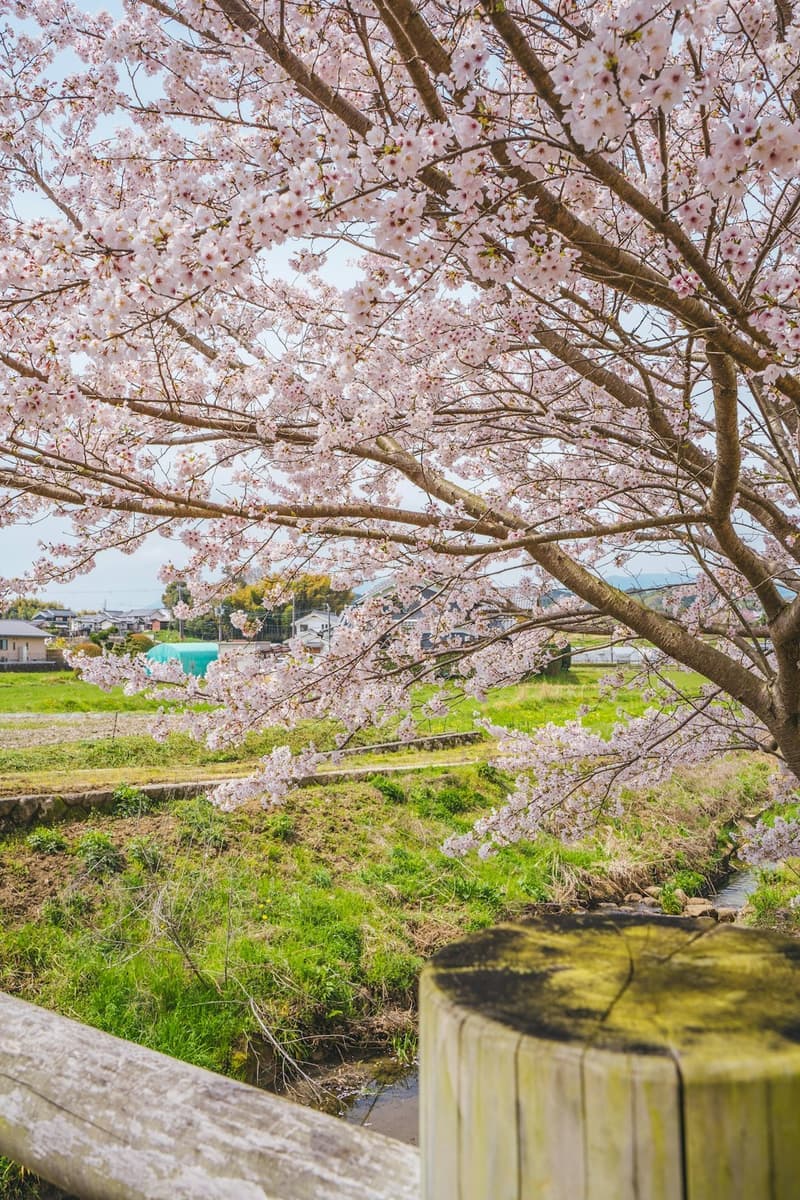
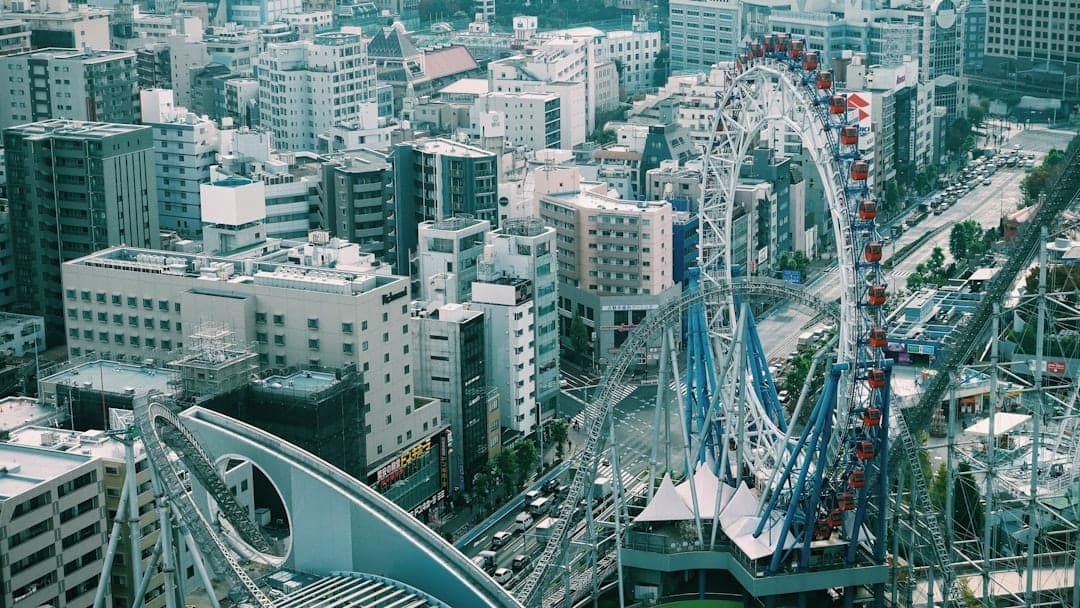
Asuka is a historic village in Nara Prefecture, central Kansai region. Known as the cradle of Japanese civilization, Asuka served as the imperial capital during the Asuka period (538-710 CE), marking the introduction of Buddhism to Japan. The village preserves an extraordinary concentration of archaeological treasures including Asuka-dera, Japan's oldest temple founded in 596, the mysterious Ishibutai Kofun megalithic tomb, ancient stone carvings, and the ruins of Asuka-itabuki Palace. Surrounded by scenic rice terraces and rolling hills, Asuka offers visitors a rare glimpse into Japan's formative years, with numerous historical sites clustered within walking and cycling distance. The area is particularly noted for its spring cherry blossoms and autumn colors.
View details
Fujiidera city in Japan - Temples and shrines guide

Fujiidera

city, Japan

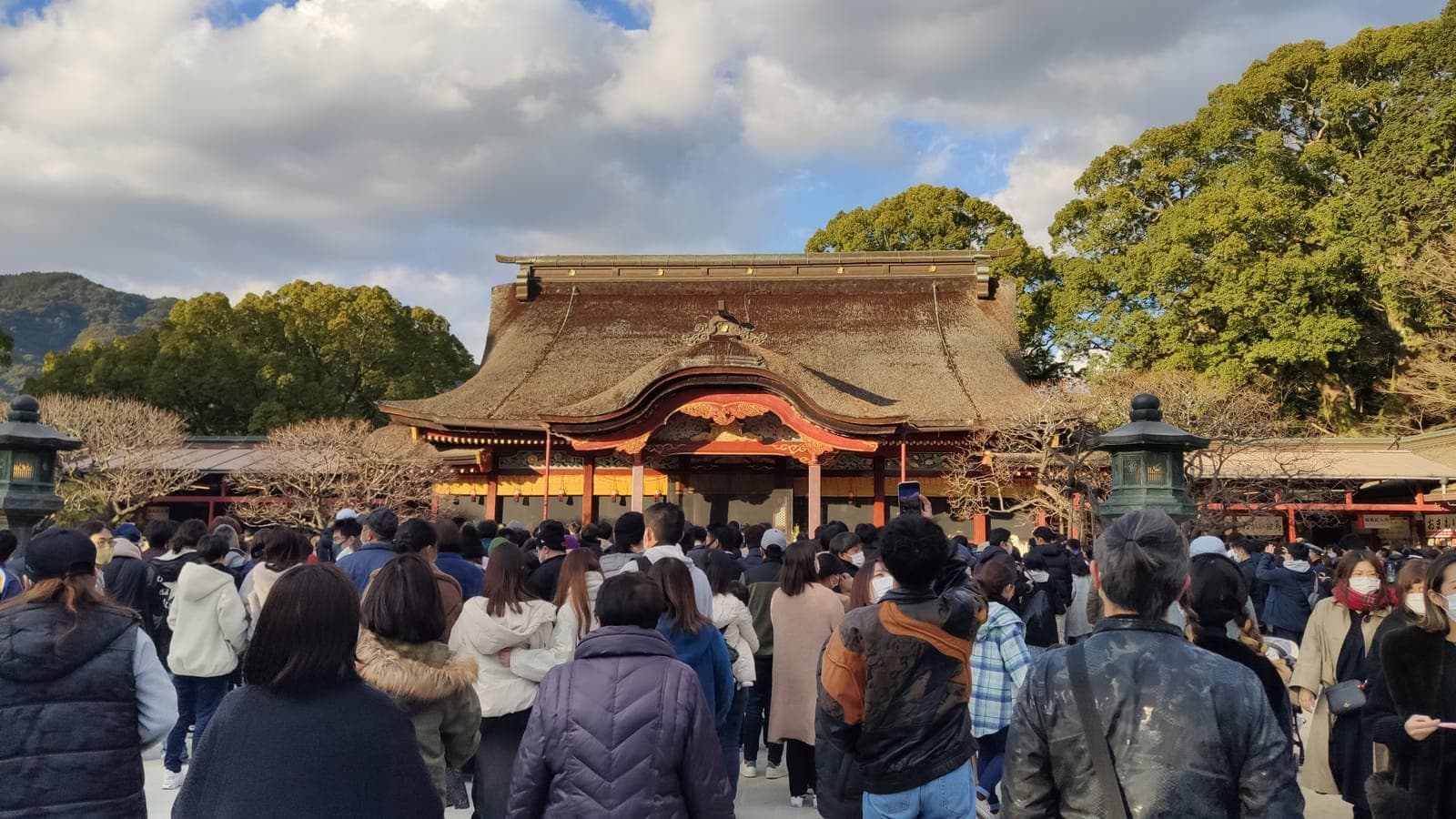
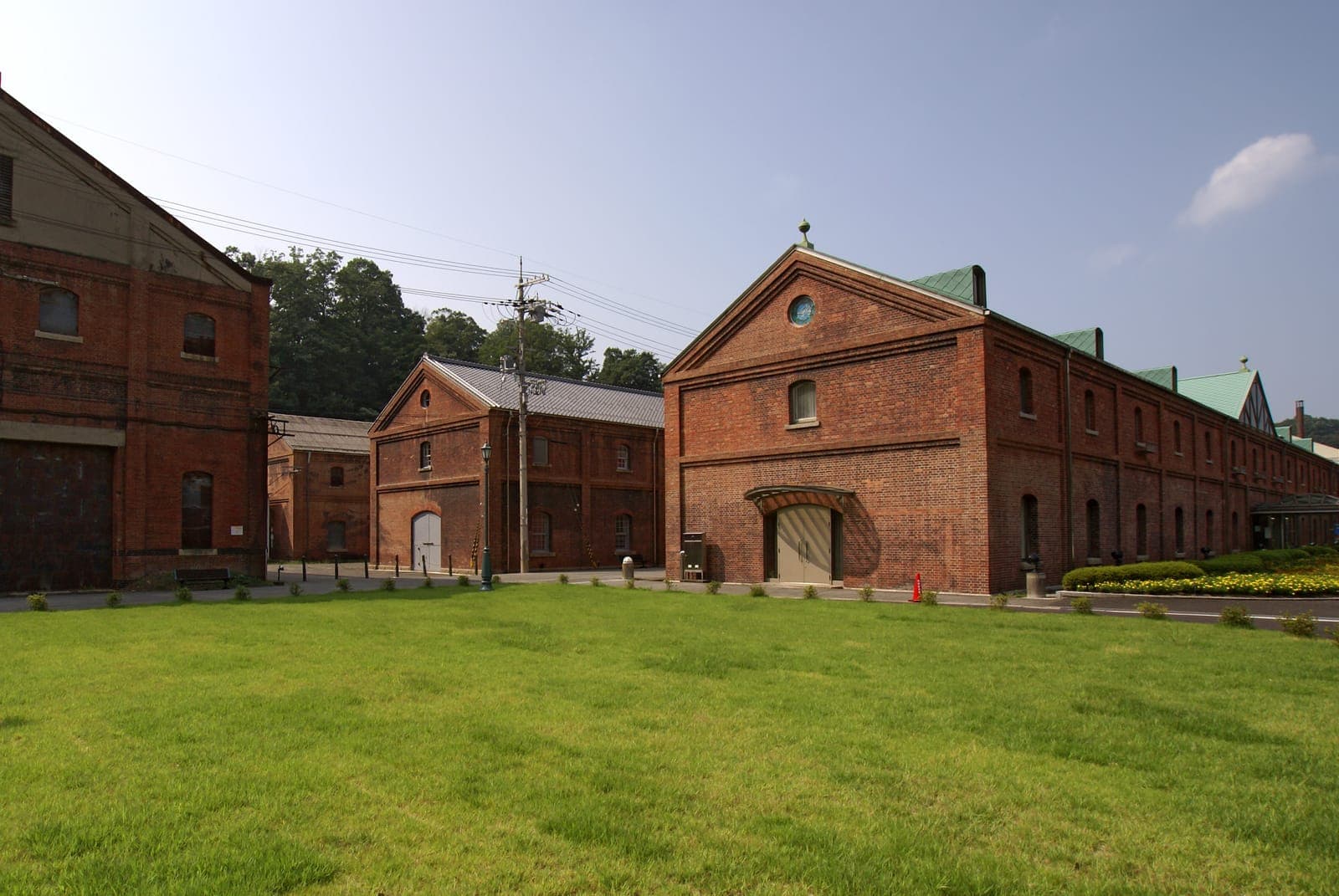
Fujiidera is a city in Osaka Prefecture in the Kansai region of Japan. It sits in the Osaka metropolitan area on the Osaka Plain. Settlement in the area dates to the Kofun period. Parts of the Furuichi Kofun Group in the city were inscribed by UNESCO in 2019. Fujiidera became a city in 1966. Fujii-dera Temple is Temple No. 5 on the Saigoku Kannon Pilgrimage. The temple preserves a National Treasure statue of the thousand-armed Kannon. Dōmyōji Tenman-gū Shrine honors the scholar Sugawara no Michizane. The shrine is noted for its seasonal plum grove. Kintetsu Railway provides quick access to central Osaka.

View details
Kyoto city in Japan - Temples and shrines guide

Kyoto

city, Japan

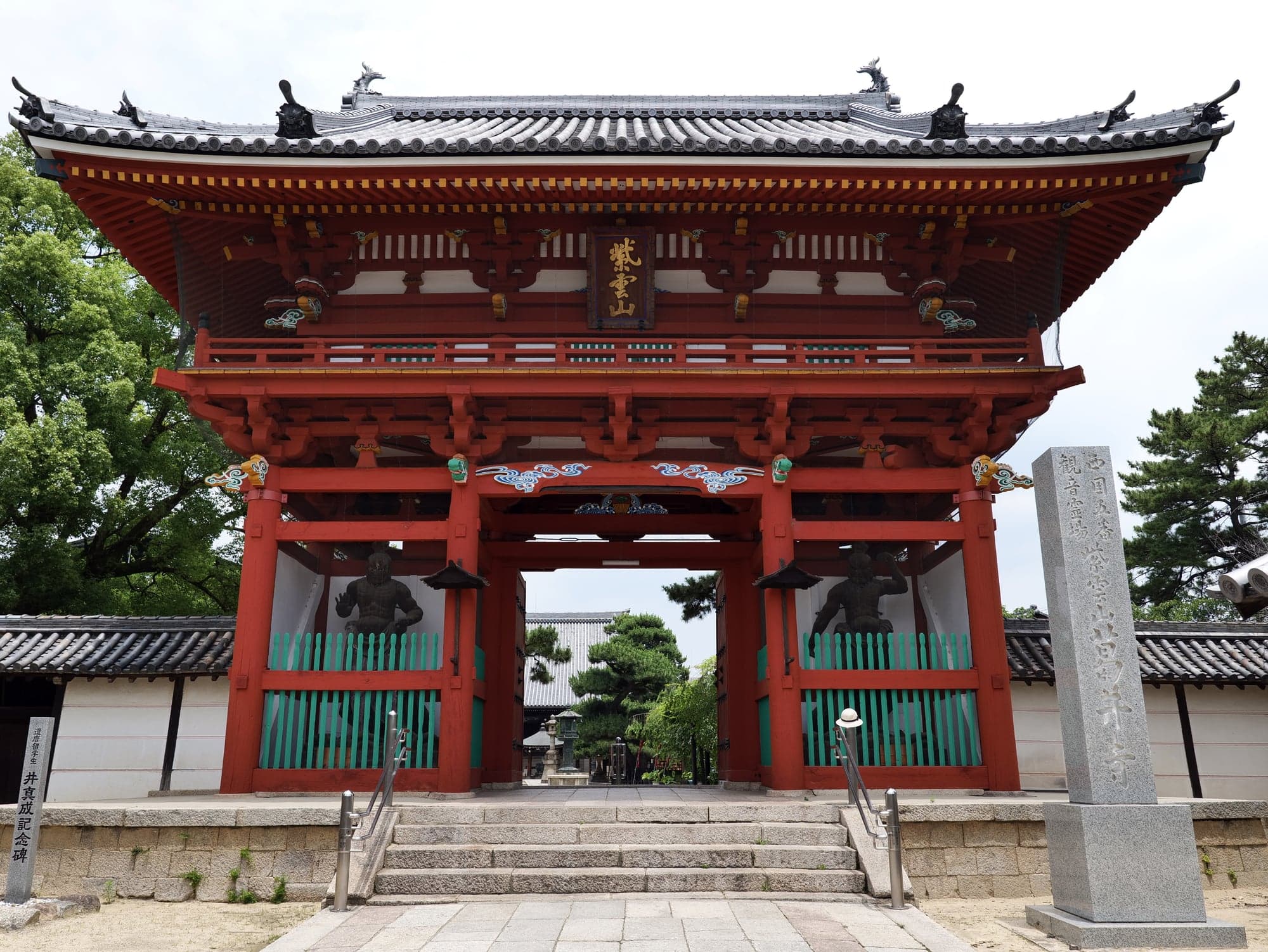
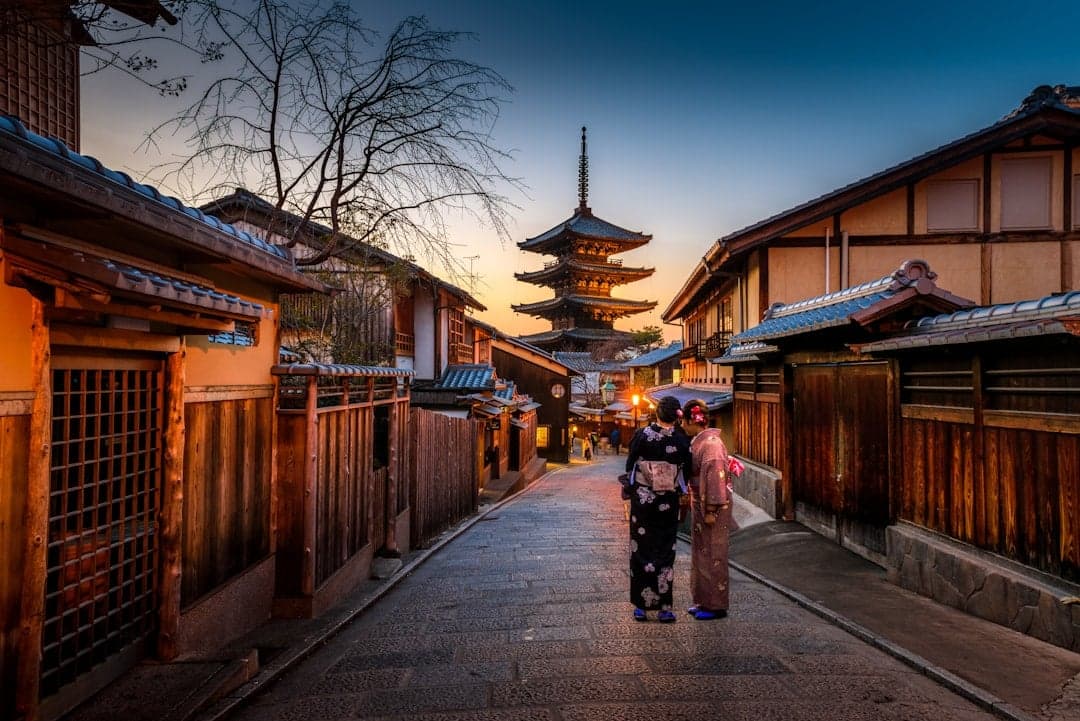
Kyoto is a major city in Kyoto Prefecture in the Kansai region of central Honshu. It served as Japan's imperial capital from 794, when the court moved to Heian-kyo, until 1868, when the capital transferred to Tokyo, shaping its urban form and culture. The city features landmarks such as Kiyomizu-dera temple, Fushimi Inari Taisha shrine with its torii gate paths, Kinkaku-ji (the Golden Pavilion), and Nijo Castle, a former Tokugawa shogun residence; many are grouped in the UNESCO World Heritage "Historic Monuments of Ancient Kyoto." Kyoto lies in a basin crossed by the Kamo and Katsura rivers and includes districts like Gion, known for geisha arts. Festivals such as the Gion Matsuri and a strong university community sustain its role in Japanese history, religion, and learning.

View details
Nara city in Japan - Temples and shrines guide

Nara

city, Japan

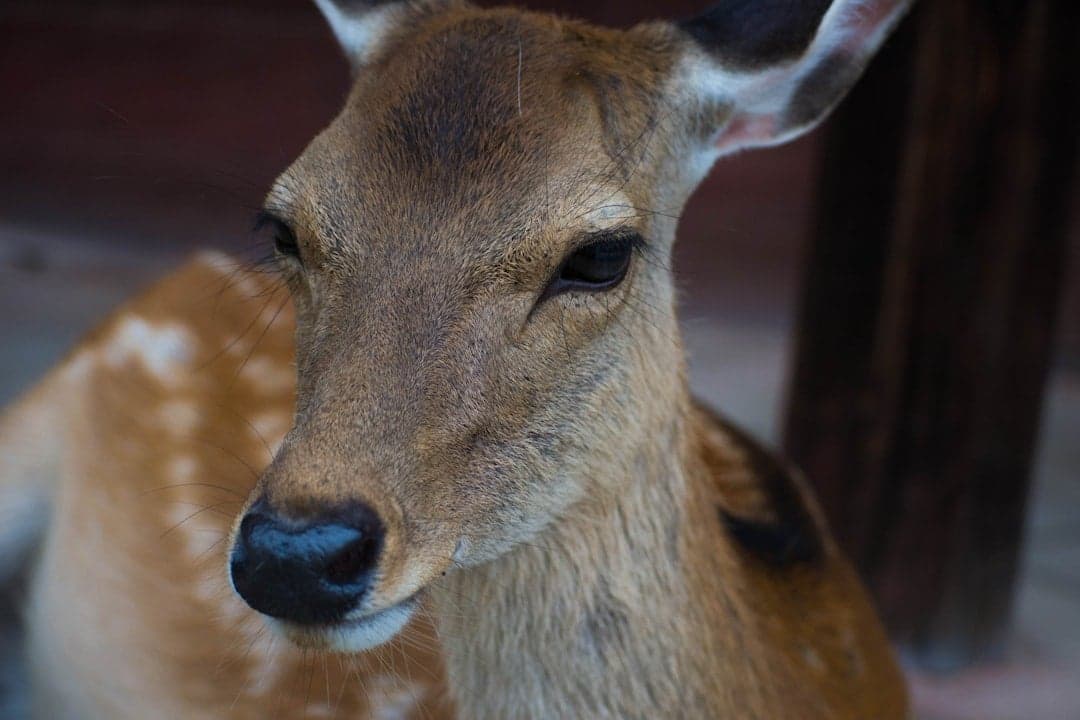
Nara is the capital of Nara Prefecture in the Kansai region of Japan. It served as Japan’s first permanent capital at Heijō-kyō from 710 to 784, giving its name to the Nara period (710–794). The Historic Monuments of Ancient Nara, which include temples, shrines, and palace ruins, were inscribed as a UNESCO World Heritage Site in 1998. Tōdai-ji temple houses the Great Buddha and one of the world’s largest wooden halls. Kōfuku-ji is noted for its five-story pagoda, while Kasuga Taisha and the Kasugayama Primeval Forest reflect ancient Shinto worship. The Heijō Palace Site offers reconstructed state halls and a museum. Nara Park links major landmarks and is known for protected free-roaming deer, and the Nara National Museum showcases Buddhist art.

View details
Shibuya ward in Japan - Temples and shrines guide

Shibuya

ward, Japan

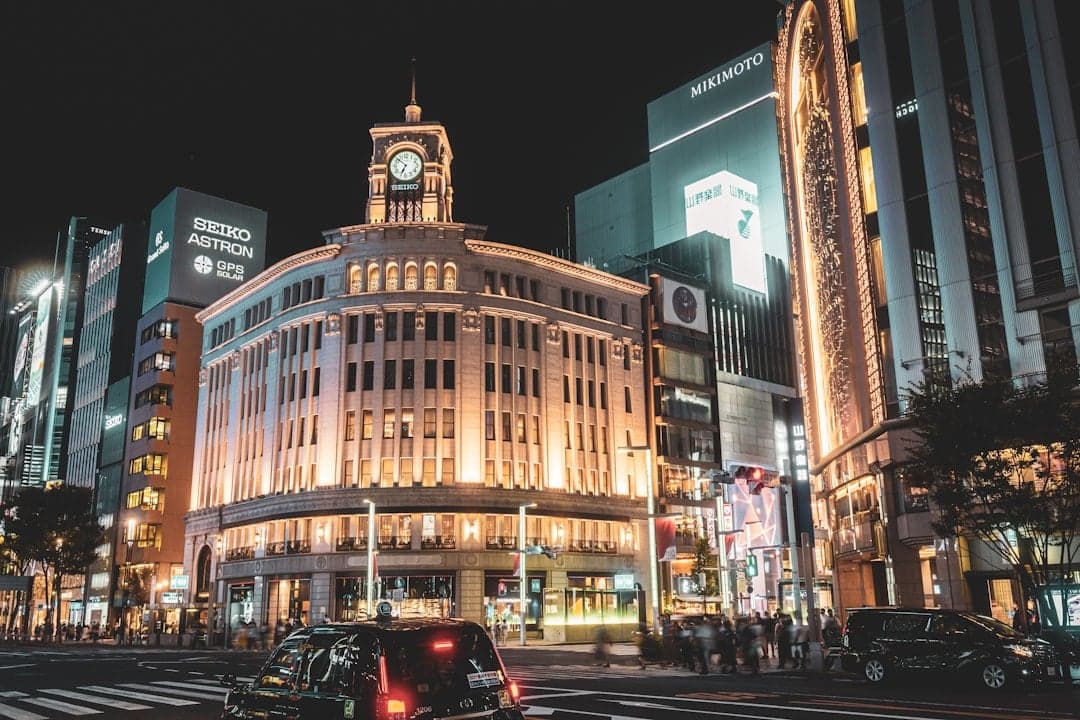
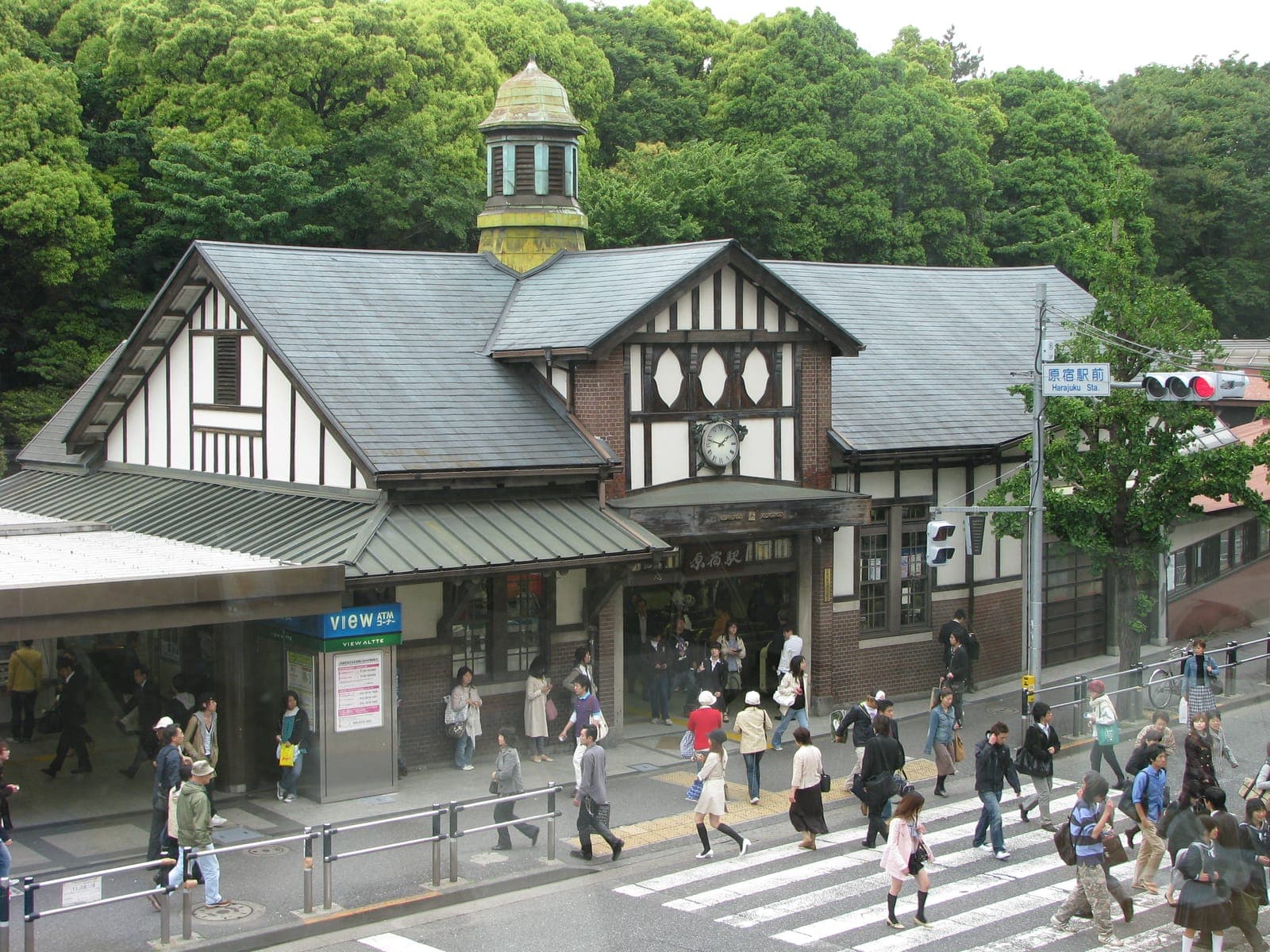
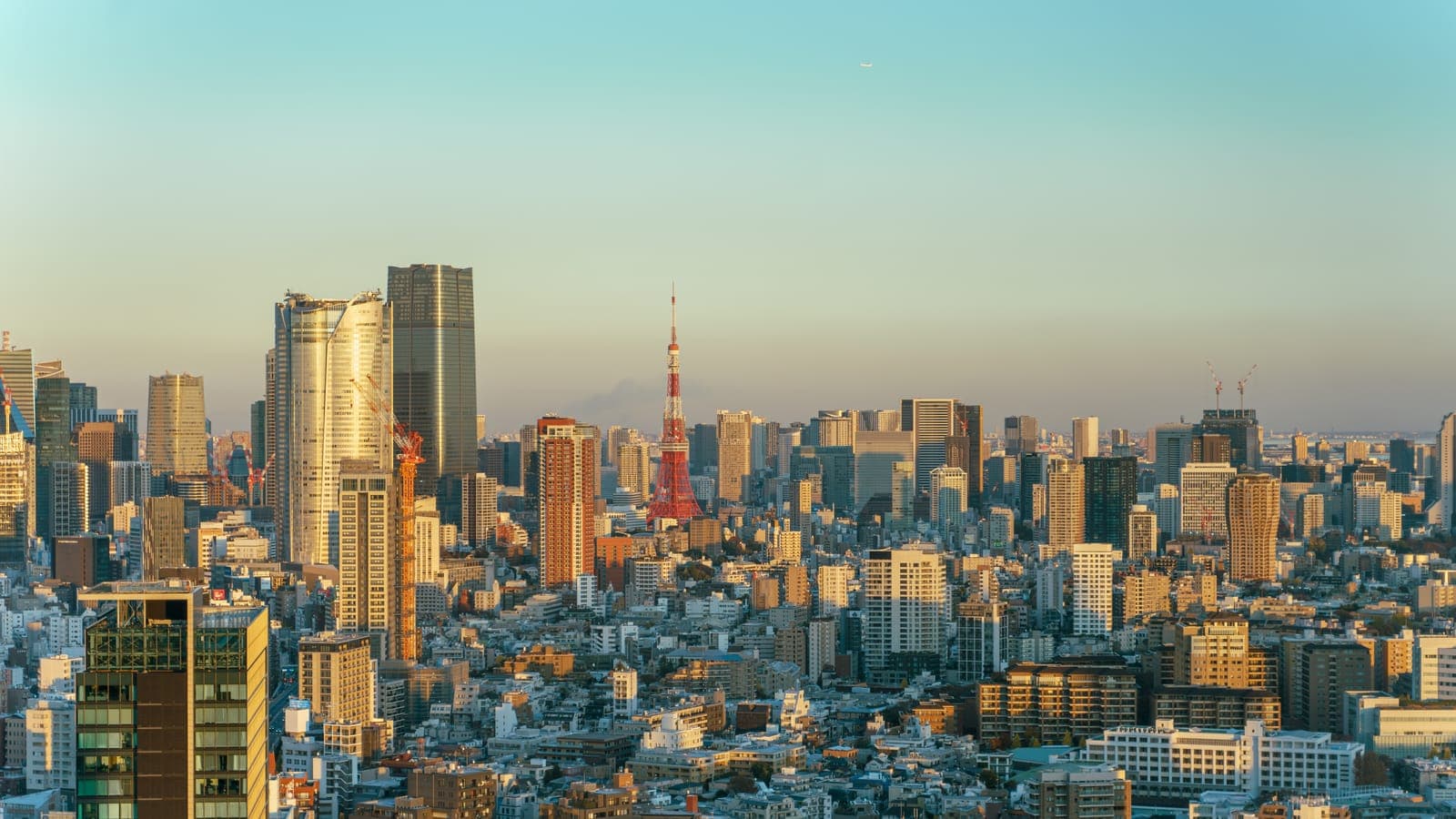
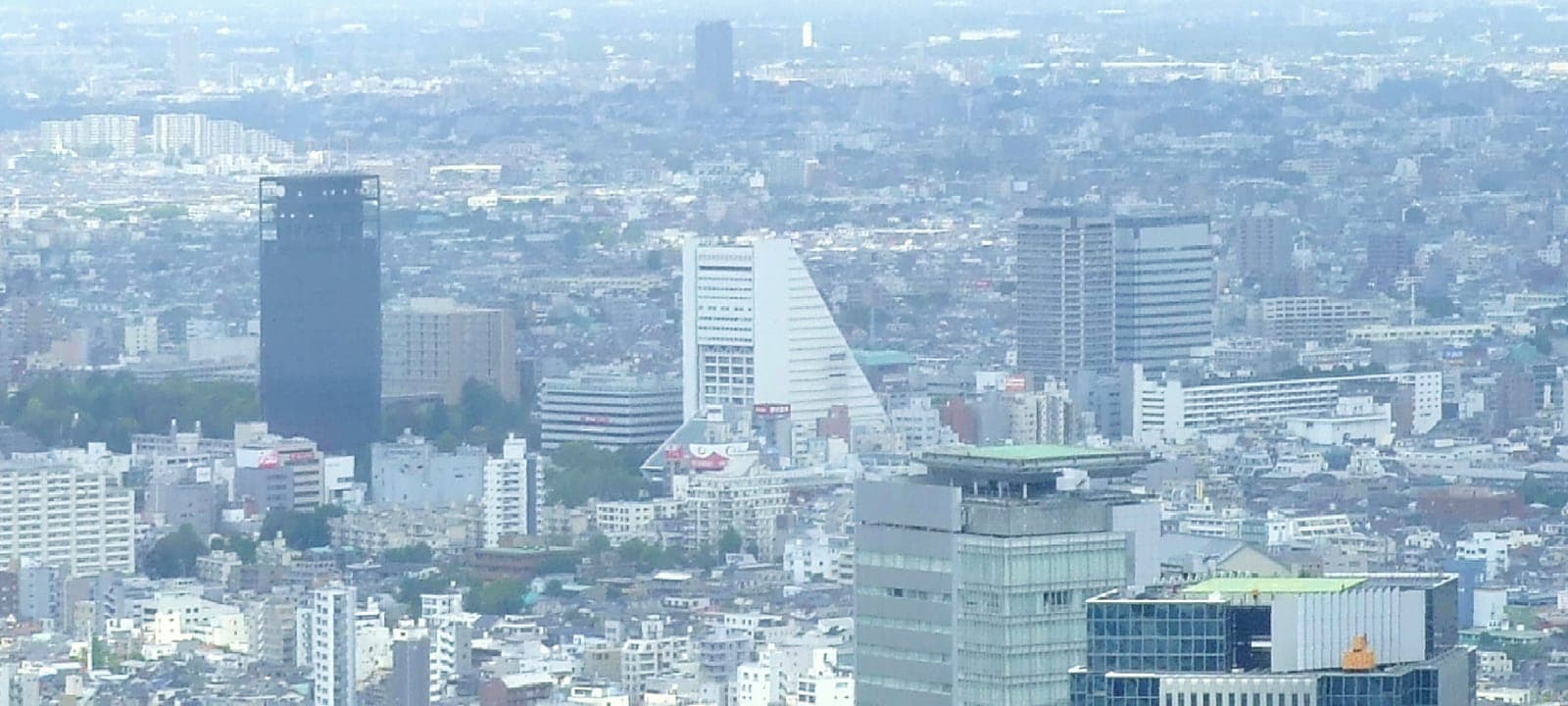
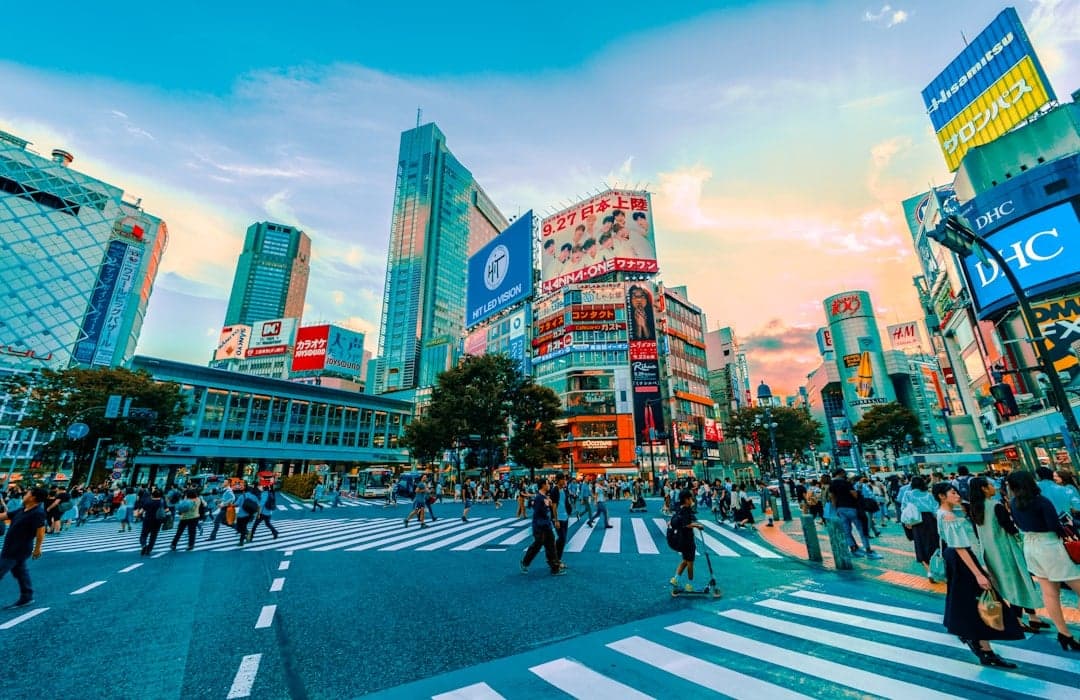
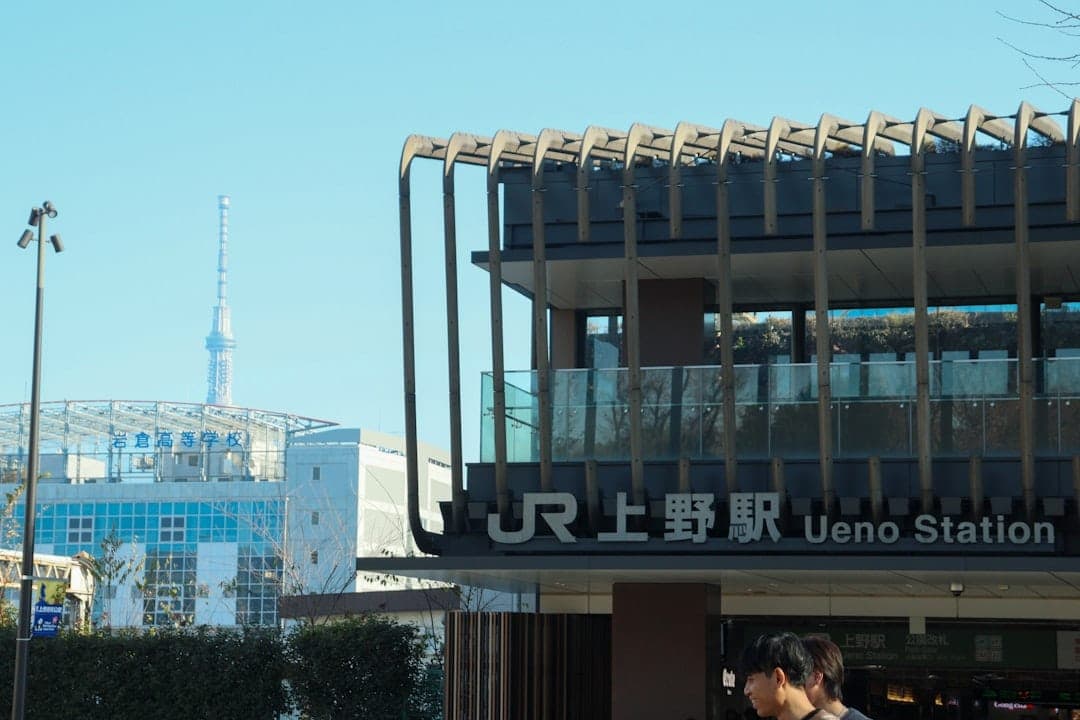
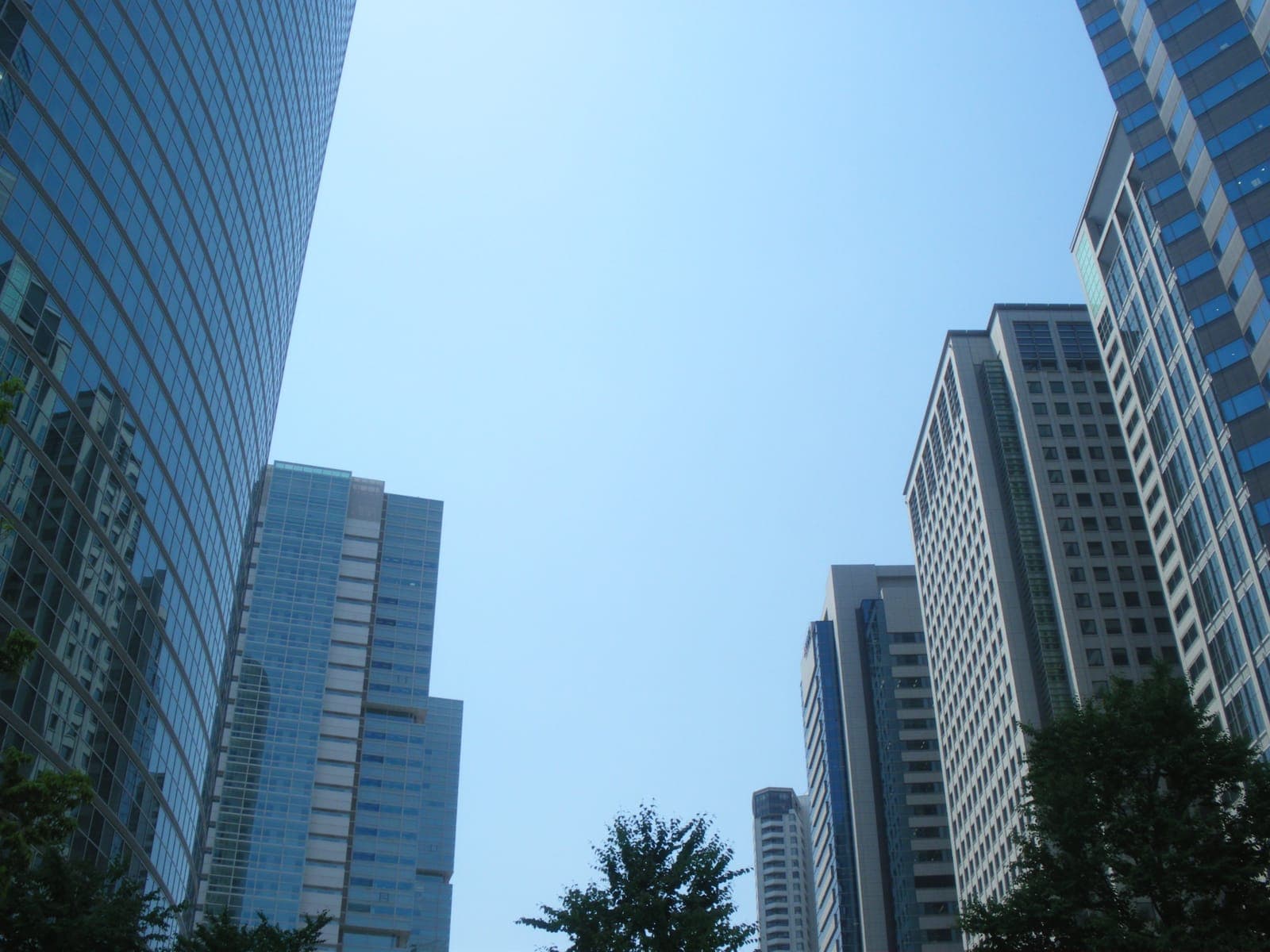
Shibuya is a special ward of Tokyo Metropolis in central Tokyo. It lies southwest of the Imperial Palace and borders Shinjuku and Minato. The ward became part of Tokyo City in 1932 and was reorganized as a special ward in 1947 under the Local Autonomy Law. Shibuya Station is a major rail hub, and the surrounding Shibuya Crossing is a well-known landmark, marked by the Hachiko statue. The ward includes Meiji Jingu Shinto shrine set in a large forested precinct and Yoyogi Park, a major open space for events and recreation. Harajuku and Omotesando are centers of fashion and youth culture. The area also hosts NHK Broadcasting Center and Aoyama Gakuin University. Shibuya is noted for shopping, entertainment, and convenient access across the metropolis.
View details
Wakayama city in Japan - Temples and shrines guide

Wakayama

city, Japan

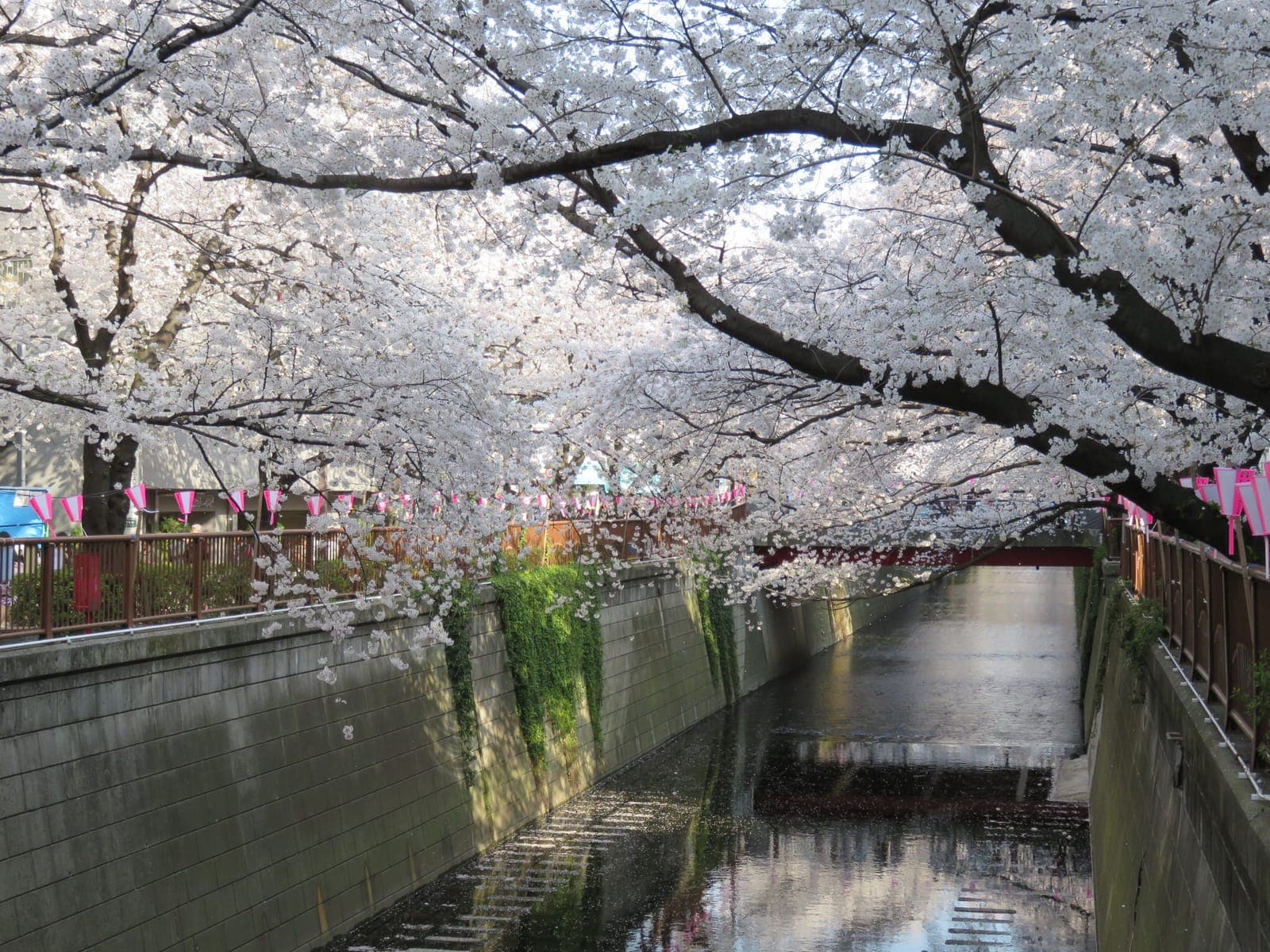
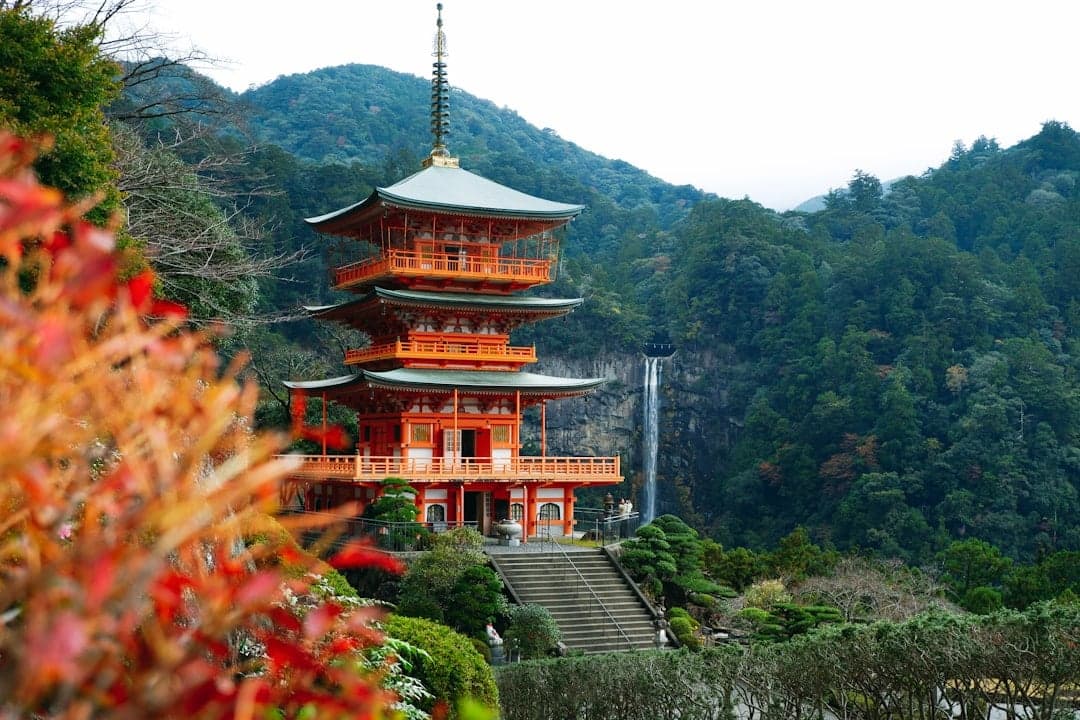
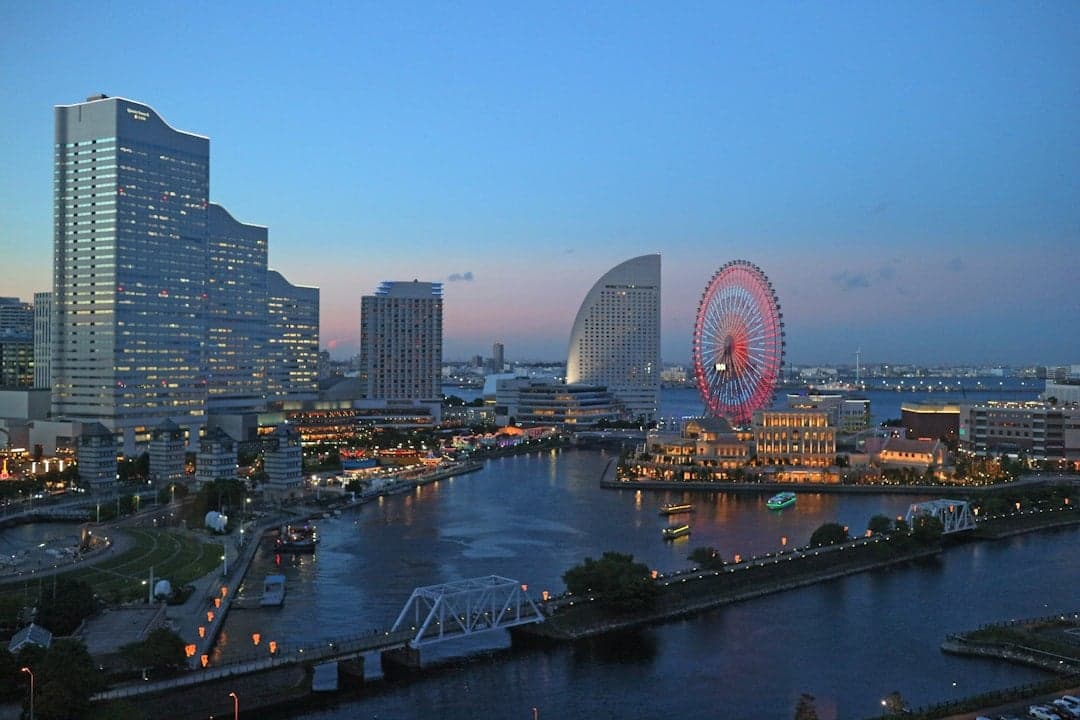
Wakayama is the capital city of Wakayama Prefecture in the Kansai region. It lies at the mouth of the Kinokawa River on the northwestern Kii Peninsula, facing the Kii Channel. The city grew as the castle town of the Kii Domain, ruled by the Kii branch of the Tokugawa from 1619. Wakayama City was established in 1889 and was heavily damaged by air raids in 1945 before rebuilding as a regional center. Wakayama Castle, originally built in 1585 by Toyotomi Hidenaga and now reconstructed, anchors a hilltop park with a small history museum. Kimii-dera temple, a stop on the Saigoku Kannon pilgrimage, is noted for early cherry blossoms. The Wakanoura area is a nationally designated Place of Scenic Beauty. Wakayama Port runs ferries to Tokushima, and Nankai Electric Railway links the city to Osa...
View details