

Nara
Nara is the capital of Nara Prefecture in the Kansai region of Japan.
Esplora Nara con Goshuin Atlas
Scarica la nostra app per scoprire tutti i templi e santuari a Nara, colleziona timbri goshuin e pianifica il tuo viaggio culturale con mappe offline e informazioni in tempo reale.

Templi e Santuari a Nara
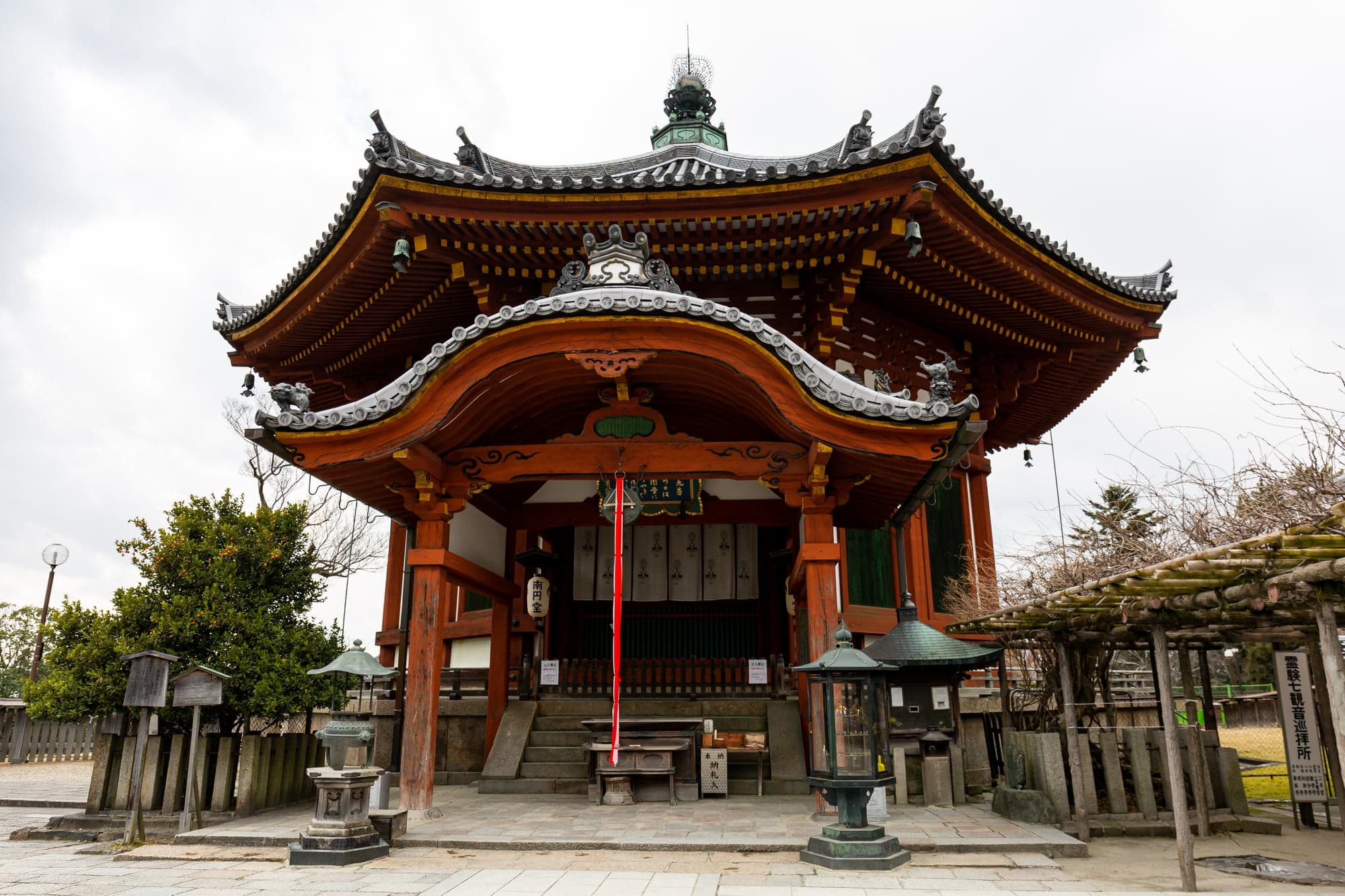
Kofuku-ji
Tempio Budista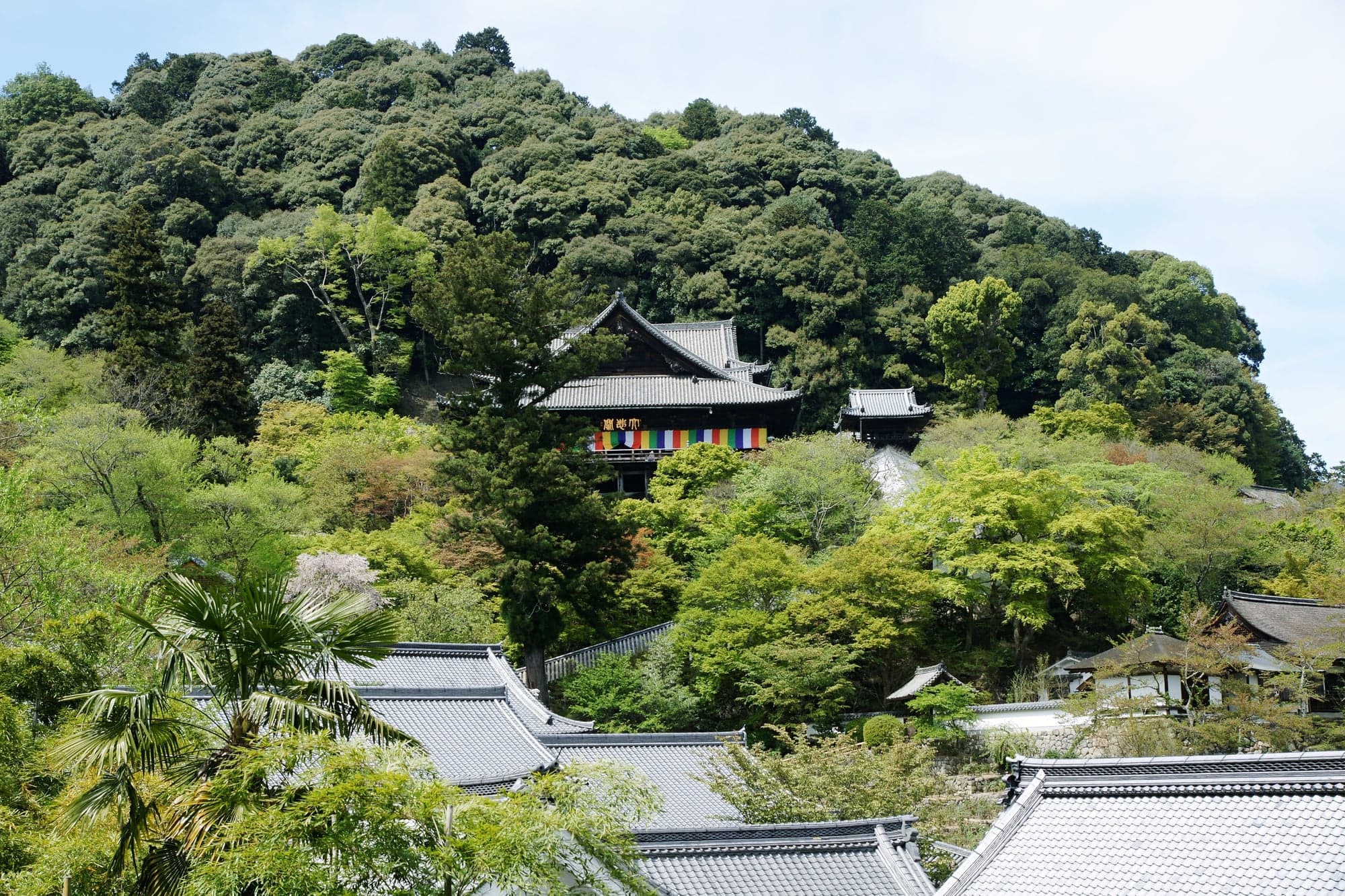
Hase-dera
Tempio BudistaTowering nearly 9 meters high, the gilded wooden statue of eleven-faced Kannon—the bodhisattva of compassion and mercy—commands attention at Hase-dera Temple. This ancient Buddhist sanctuary, established in 736 CE, clings to a Kamakura hillside where the grounds cascade down toward panoramic views o
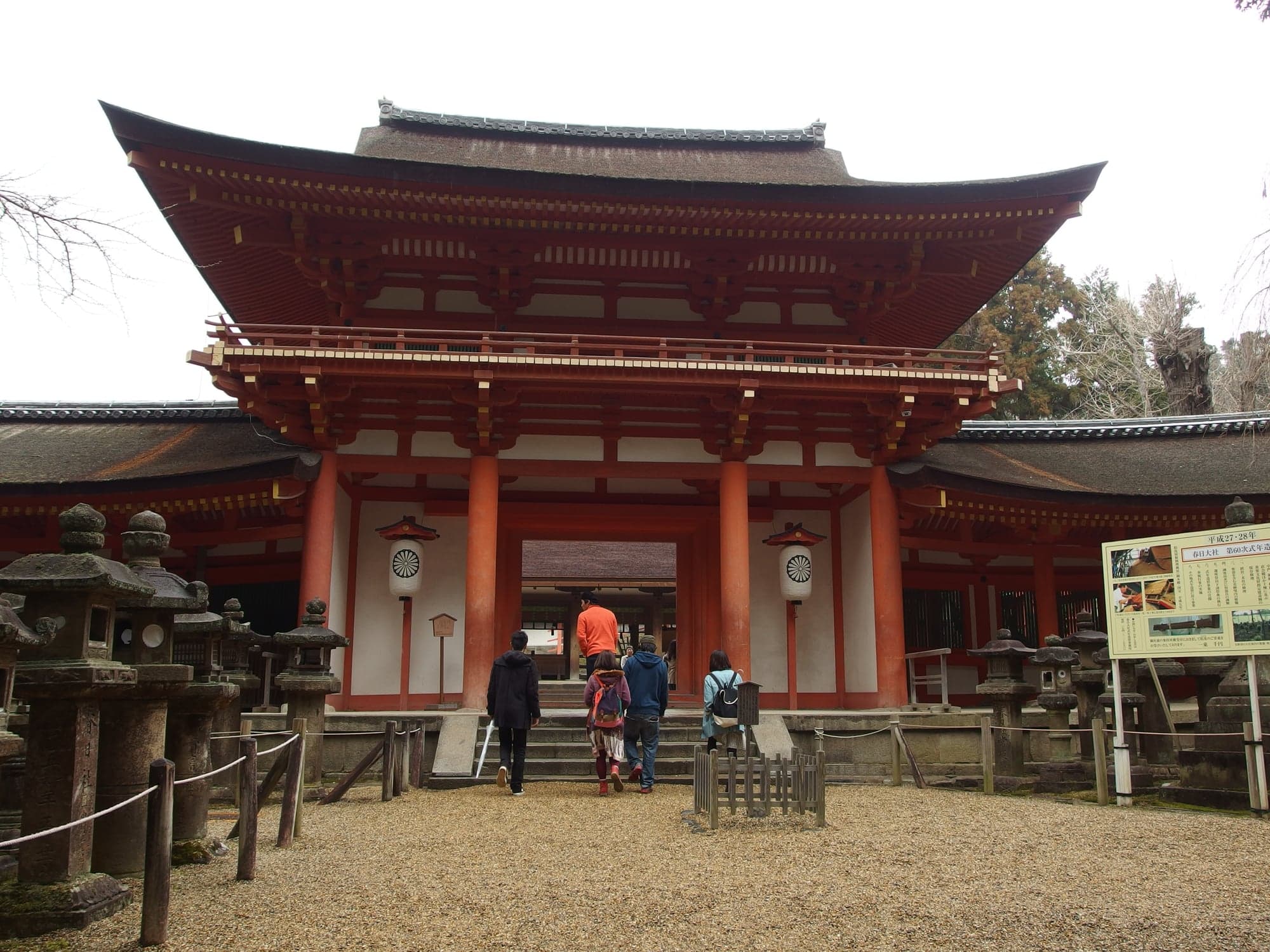
Kasuga Taisha
Santuario ShintoMajor Shinto shrine in Nara, known for its numerous bronze lanterns
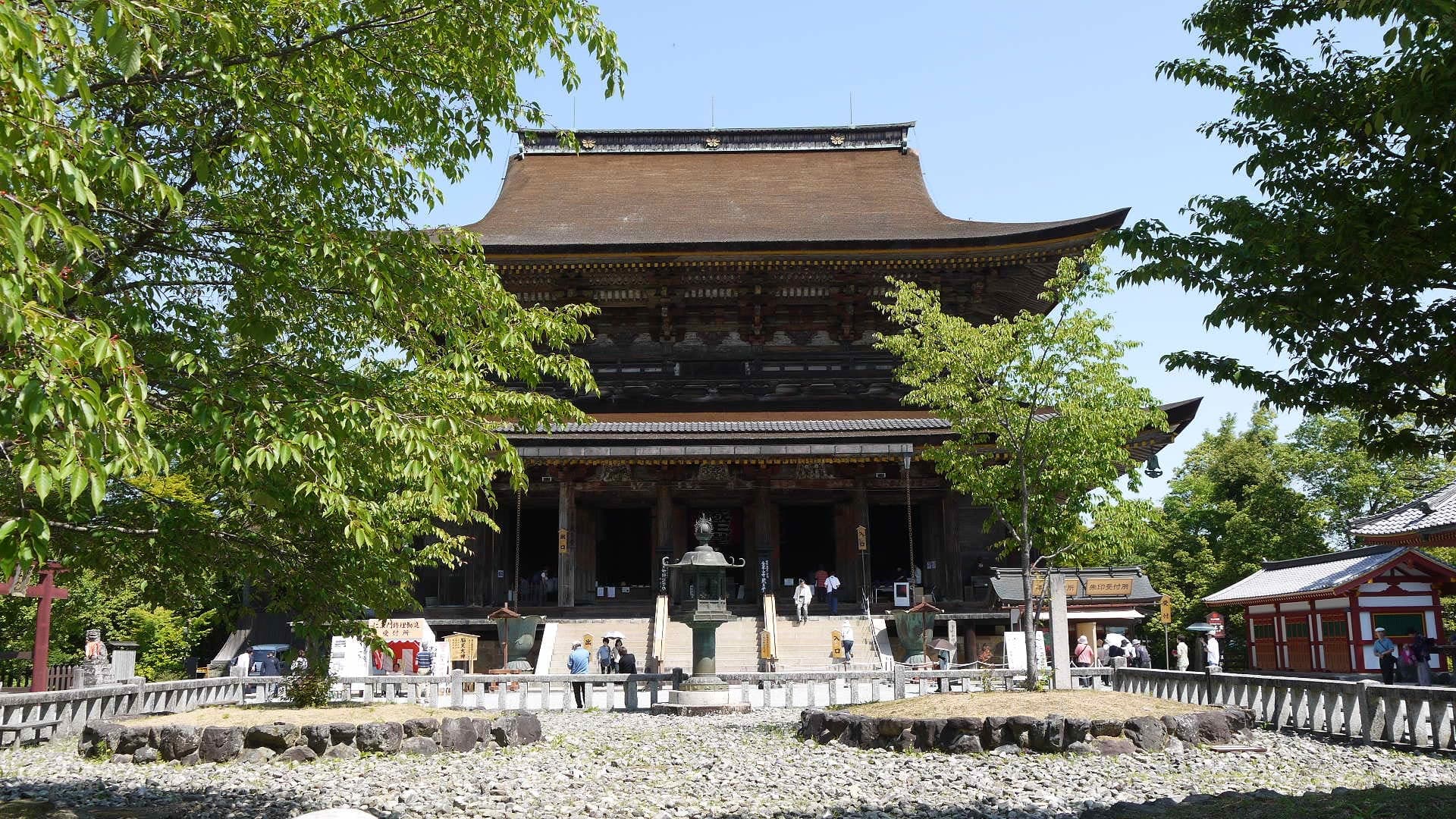
Kinpusen-ji
Tempio BudistaKinpusen-ji in Yoshino, Nara, is the head temple of Kinpusen‑Shugendō and a core Shugendō site with Ōminesan‑ji. Tradition credits En no Gyōja; its Zaō‑dō, dedicated to Zaō Gongen, is Japan’s second‑largest wooden building after Tōdai‑ji’s Great Buddha Hall.
Todai-ji
Tempio BudistaTōdai-ji is a Buddhist temple complex in Nara, Japan, once one of the Seven Great Temples. Founded in 738 and opened in 752, it was built to emulate Tang dynasty temples and has undergone multiple reconstructions.
Esplora Altre Città





Frequently Asked Questions
Quanti templi e santuari ci sono a Nara?
Che tipi di goshuin posso raccogliere a Nara?
I templi e i santuari di Nara sono aperti ai visitatori?
Come usare Goshuin Atlas per esplorare Nara?
Goshuin Atlas è gratuito da usare?
Pianifica il Tuo Viaggio ai Templi di Nara
Ottieni informazioni dettagliate, mappe offline, tracciamento collezione goshuin e raccomandazioni personalizzate per la tua visita a Nara.