

Takatori
Discover temples and shrines in Takatori, Japan
Erkunden Sie Takatori mit Goshuin Atlas
Laden Sie unsere App herunter, um alle Tempel und Schreine in Takatori zu entdecken, Goshuin-Stempel zu sammeln und Ihre kulturelle Reise mit Offline-Karten und Echtzeitinformationen zu planen.

Tempel & Schreine in Takatori
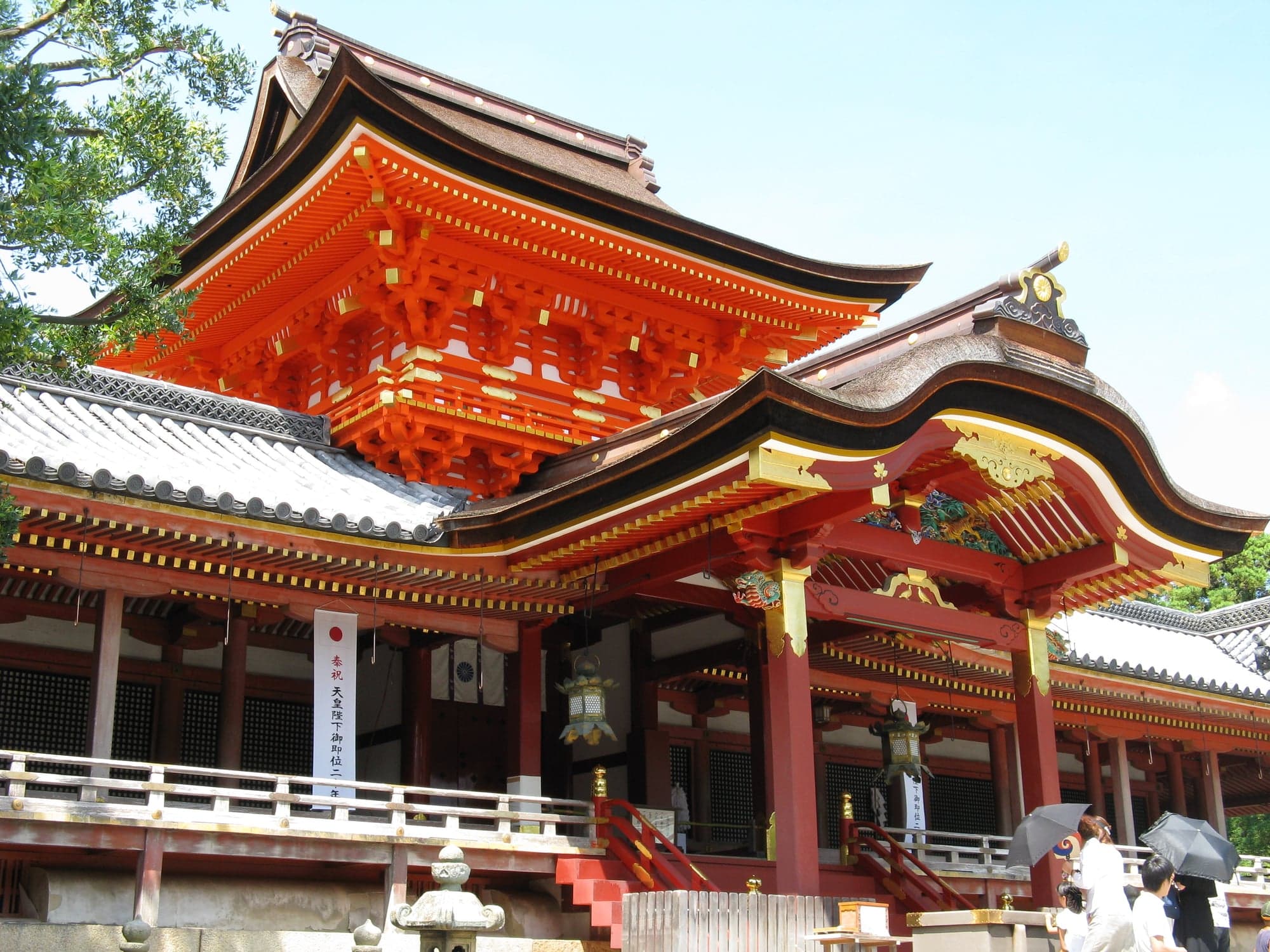
Iwashimizu
Shinto-SchreinOne of Japan's most important Hachiman shrines, founded in 860. Located atop Mt. Otokoyama in Yawata, it features stunning vermillion architecture and has been a spiritual guardian of Kyoto for over a millennium. Designated a National Treasure.
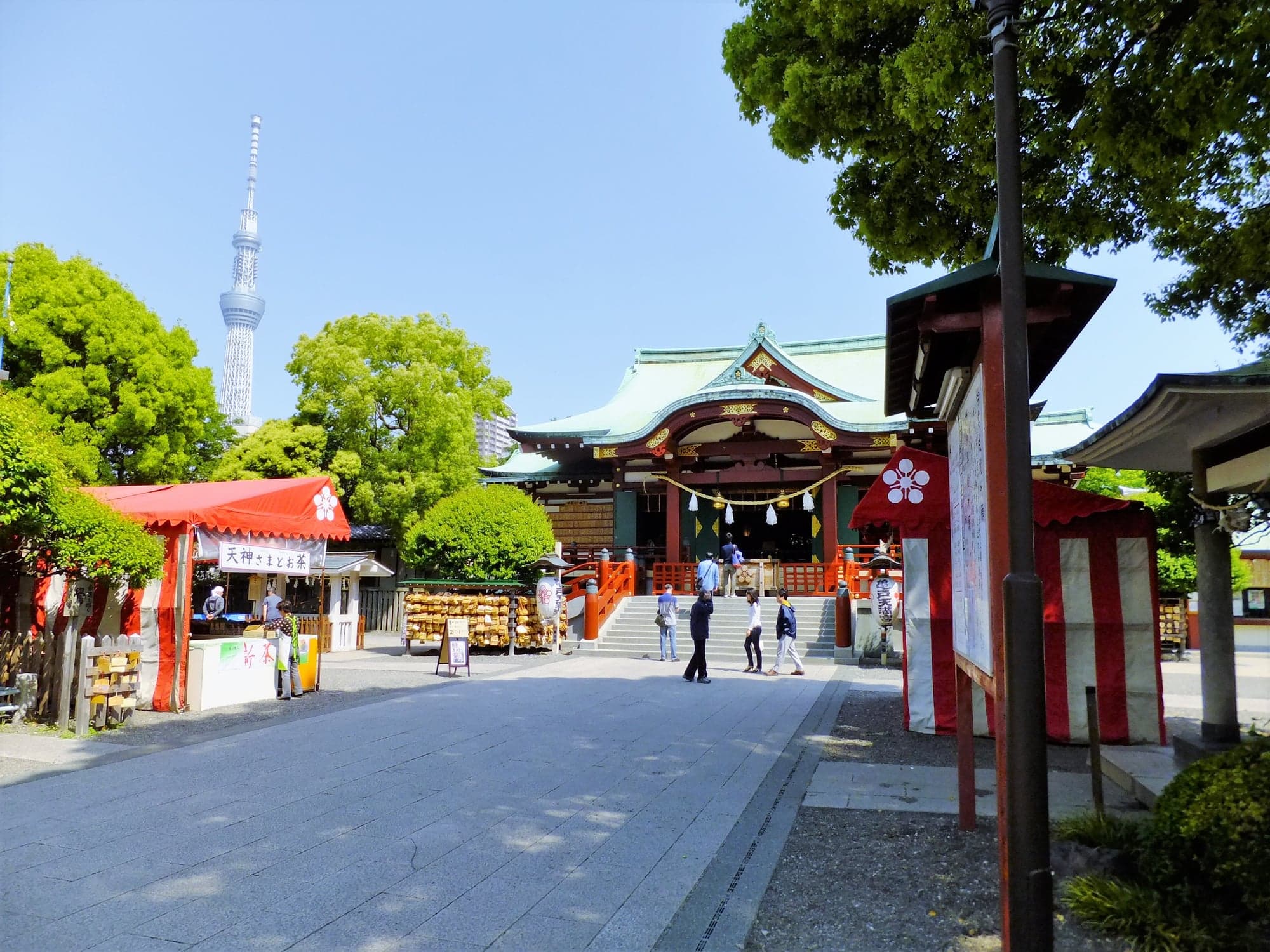
Kameido Tenjin
Buddhistischer Tempel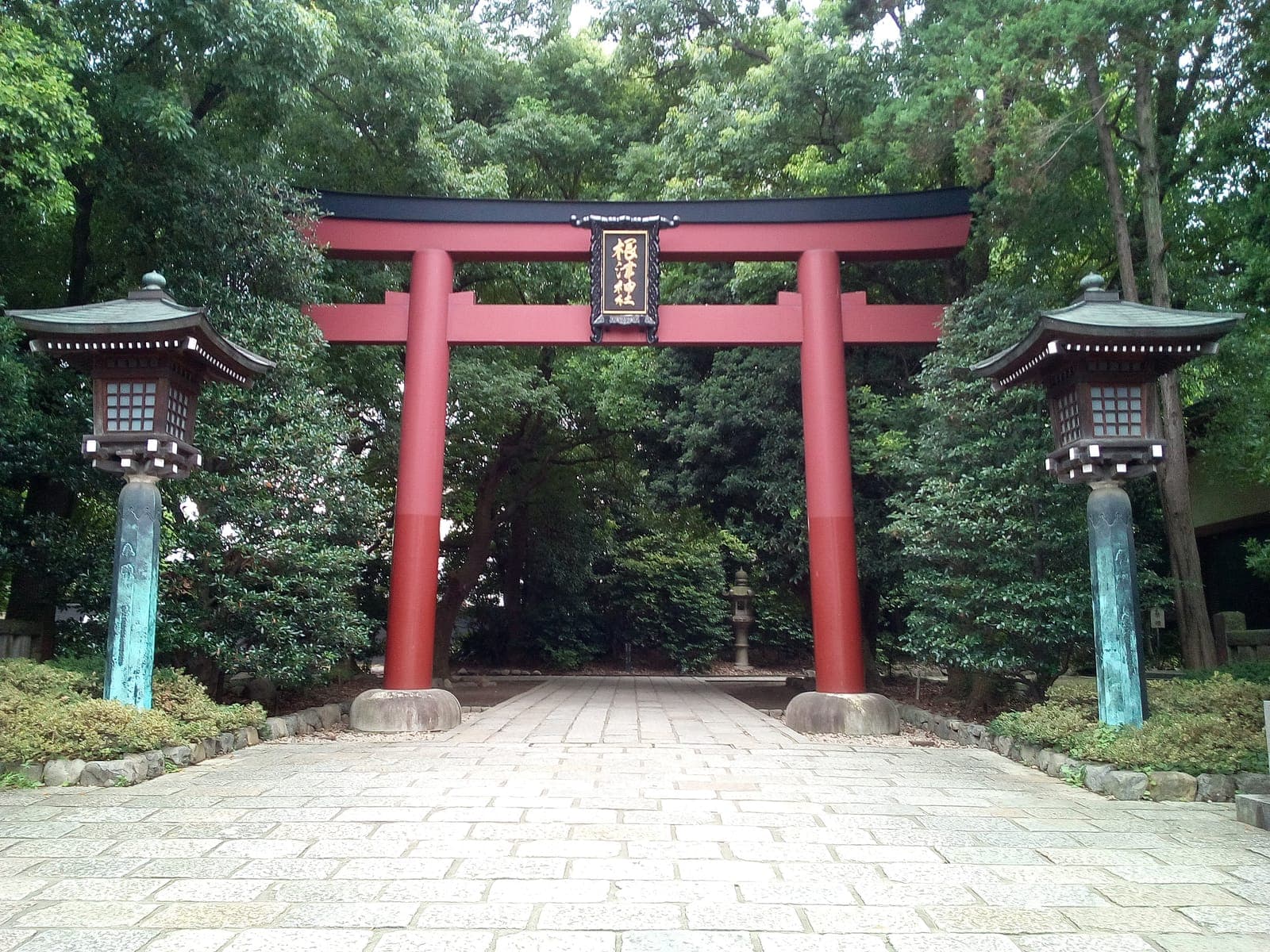
Nezu
Shinto-SchreinHistoric Shinto shrine in Tokyo's Bunkyo ward, renowned for its stunning azalea garden with over 3,000 bushes that bloom spectacularly each spring. Features a rare intact Edo-period architectural complex and a famous tunnel of vermillion torii gates.
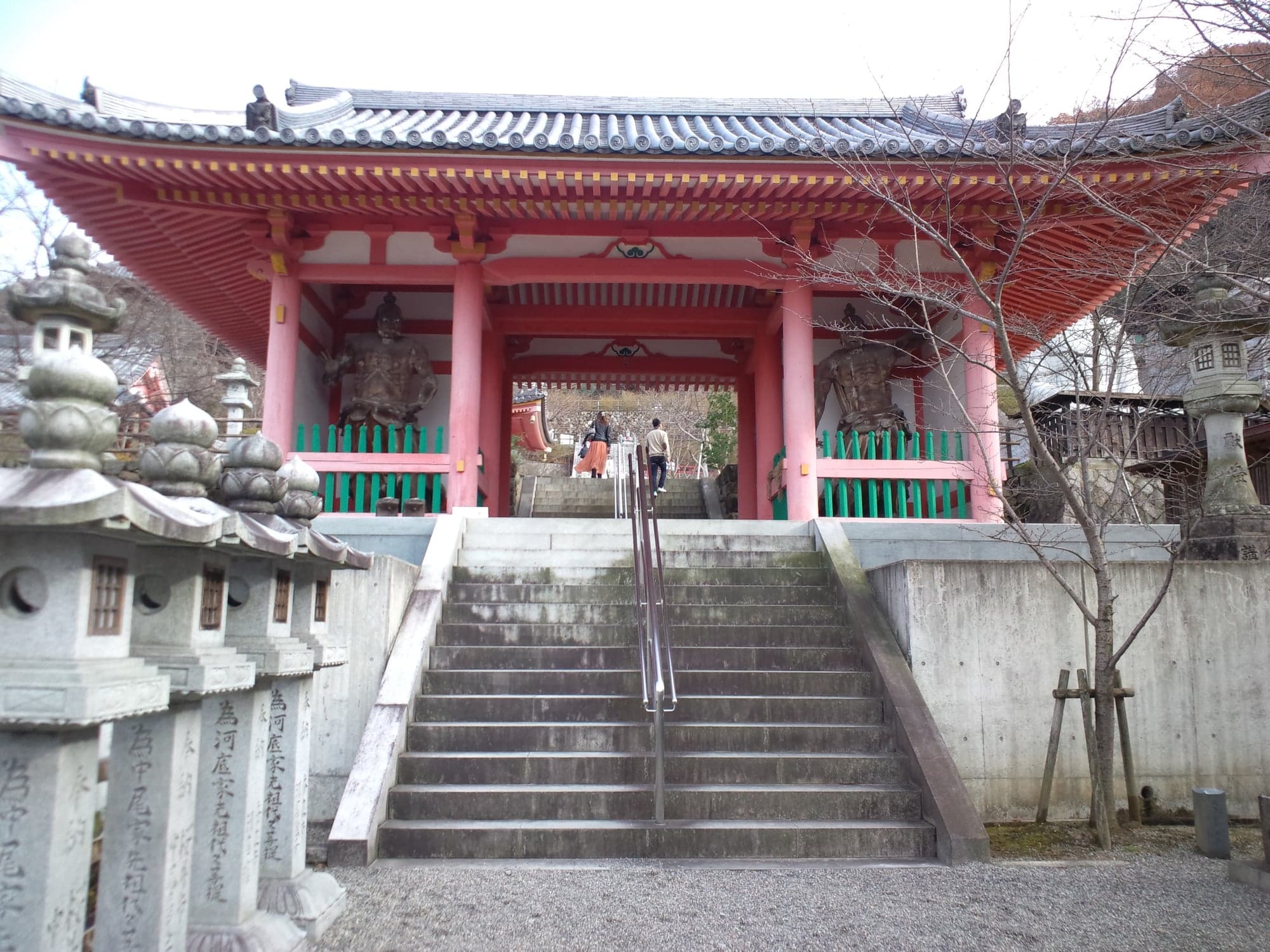
Minamihokke-ji
Buddhistischer TempelMinami Hokke-ji (南法華寺) is a Buddhist temple located in the Tsubosaka neighborhood of the town of Takatori, Nara Prefecture Japan. It belongs to the Shingon sect of Japanese Buddhism and its honzon is a statue of Jūichimen Senjū Kannon.
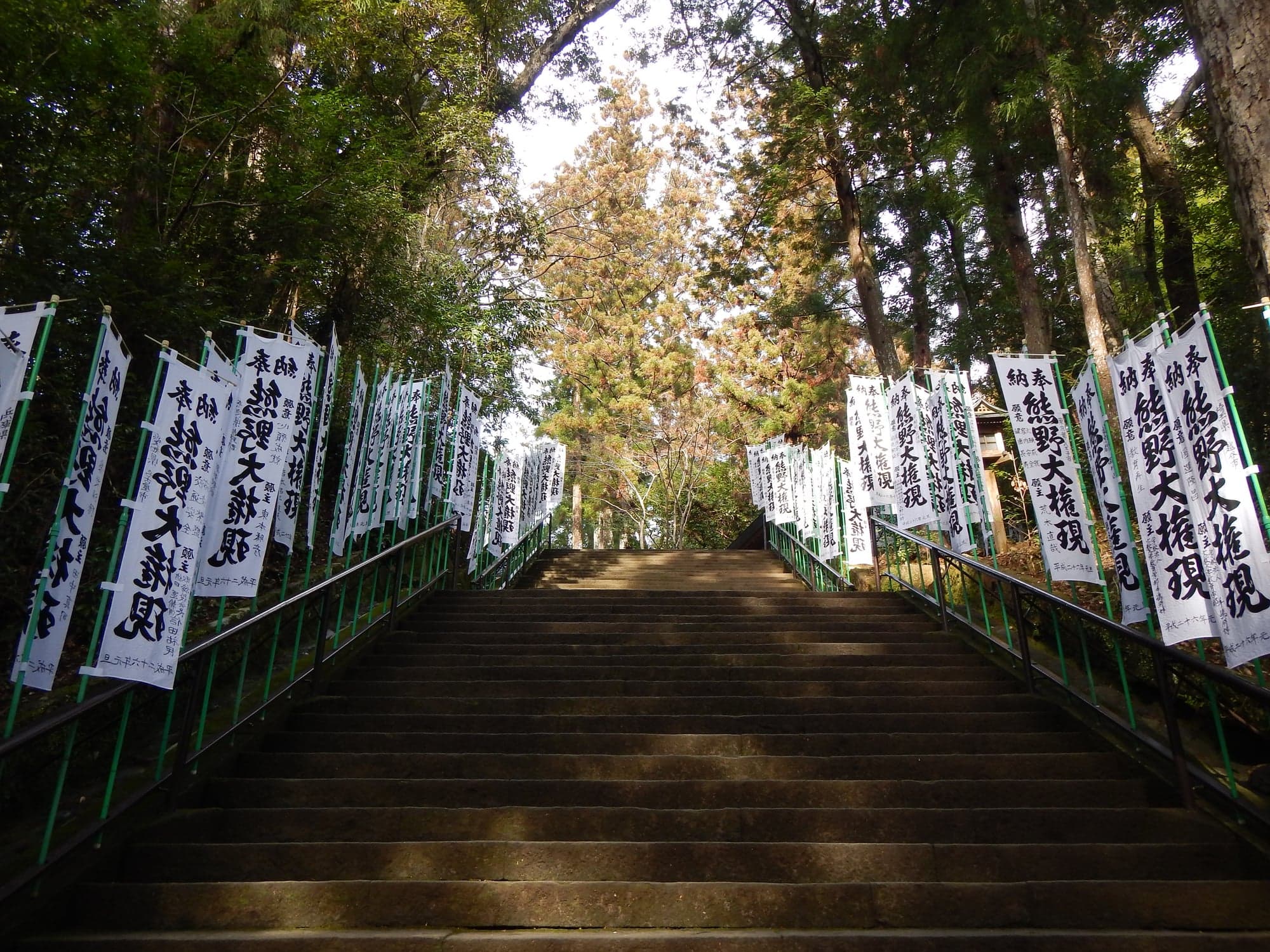
Kumano Hongu Taisha
Shinto-SchreinKumano Hongu Taisha stands as one of Japan's most significant Shinto sanctuaries, serving as the head shrine of approximately 3,000 Kumano shrines scattered across the nation. As one of the three grand Kumano shrines (Kumano Sanzan), this sacred shrine holds a unique history of resilience. Originall

Gokoku-in
Buddhistischer TempelGokokuin is a Tendai Buddhist temple within the Kan'ei-ji complex in Ueno Park. Founded as part of the historic Tōeizan temple grounds, it serves as a place of worship and spiritual practice, offering visitors a serene atmosphere amidst the bustling park.

Togaku-ji
Buddhistischer TempelTogakuji is a Buddhist temple located in Tabata, Kita City, Tokyo. This peaceful temple serves as a place of worship and spiritual reflection for the local community, maintaining traditional Buddhist practices and ceremonies in a quiet residential neighborhood.
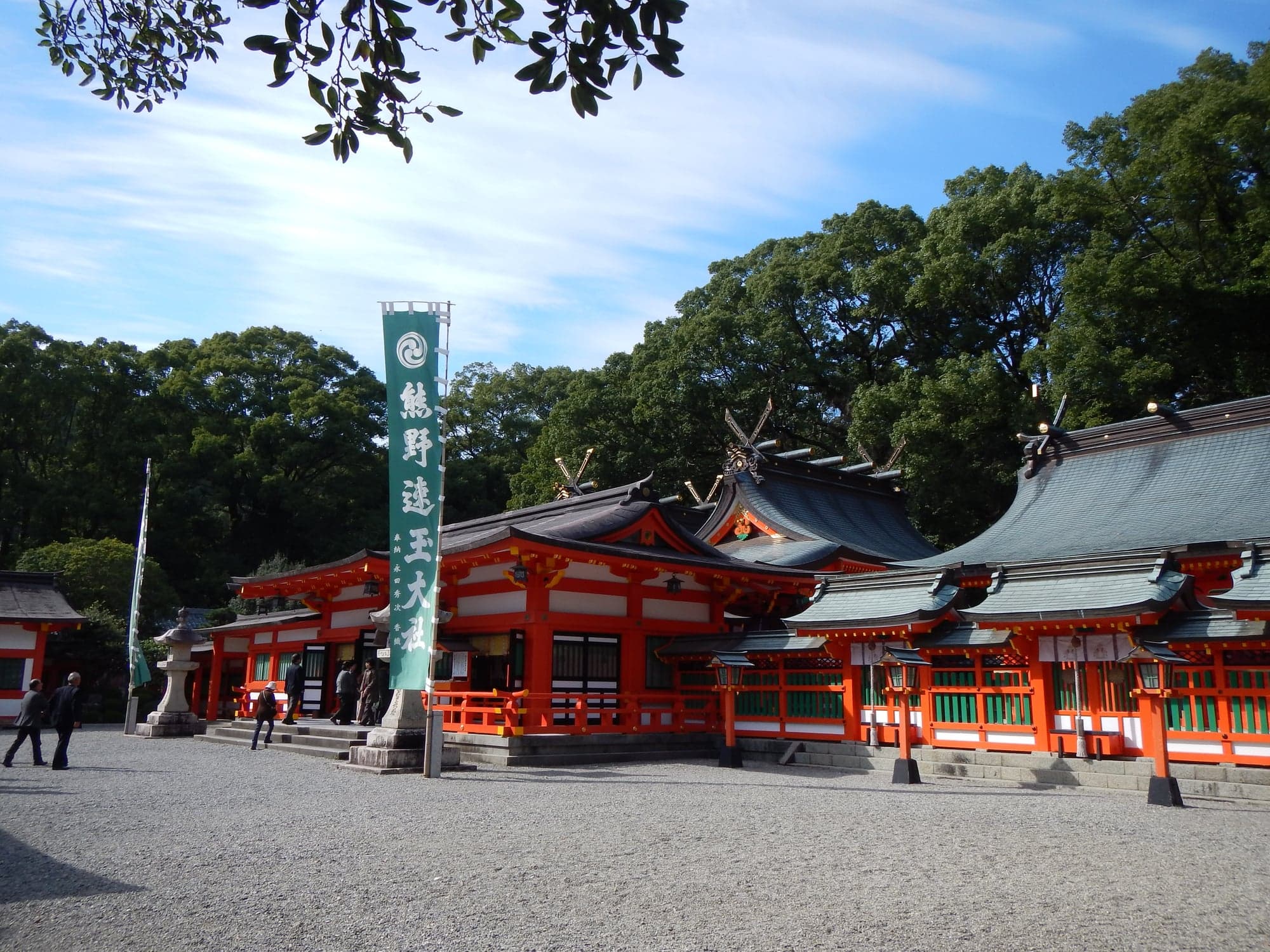
Kumano Hayatama Taisha
Shinto-SchreinOne of the three Kumano Grand Shrines, this ancient Shinto shrine is a UNESCO World Heritage site. Known for its vermillion-lacquered buildings and sacred Nagi tree, it serves as a spiritual center for nature worship and pilgrimage.
Weitere Städte erkunden






Frequently Asked Questions
Wie viele Tempel und Schreine gibt es in Takatori?
Welche Arten von Goshuin kann ich in Takatori sammeln?
Sind die Tempel und Schreine in Takatori für Besucher geöffnet?
Wie verwende ich Goshuin Atlas, um Takatori zu erkunden?
Ist Goshuin Atlas kostenlos nutzbar?
Planen Sie Ihre Takatori Tempel-Reise
Erhalten Sie detaillierte Informationen, Offline-Karten, Goshuin-Sammlungsverfolgung und personalisierte Empfehlungen für Ihren Besuch in Takatori.