
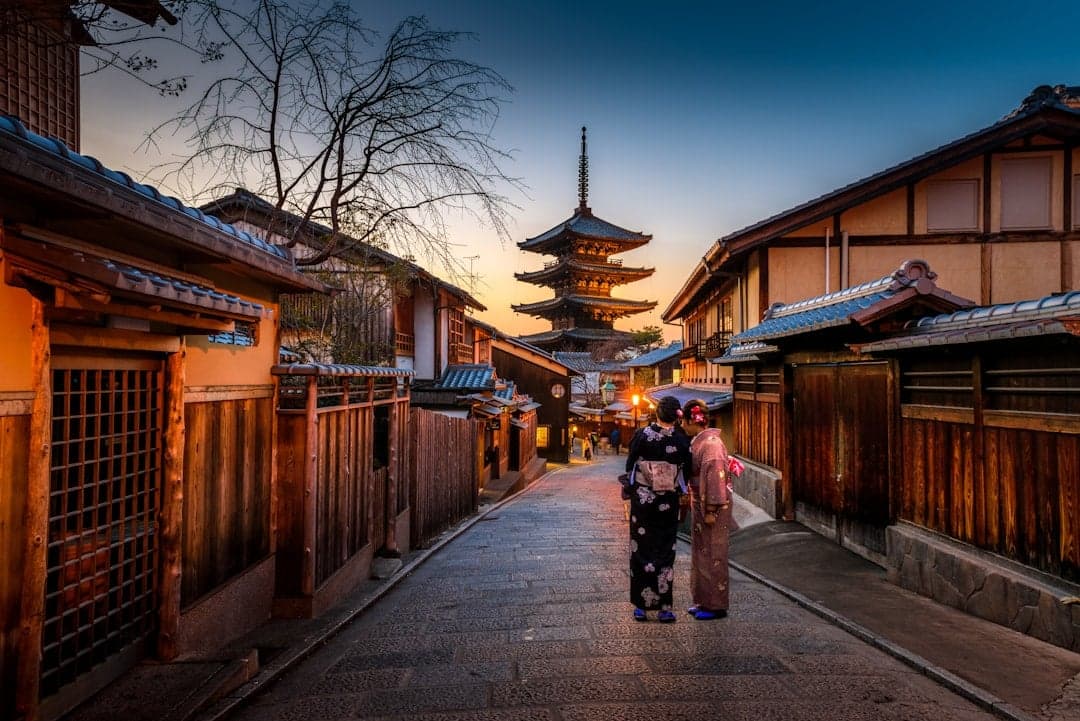
Kyoto
Kyoto is a city in Kyoto Prefecture in the Kansai region of central Honshu. It is Japan's former imperial capital.
Erkunden Sie Kyoto mit Goshuin Atlas
Laden Sie unsere App herunter, um alle Tempel und Schreine in Kyoto zu entdecken, Goshuin-Stempel zu sammeln und Ihre kulturelle Reise mit Offline-Karten und Echtzeitinformationen zu planen.

Tempel & Schreine in Kyoto
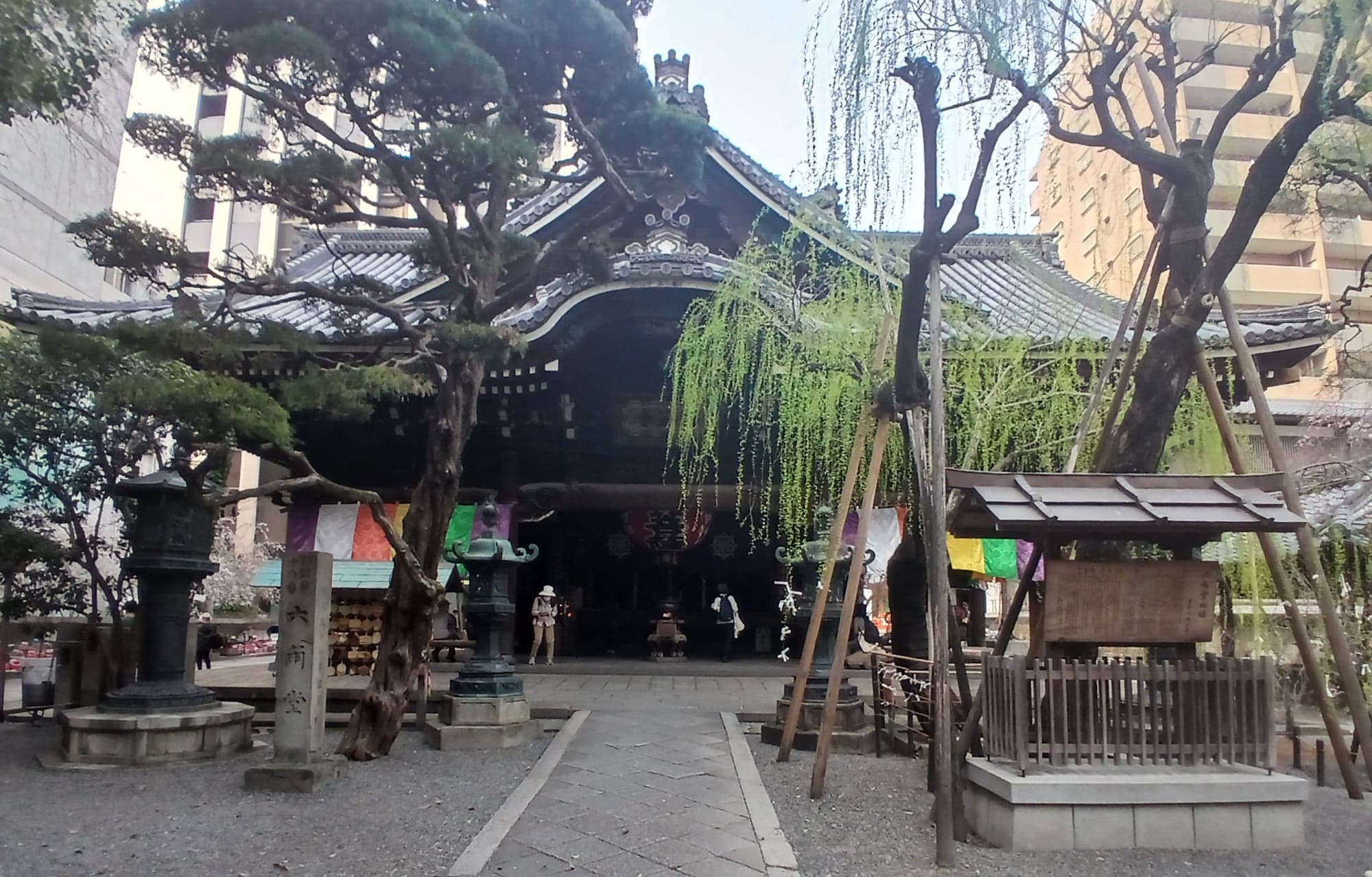
Choho-ji
Buddhistischer Tempel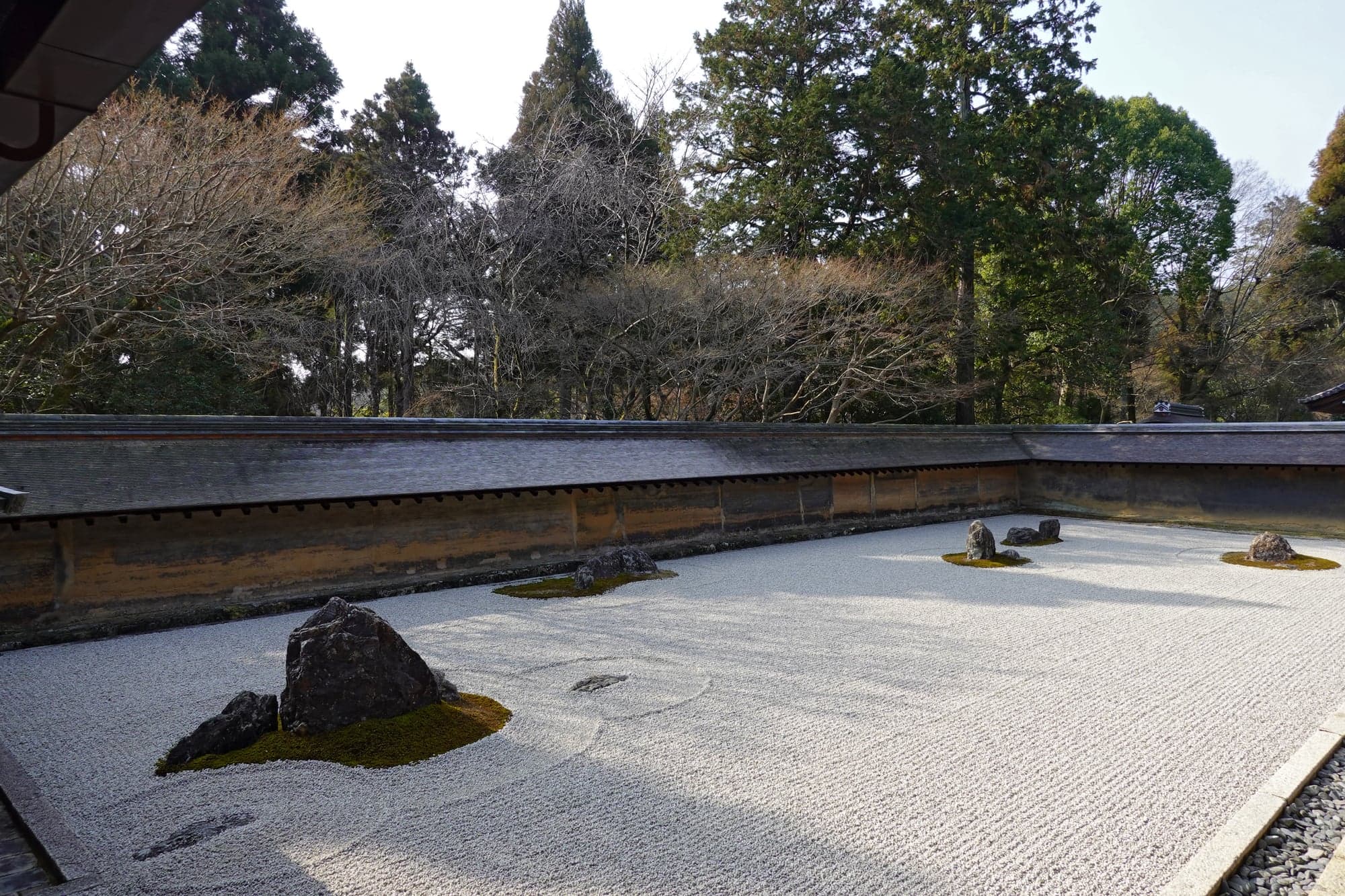
Ryoan-ji
Buddhistischer Tempel
Rokuharamitsu-ji
Buddhistischer Tempel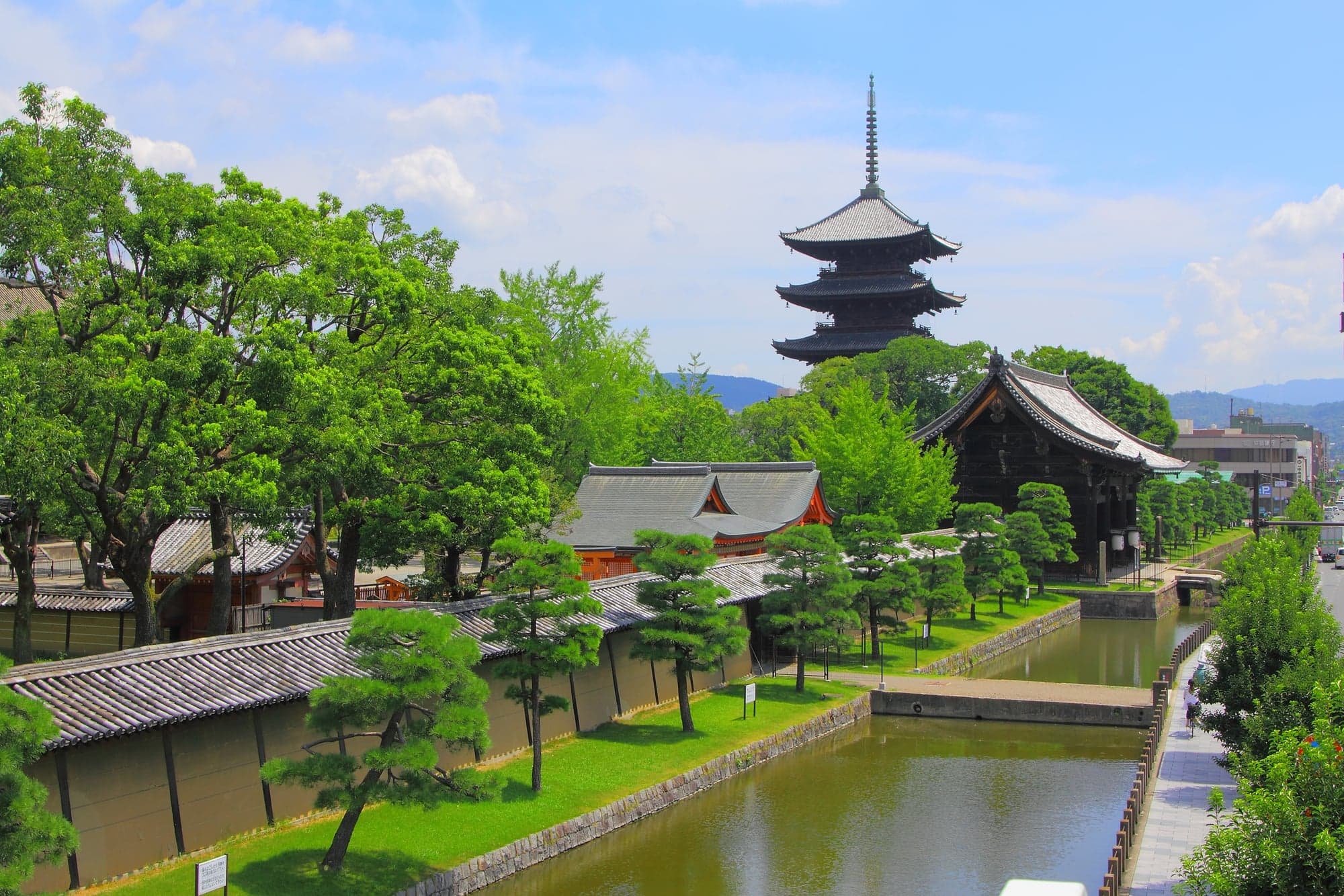
To-ji
Buddhistischer Tempel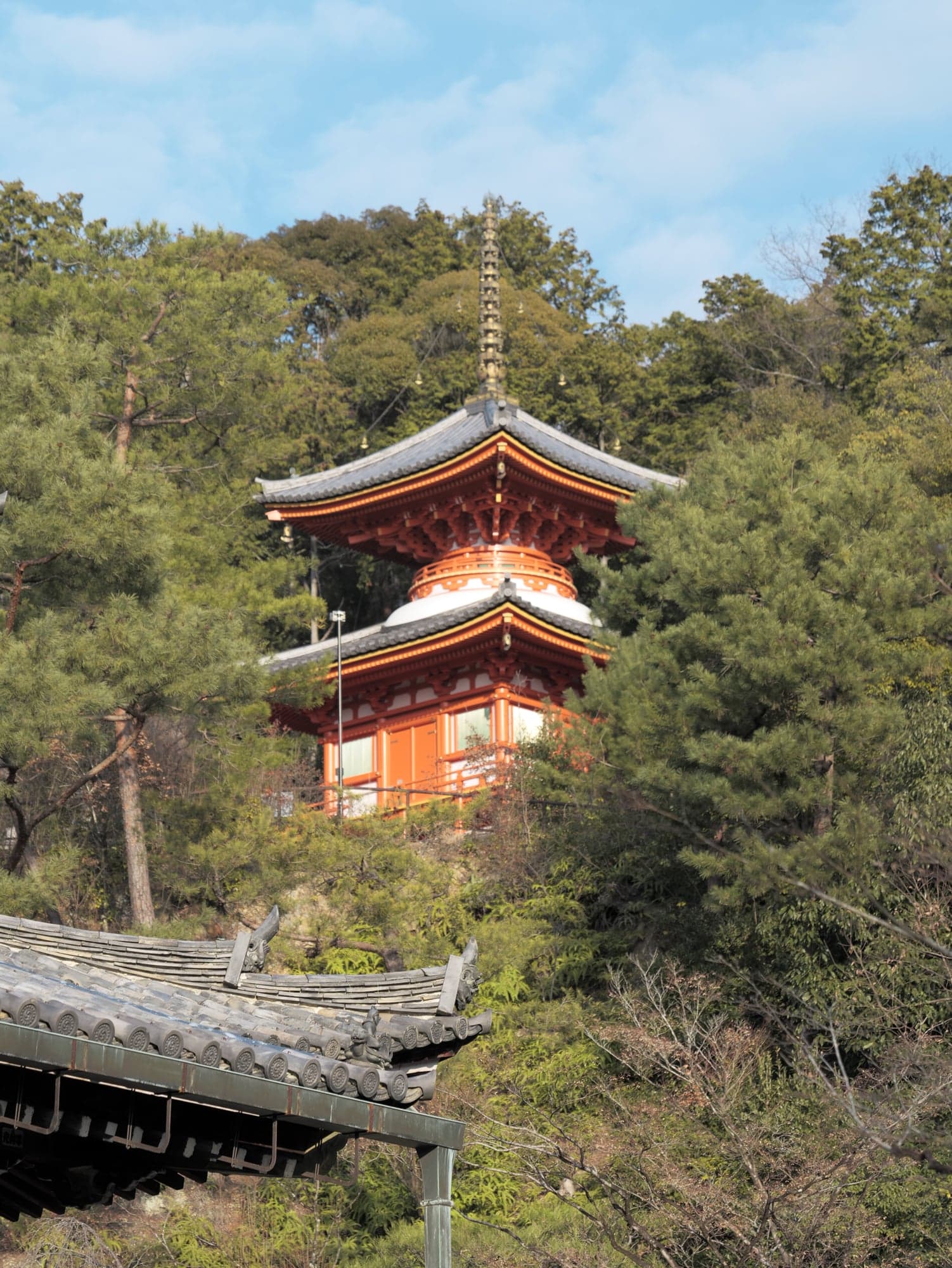
Imakumano Kannon-ji
Buddhistischer Tempel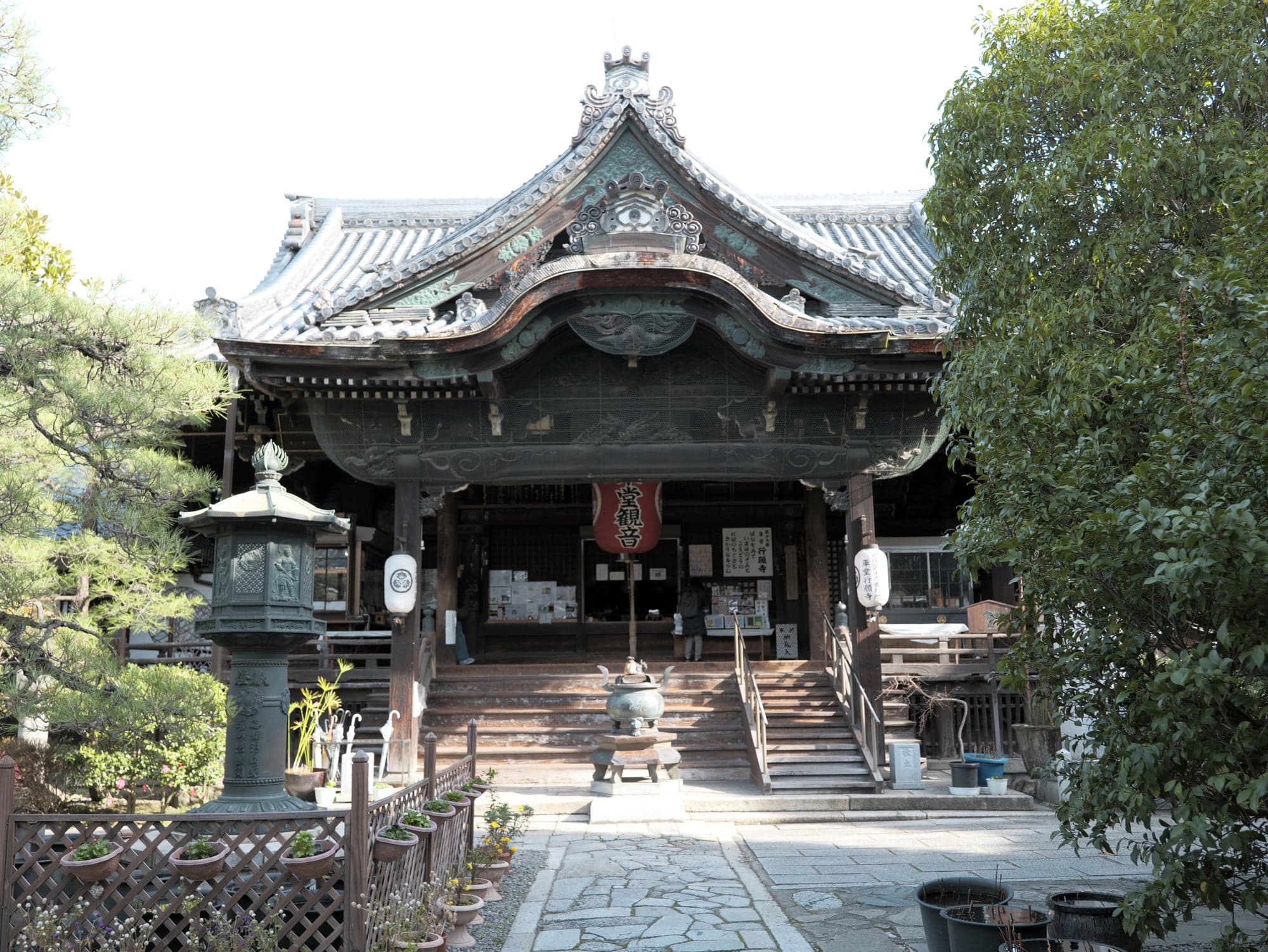
Gyogan-ji
Buddhistischer TempelHistoric Tendai Buddhist temple in central Kyoto, known for its connection to the Saigoku Kannon Pilgrimage. Features traditional architecture and serves as an important place of worship with a peaceful atmosphere in the heart of the city.
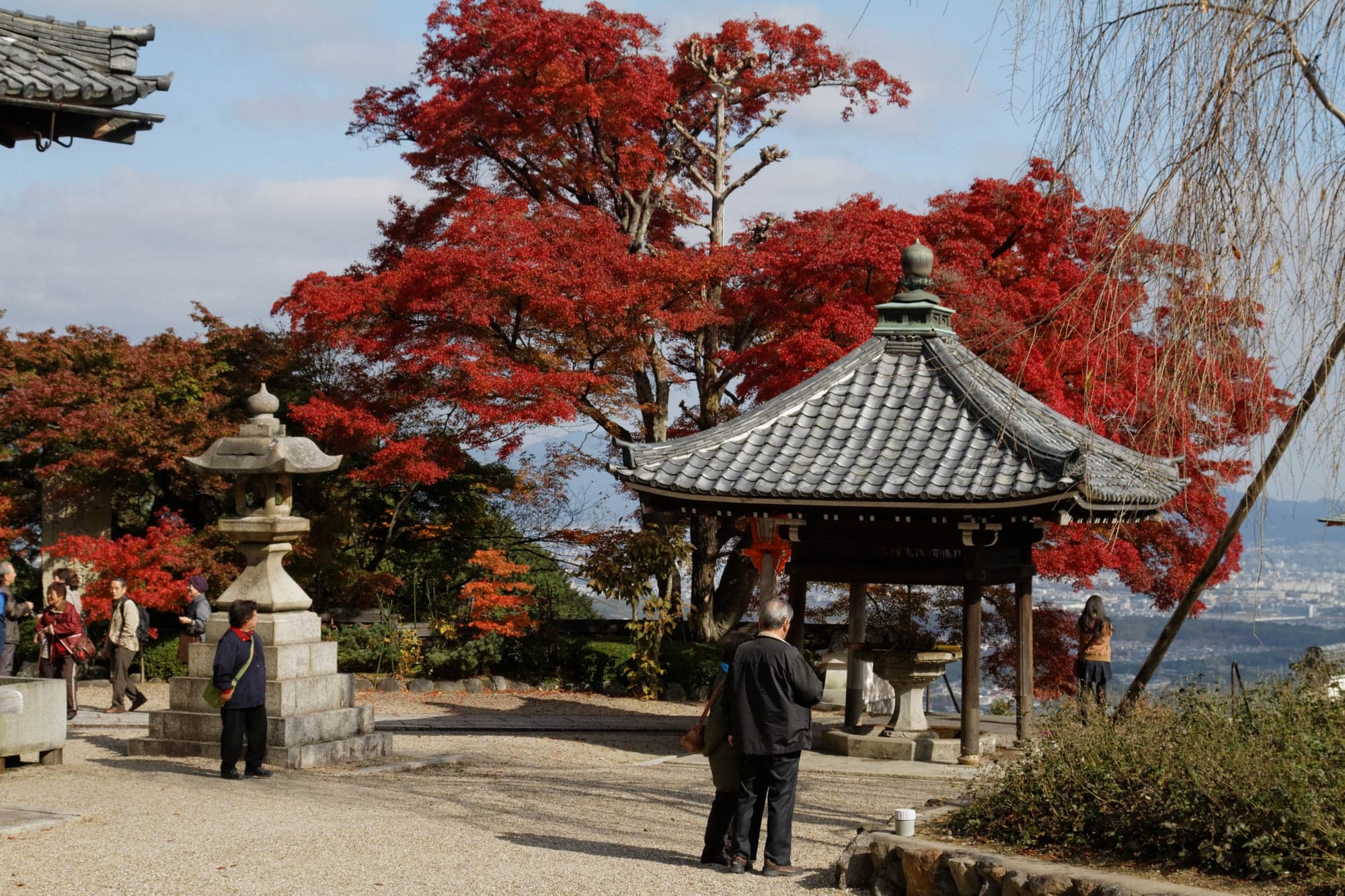
Yoshimine-dera
Buddhistischer TempelAs a Tendai Buddhist temple situated on the mountainside in Nishikyo, Kyoto, Yoshimine‑dera traces its history back to 1029 when the monk Gensan from Enryaku‑ji carved an eleven‑faced Kannon statue and built a small chapel here. Over the centuries the temple gained imperial patronage, receiving additional buildings and another Kannon statue and becoming the 20th temple on the Saigoku Kannon Pilgrimage. Though much of the complex was destroyed during the 15th‑century Ōnin War, it was rebuilt in the Edo period. Today Yoshimine‑dera is known for its terraced grounds with numerous halls, its famous “Gliding Dragon” pine tree trained to grow horizontally, and seasonal flowers such as hydrangeas and autumn maples.
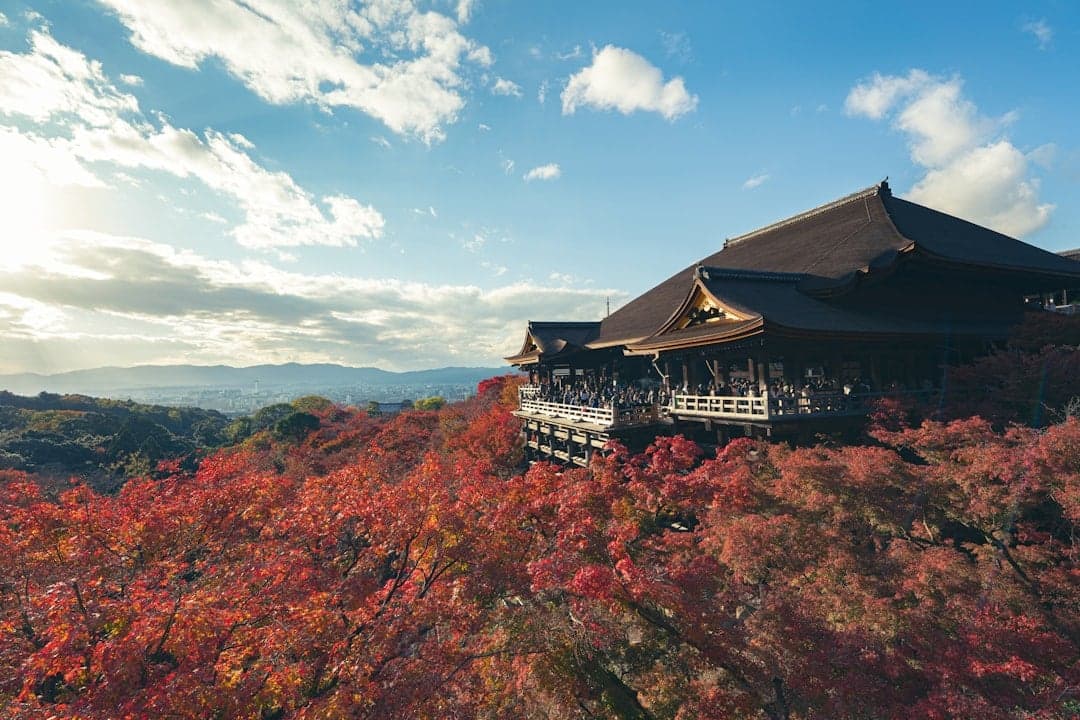
Kiyomizu-dera
Buddhistischer TempelPerched on the eastern hills of Kyoto, Kiyomizu-dera Temple has been a symbol of Buddhist devotion for over twelve centuries. Founded in 778 CE by the priest Enchin, this temple is dedicated to Kannon, the bodhisattva of compassion and mercy, and is part of the Hosso sect.

Gokonomiya
Shinto-SchreinGokōnomiya Shrine in Fushimi Ward is renowned for its sacred spring water, believed to have healing properties. This historic Shinto shrine features beautiful architecture and is particularly popular during cherry blossom season and autumn festivals.
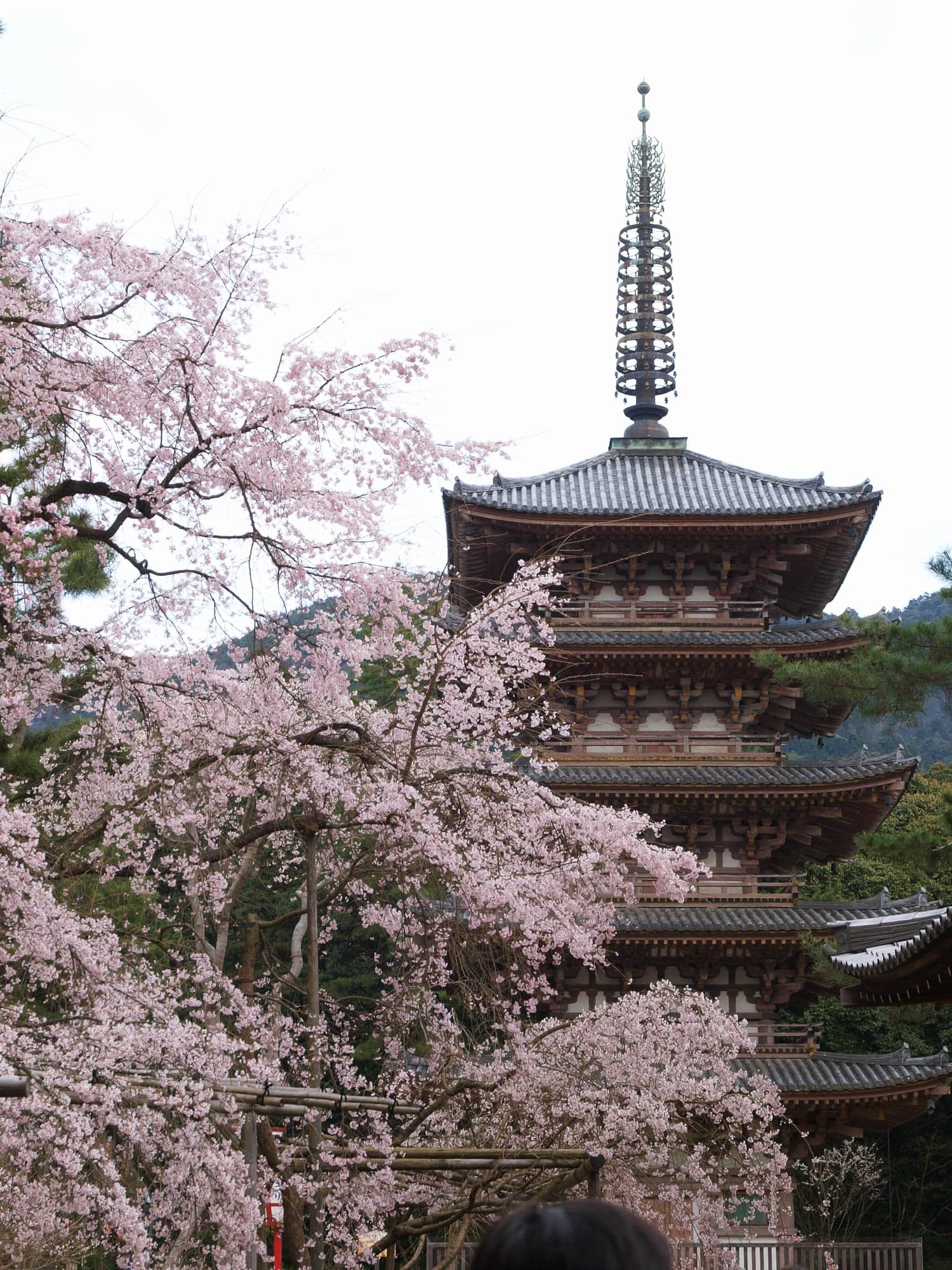
Daigo-ji
Buddhistischer TempelDaigo-ji is a Buddhist temple located in Fushimi-ku, Kyoto, Japan. It is the head temple of the Shingon-shū Daigo-ha sect of Japanese Buddhism and its honzon is a hibutsu statue of Yakushi Nyorai. The temple's full name is Kasatori-yama Daigo-ji.
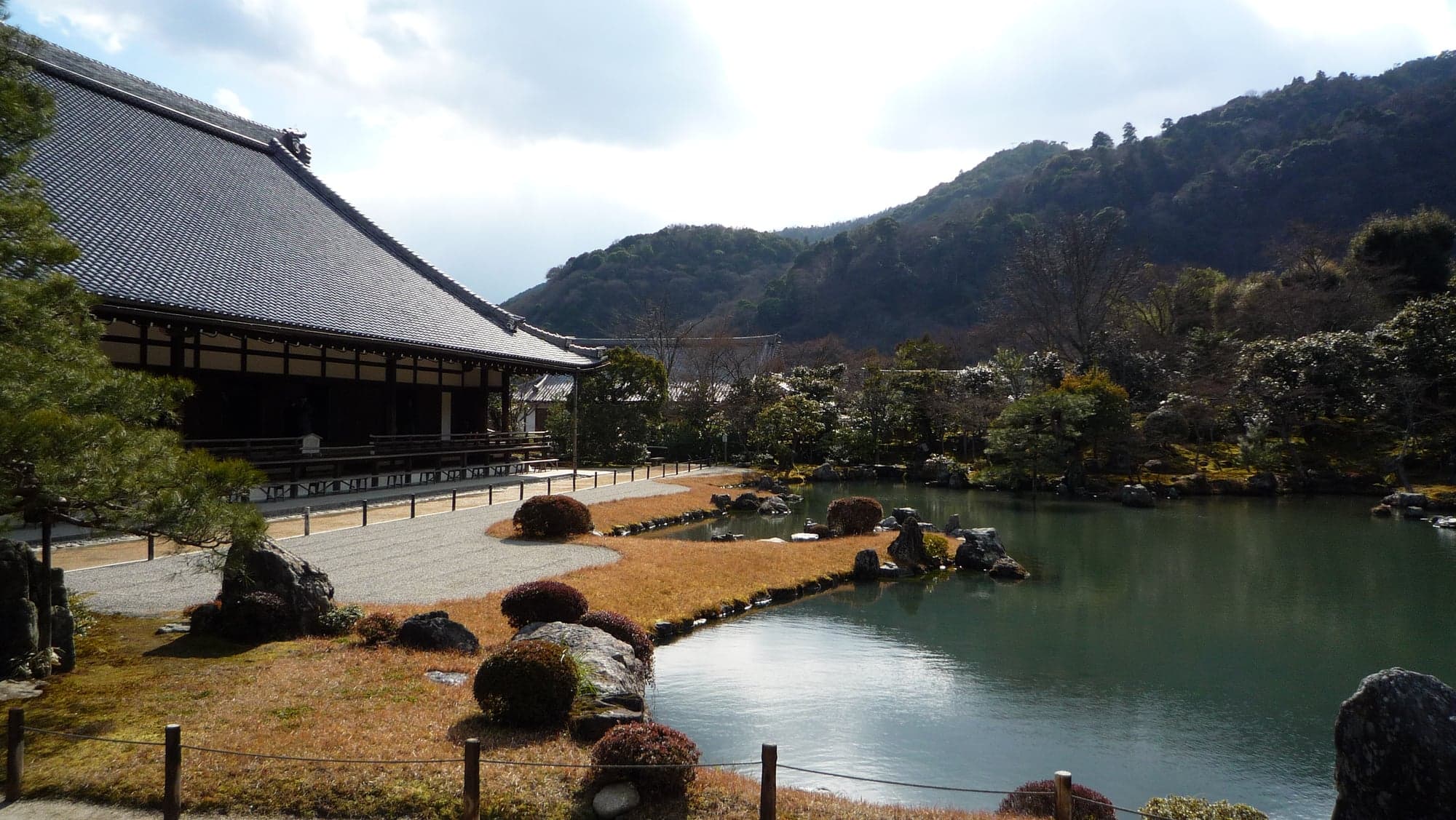
Tenryu-ji
Buddhistischer TempelTenryū-ji, in Susukinobaba-chō, Ukyō Ward, Kyoto, is the head temple of the Tenryū-ji branch of the Rinzai Zen sect. Founded by Ashikaga Takauji in 1339 with Musō Soseki as first chief priest; construction finished in 1345.
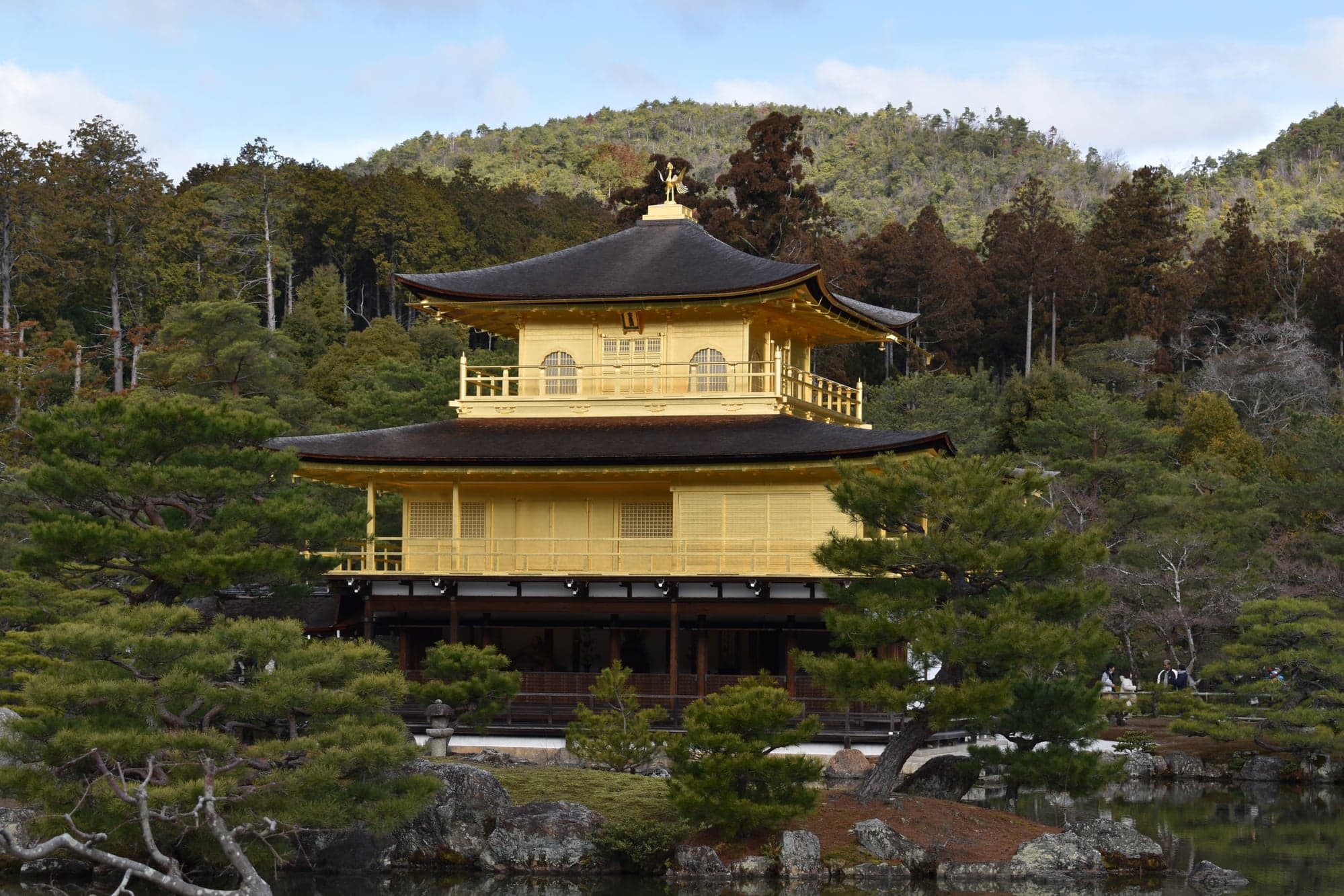
Kinkaku-ji
Buddhistischer TempelKinkaku-ji is a Zen Buddhist temple in Kyoto centered on the Golden Pavilion; it's part of the UNESCO World Heritage "Historic Monuments of Ancient Kyoto". The original burned; the current pavilion, with gold-leafed upper floors, was rebuilt in 1955.
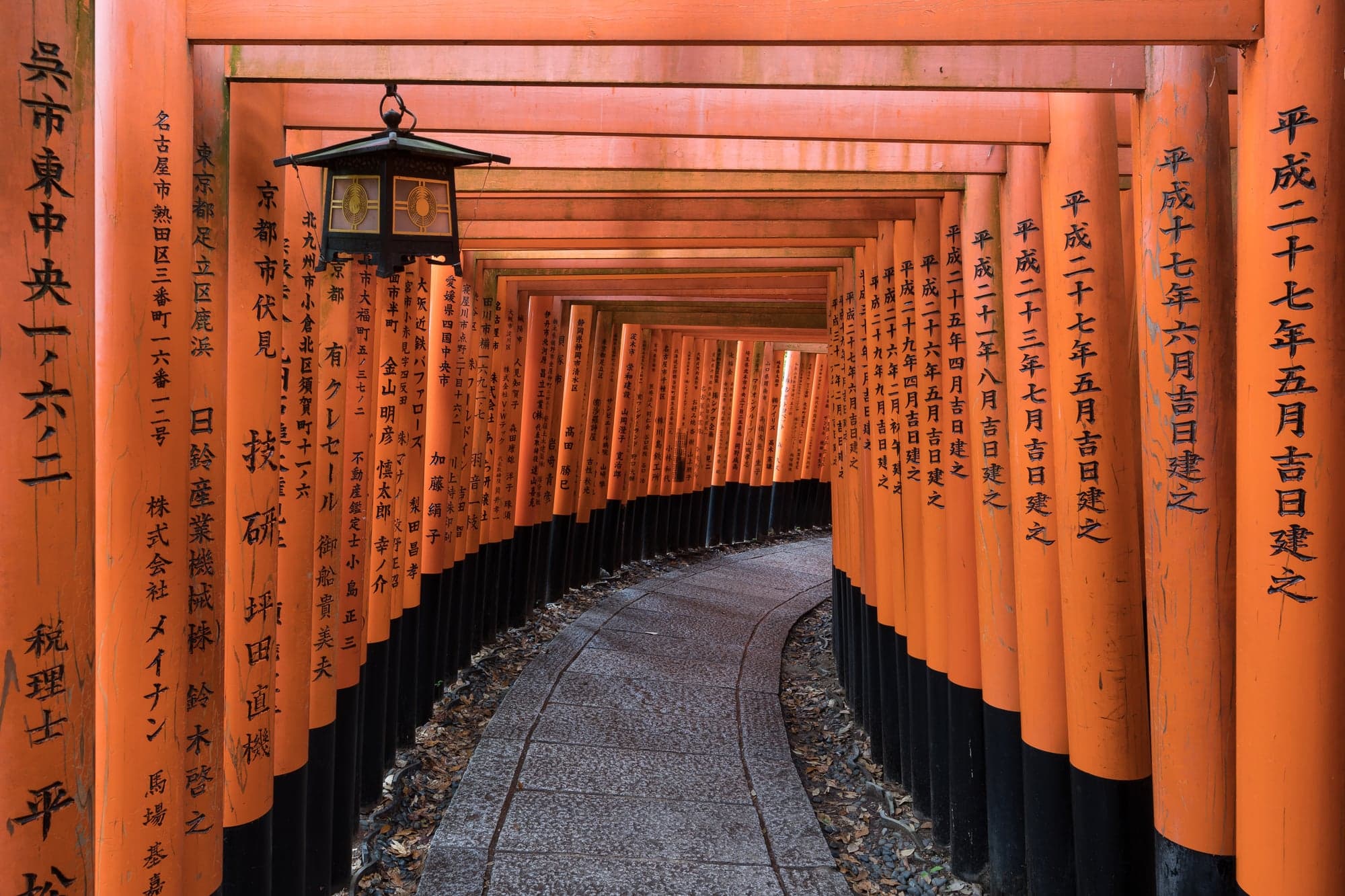
Fushimi Inari Taisha
Shinto-SchreinFushimi Inari Taisha, located in Kyoto, is the head shrine of Inari, the Shinto god of rice, agriculture, and prosperity. Established in 711 AD, it is renowned for its thousands of vermilion torii gates that form pathways up Mount Inari.
Weitere Städte erkunden




Frequently Asked Questions
Wie viele Tempel und Schreine gibt es in Kyoto?
Welche Arten von Goshuin kann ich in Kyoto sammeln?
Sind die Tempel und Schreine in Kyoto für Besucher geöffnet?
Wie verwende ich Goshuin Atlas, um Kyoto zu erkunden?
Ist Goshuin Atlas kostenlos nutzbar?
Planen Sie Ihre Kyoto Tempel-Reise
Erhalten Sie detaillierte Informationen, Offline-Karten, Goshuin-Sammlungsverfolgung und personalisierte Empfehlungen für Ihren Besuch in Kyoto.