
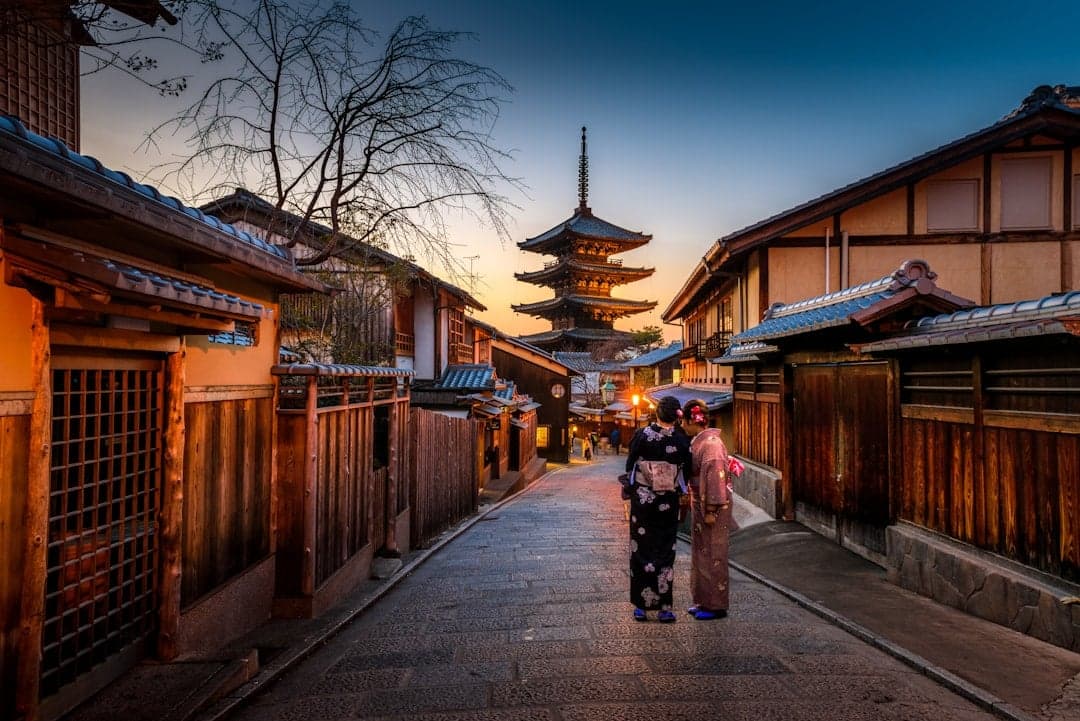
Kyoto
Kyoto est une ville de la préfecture de Kyoto dans la région du Kansai au centre de Honshu. C'est l'ancienne capitale impériale du Japon.
Explorez Kyoto avec Goshuin Atlas
Téléchargez notre application pour découvrir tous les temples et sanctuaires de Kyoto, collecter des tampons goshuin et planifier votre voyage culturel avec des cartes hors ligne et des informations en temps réel.

Temples et Sanctuaires à Kyoto
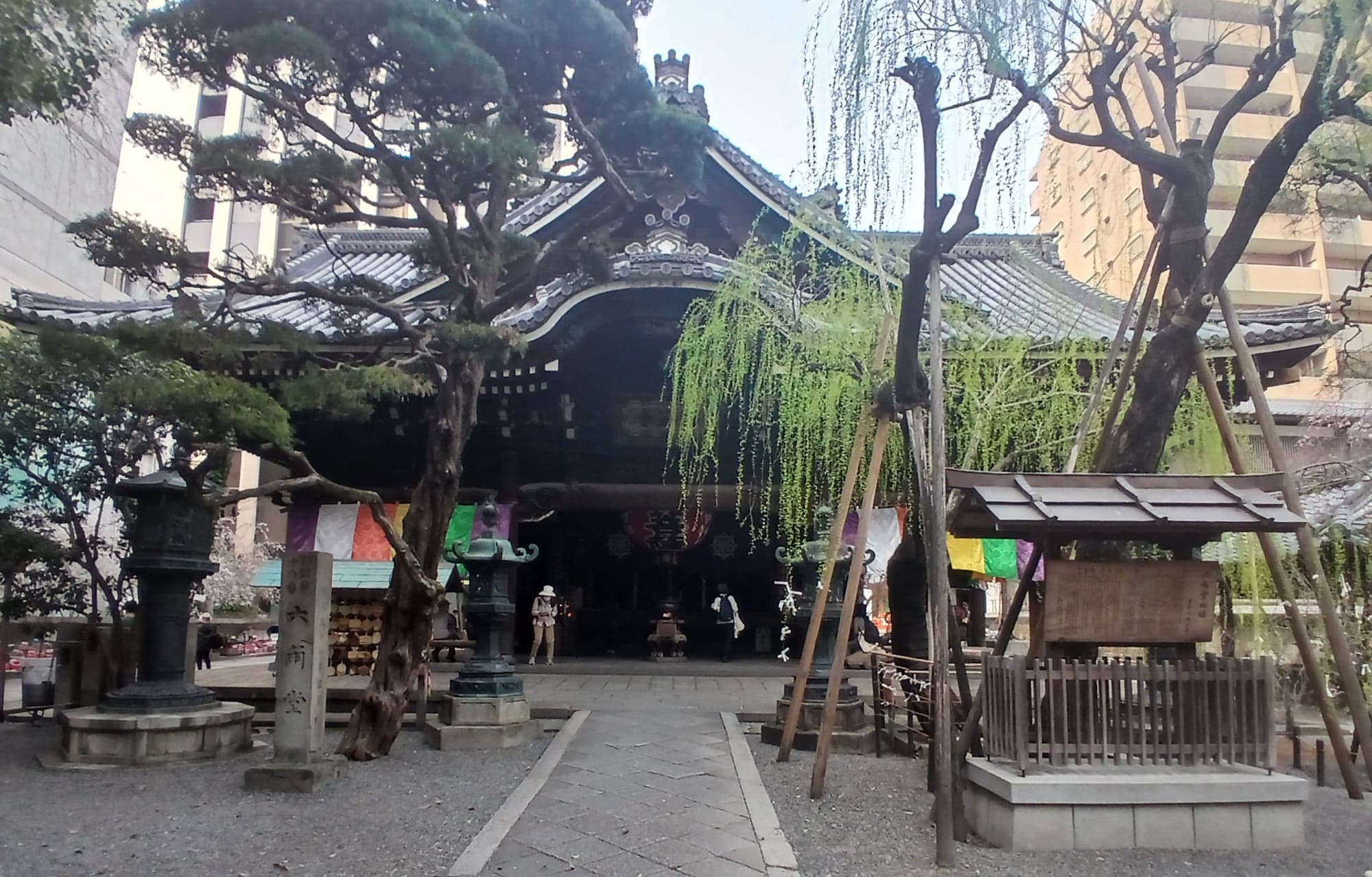
Choho-ji
Temple Bouddhiste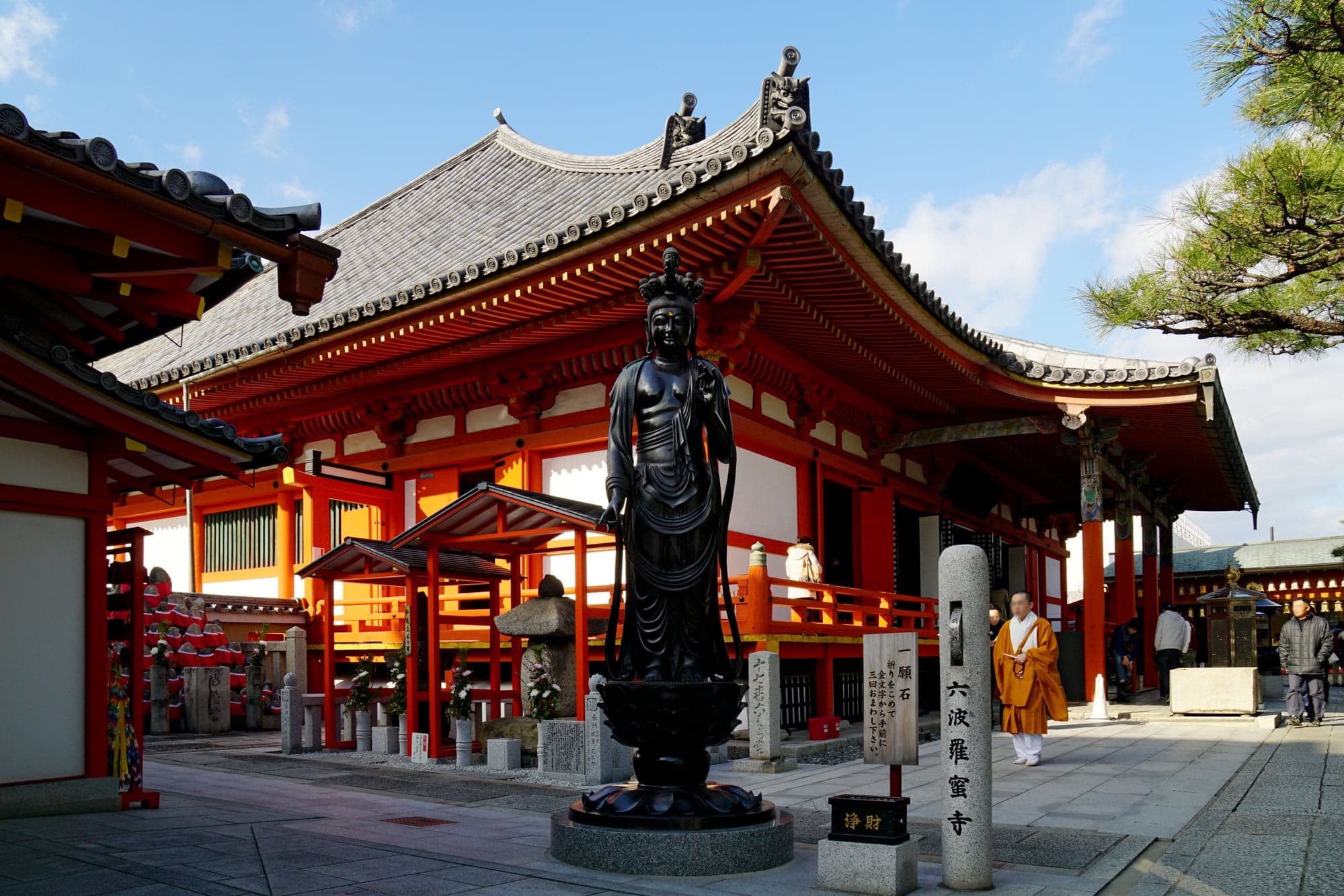
Rokuharamitsu-ji
Temple Bouddhiste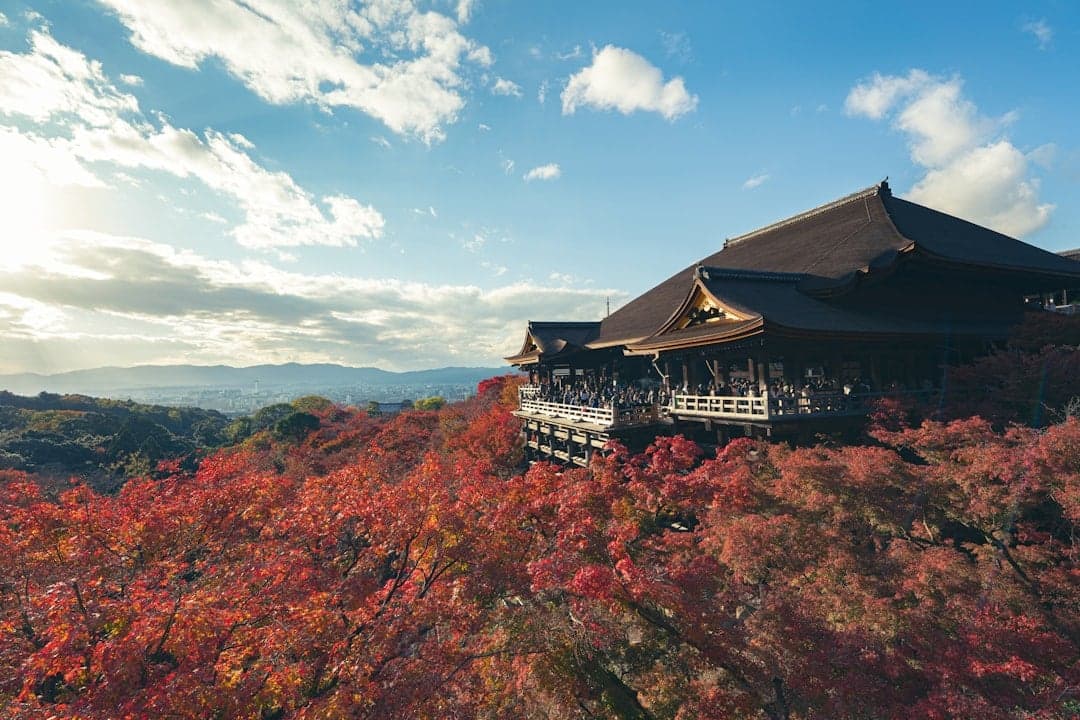
Kiyomizu-dera
Temple BouddhistePerched on the eastern hills of Kyoto, Kiyomizu-dera Temple has been a symbol of Buddhist devotion for over twelve centuries. Founded in 778 CE by the priest Enchin, this temple is dedicated to Kannon, the bodhisattva of compassion and mercy, and is part of the Hosso sect.
Ryoan-ji
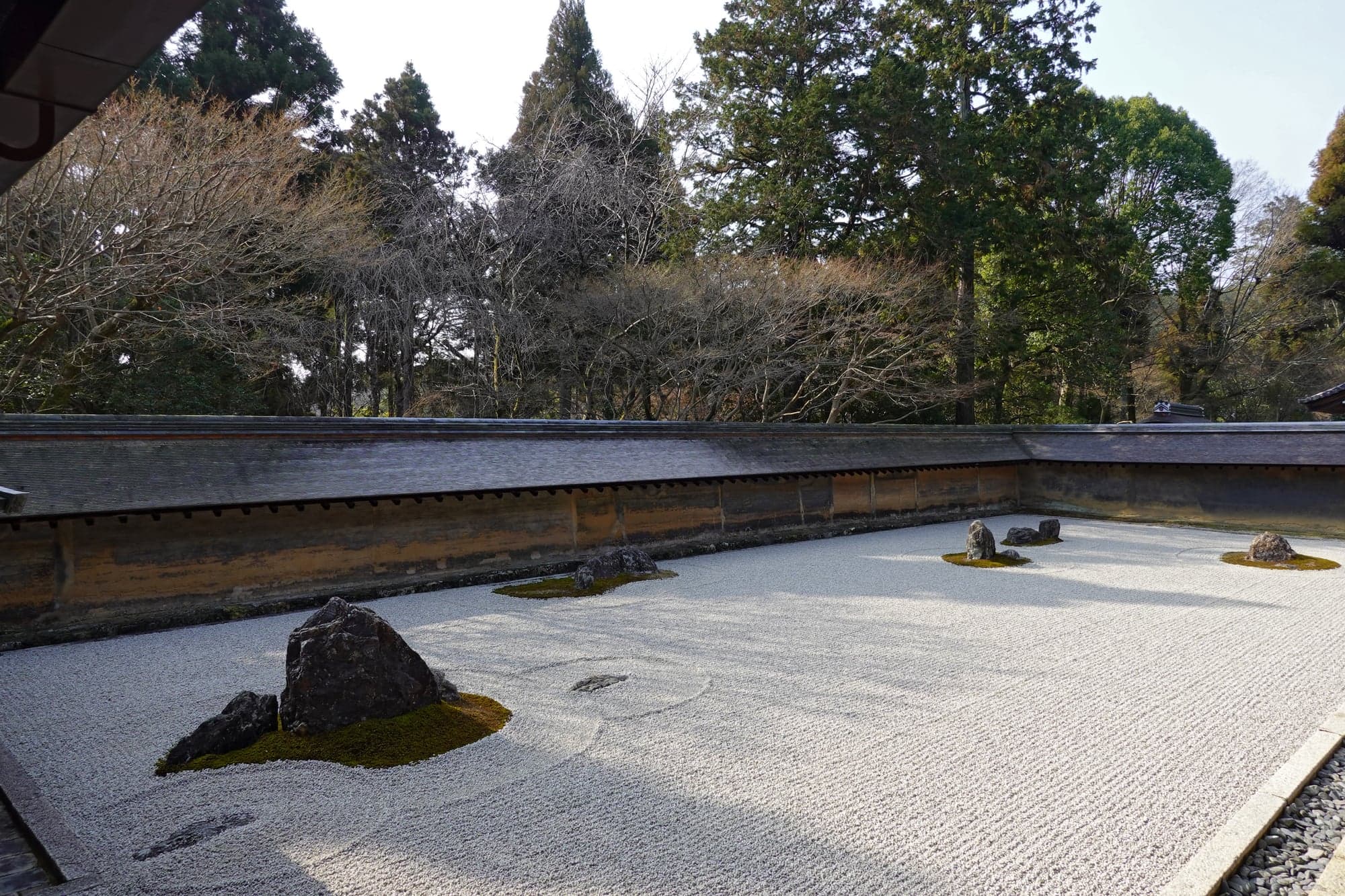
Temple BouddhisteRyōan-ji est un temple zen Rinzai au nord-ouest de Kyoto, fondé en 1450 par Hosokawa Katsumoto sur une ancienne villa. Il est célèbre pour son jardin de pierres sèches kare-sansui et appartient à l'école Myōshin-ji. Ce site fait partie des Monuments historiques de l'ancienne Kyoto, classé au
Tenryu-ji
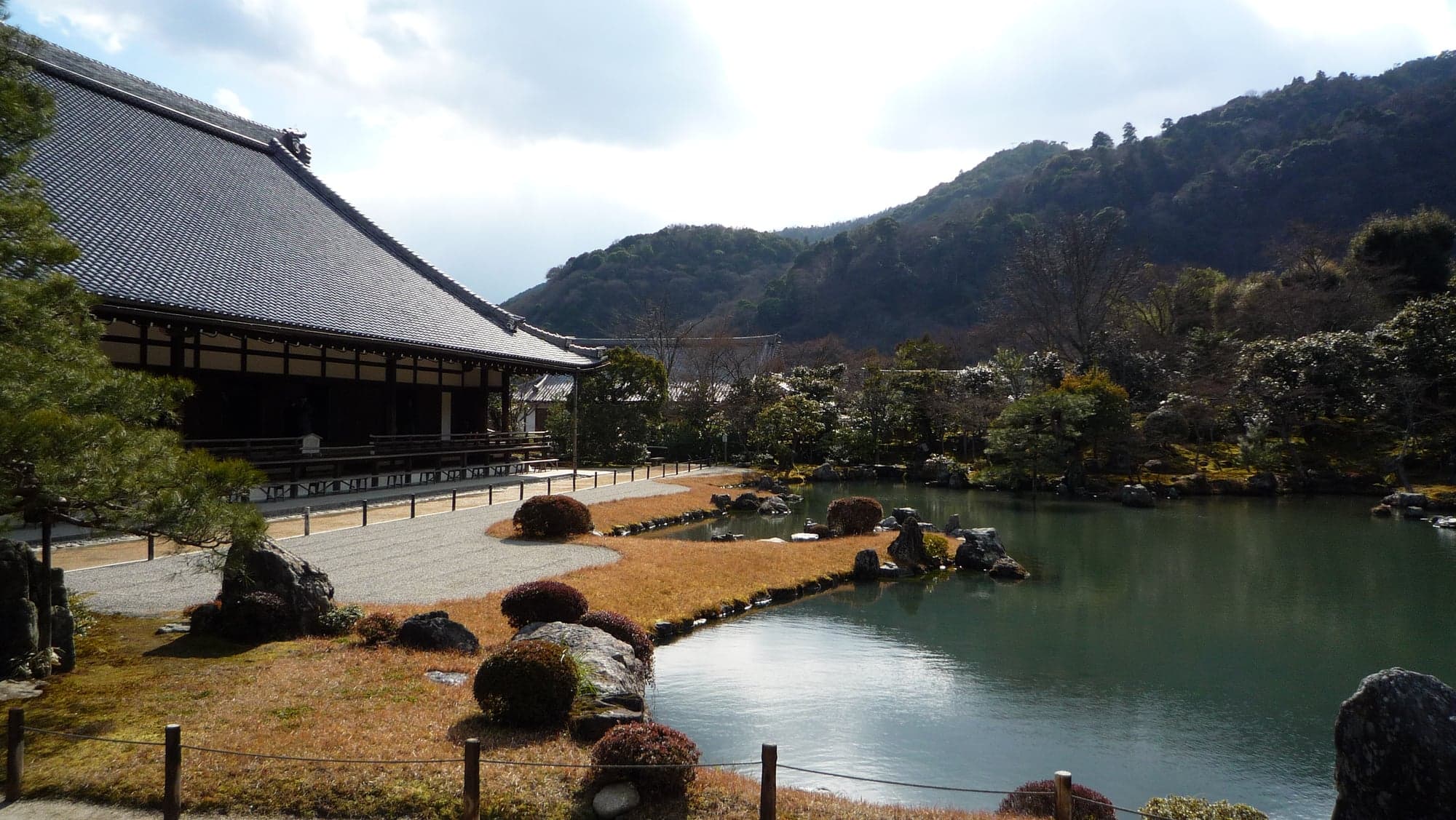
Temple BouddhisteTenryū-ji, in Susukinobaba-chō, Ukyō Ward, Kyoto, is the head temple of the Tenryū-ji branch of the Rinzai Zen sect. Founded by Ashikaga Takauji in 1339 with Musō Soseki as first chief priest; construction finished in 1345.
To-ji
Temple Bouddhiste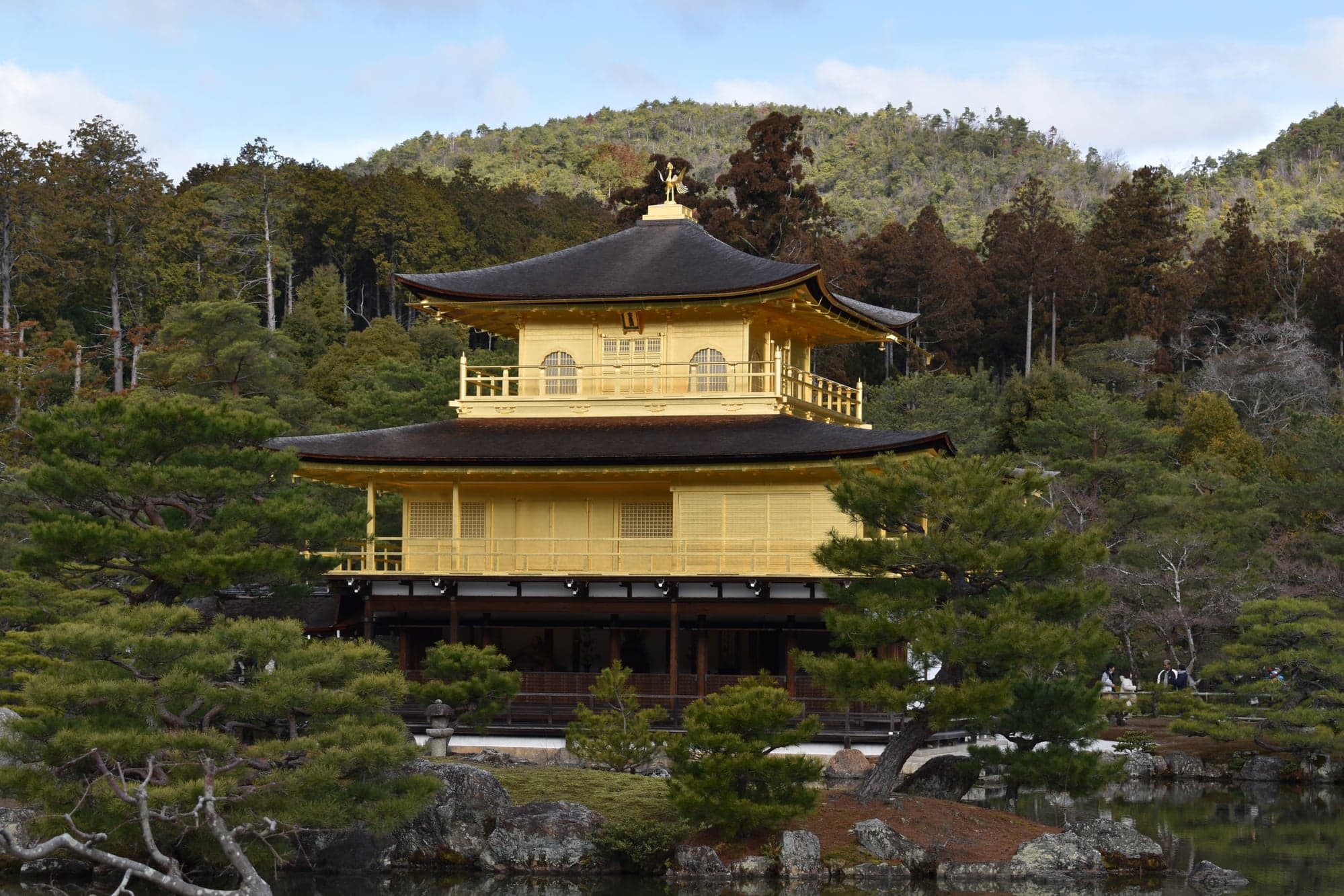
Kinkaku-ji
Temple BouddhisteKinkaku-ji is a Zen Buddhist temple in Kyoto centered on the Golden Pavilion; it's part of the UNESCO World Heritage "Historic Monuments of Ancient Kyoto". The original burned; the current pavilion, with gold-leafed upper floors, was rebuilt in 1955.
Imakumano Kannon-ji
Temple Bouddhiste
Gyogan-ji
Temple BouddhisteHistoric Tendai Buddhist temple in central Kyoto, known for its connection to the Saigoku Kannon Pilgrimage. Features traditional architecture and serves as an important place of worship with a peaceful atmosphere in the heart of the city.
Yoshimine-dera
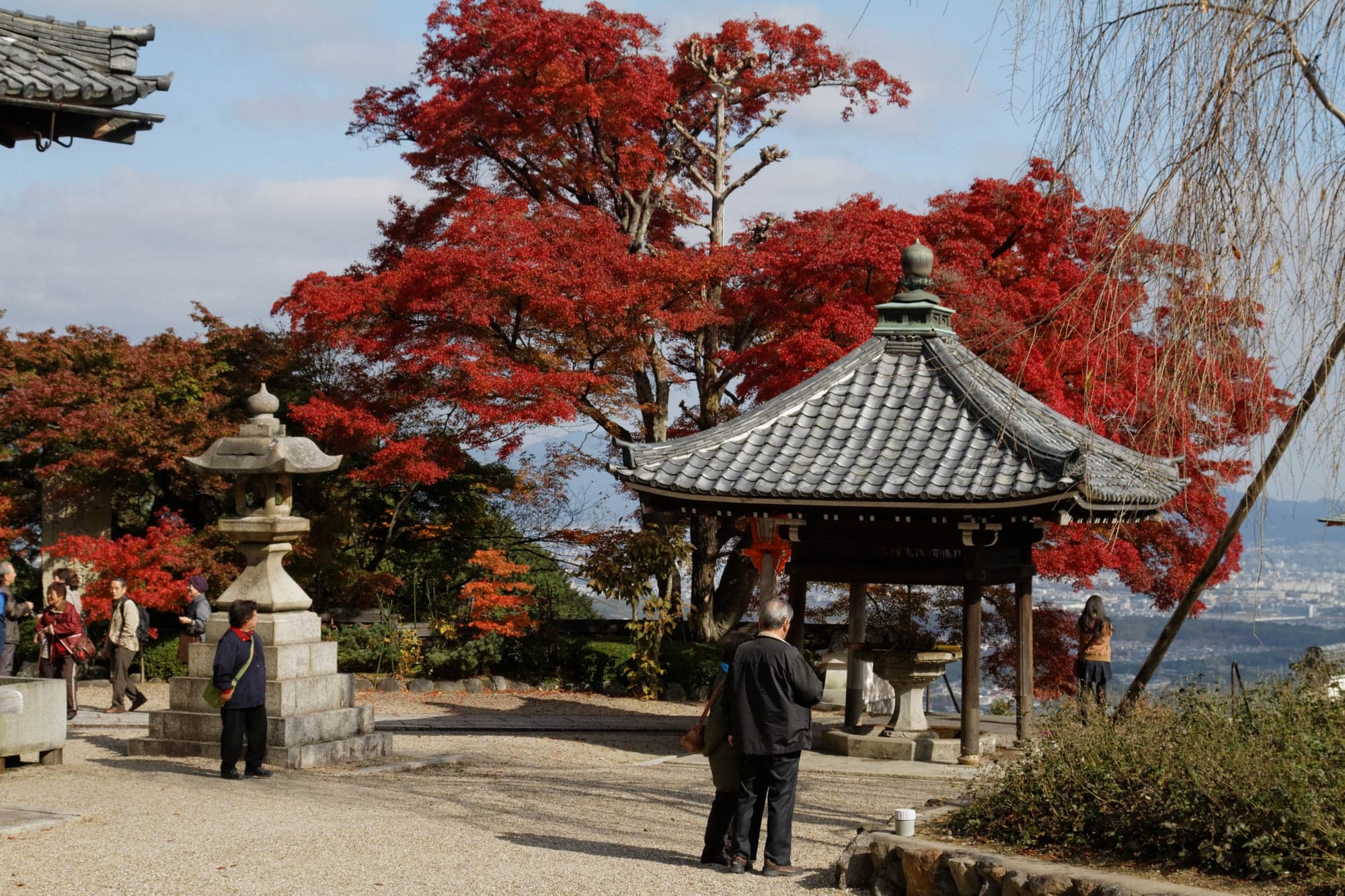
Temple BouddhisteAs a Tendai Buddhist temple situated on the mountainside in Nishikyo, Kyoto, Yoshimine‑dera traces its history back to 1029 when the monk Gensan from Enryaku‑ji carved an eleven‑faced Kannon statue and built a small chapel here. Over the centuries the temple gained imperial patronage, receiving additional buildings and another Kannon statue and becoming the 20th temple on the Saigoku Kannon Pilgrimage. Though much of the complex was destroyed during the 15th‑century Ōnin War, it was rebuilt in the Edo period. Today Yoshimine‑dera is known for its terraced grounds with numerous halls, its famous “Gliding Dragon” pine tree trained to grow horizontally, and seasonal flowers such as hydrangeas and autumn maples.

Gokonomiya
Sanctuaire ShintoGokōnomiya Shrine in Fushimi Ward is renowned for its sacred spring water, believed to have healing properties. This historic Shinto shrine features beautiful architecture and is particularly popular during cherry blossom season and autumn festivals.
Daigo-ji
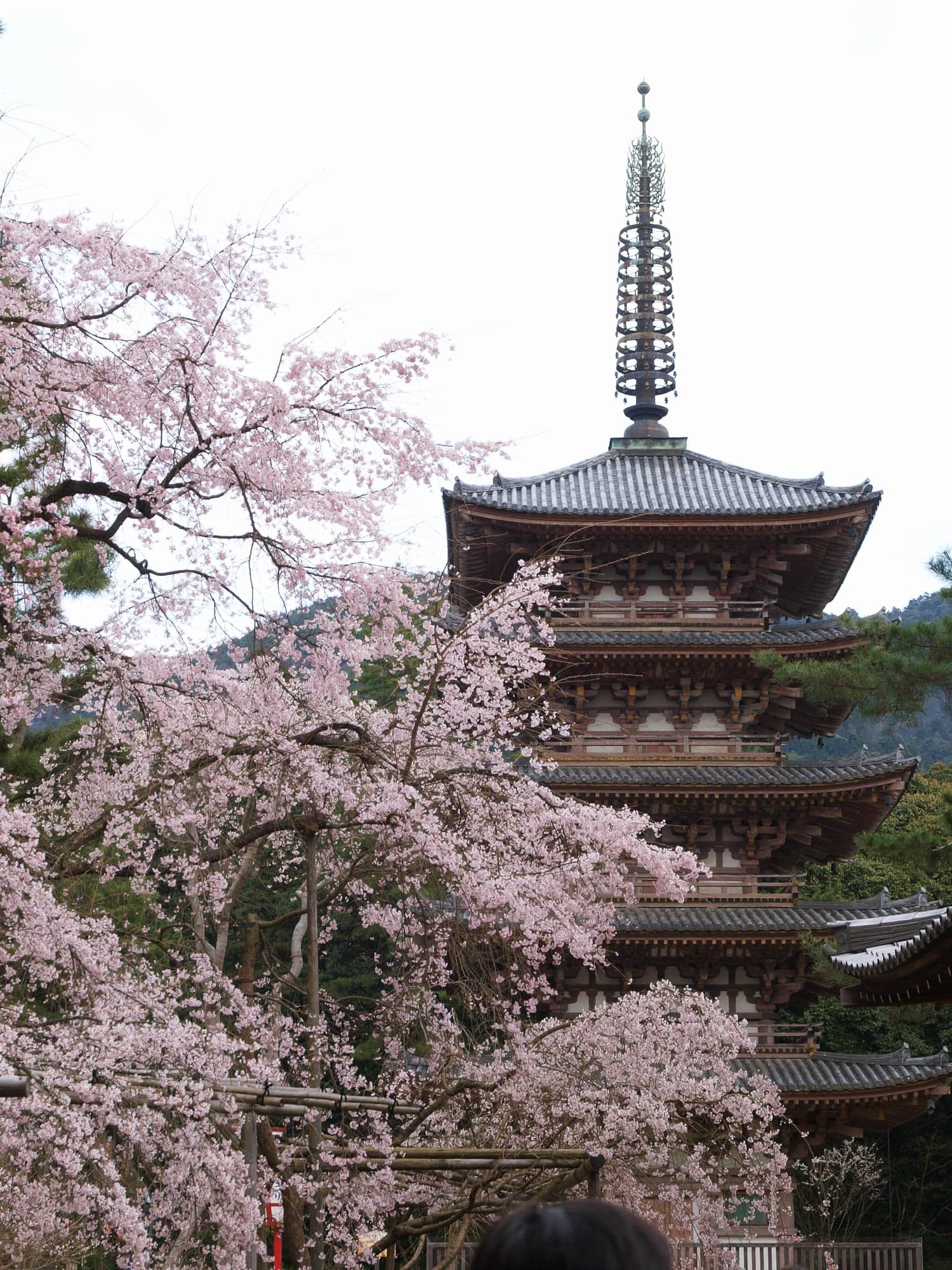
Temple BouddhisteDaigo-ji is a Buddhist temple located in Fushimi-ku, Kyoto, Japan. It is the head temple of the Shingon-shū Daigo-ha sect of Japanese Buddhism and its honzon is a hibutsu statue of Yakushi Nyorai. The temple's full name is Kasatori-yama Daigo-ji.
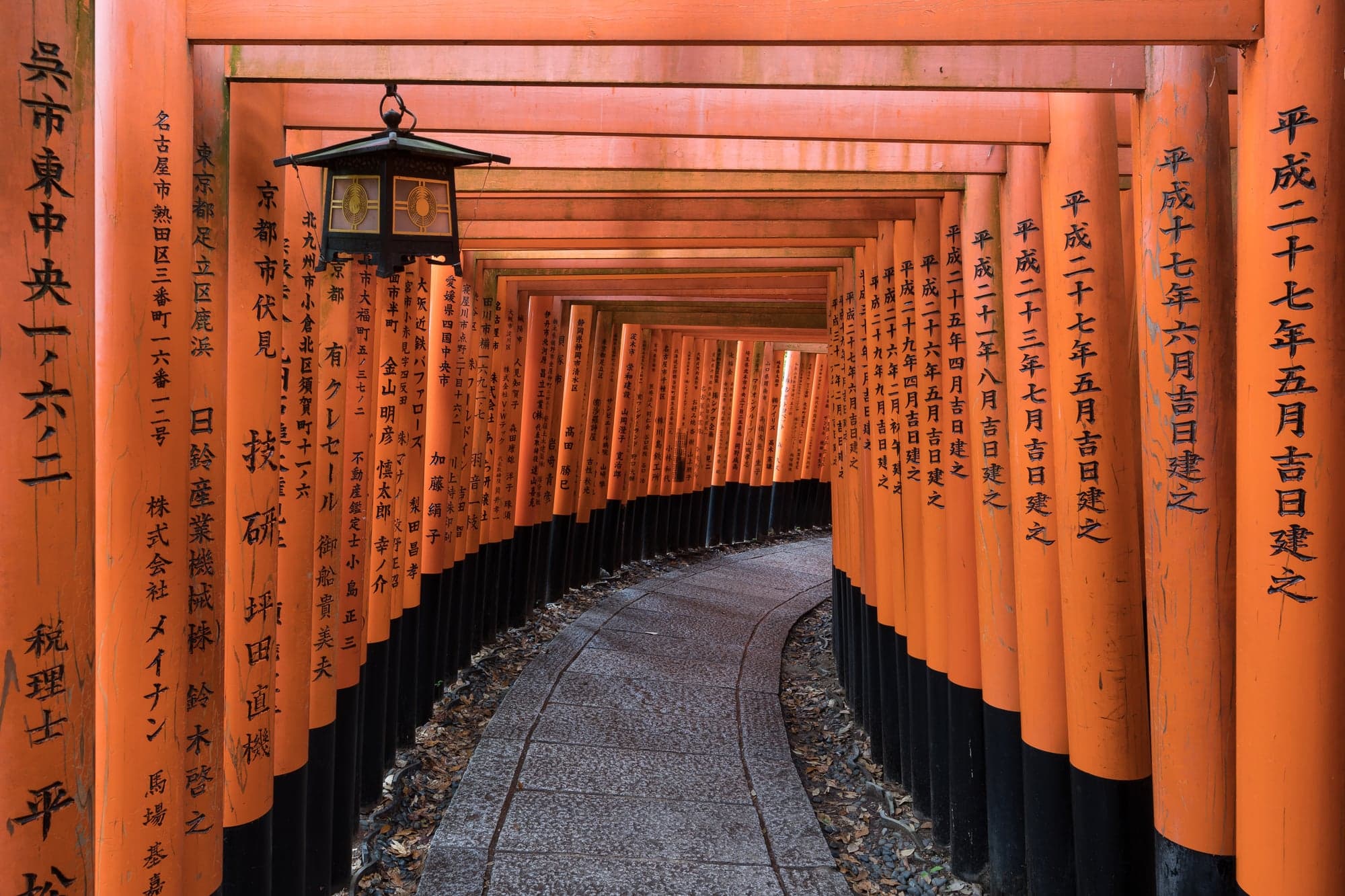
Fushimi Inari Taisha
Sanctuaire ShintoFushimi Inari Taisha, situé à Kyoto, est le sanctuaire principal d'Inari, le dieu shinto de la riz, de l'agriculture et de la prospérité. Établi en 711 après J.-C., il est célèbre pour ses milliers de torii vermillon qui forment des chemins jusqu'au mont Inari.
Frequently Asked Questions
Combien de temples et sanctuaires y a-t-il à Kyoto ?
Quels types de goshuin puis-je collecter à Kyoto ?
Les temples et sanctuaires de Kyoto sont-ils ouverts aux visiteurs ?
Comment utiliser Goshuin Atlas pour explorer Kyoto ?
Goshuin Atlas est-il gratuit à utiliser ?
Planifiez Votre Voyage aux Temples de Kyoto
Obtenez des informations détaillées, des cartes hors ligne, le suivi de votre collection de goshuin et des recommandations personnalisées pour votre visite à Kyoto.