
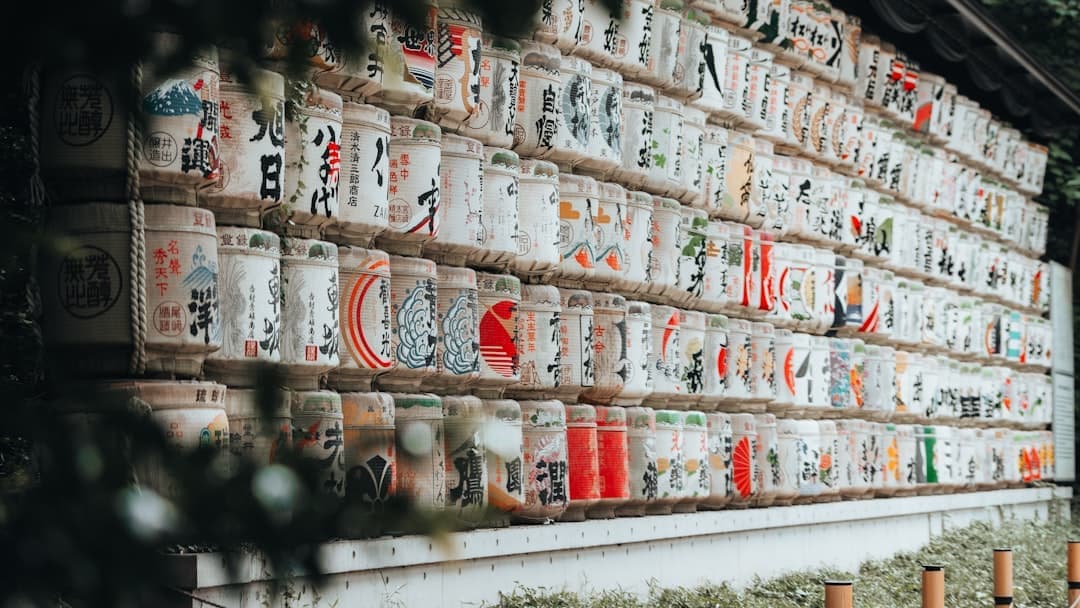
Nihonbashi Sieben Glücksgötter
Folgen Sie der Shichifukujin-Route in Nihonbashi, um 7 Tempel und Schreine im alten Handelsviertel Tokios zu besuchen. Treffen Sie die Glücksgötter, sammeln Sie Goshuin und entdecken Sie Edo-Geschichte zwischen Brücken und Gassen.
Verfolgen Sie Ihre Nihonbashi Sieben Glücksgötter Reise
Laden Sie Goshuin Atlas herunter, um Ihren Fortschritt auf der Nihonbashi Sieben Glücksgötter Route zu verfolgen, Goshuin-Stempel an jedem Tempel zu sammeln und auf Offline-Karten für Ihre spirituelle Reise zuzugreifen.

Routeninformationen
Gesamt Tempel
7
Tempel auf Nihonbashi Sieben Glücksgötter Route

Koami
Shinto-SchreinFounded in 1466 to end a plague, this compact shrine miraculously survived WWII firebombing. Famous as Tokyo's premier financial fortune shrine, visitors wash money at the Zeniarai-no-I well and pray to Benzaiten for wealth and prosperity. Features exquisite dragon carvings.
Tempel-Details ansehen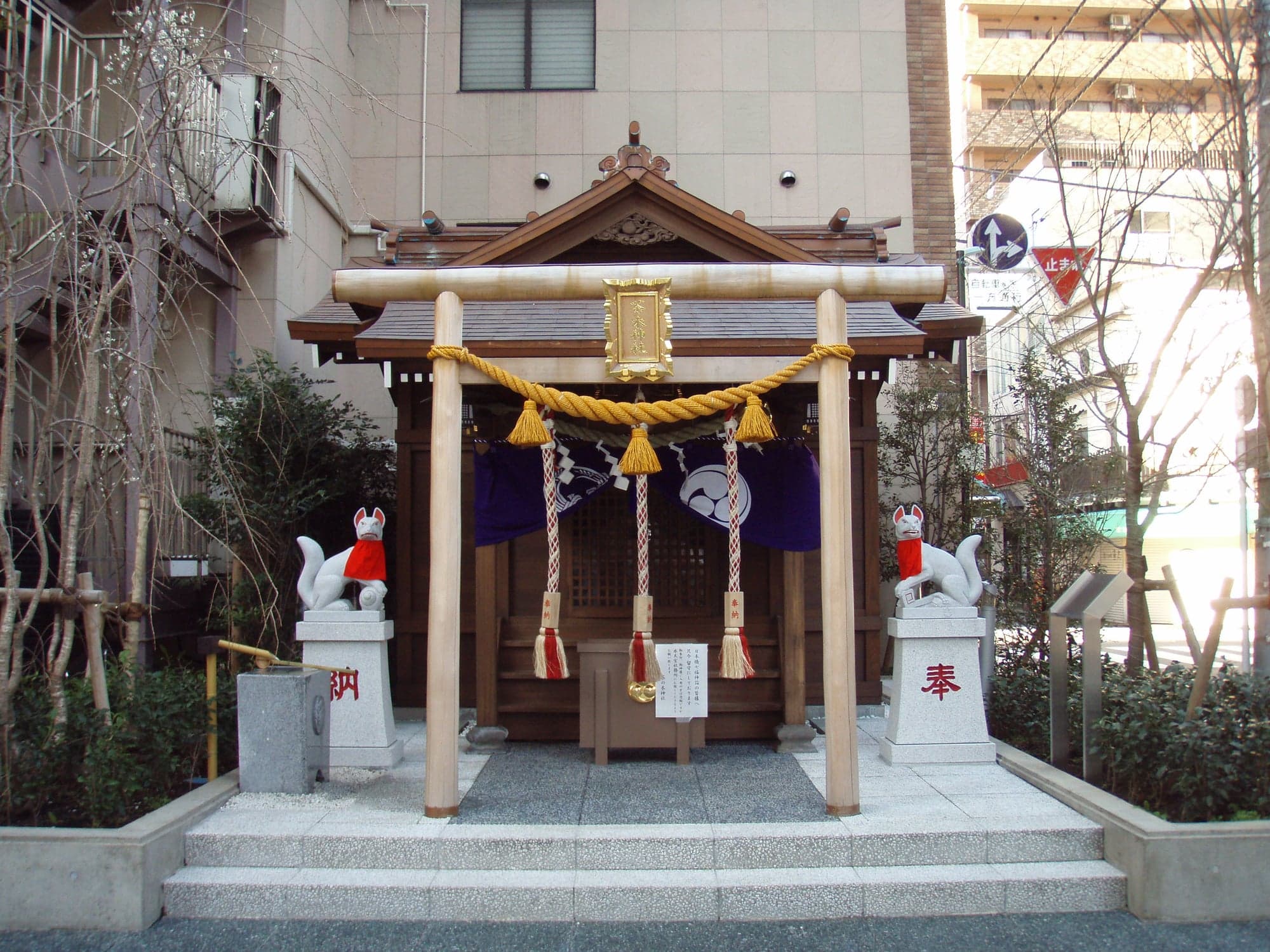
Chanoki
Shinto-SchreinA serene Shinto shrine in Nihonbashi dedicated to Ukanomitama and Hotei, one of the Seven Lucky Gods. Originally enshrined as the guardian deity of the Sakura Domain residence, it was rebuilt in 2008 after subway construction and is revered as a god of fire prevention.
Tempel-Details ansehen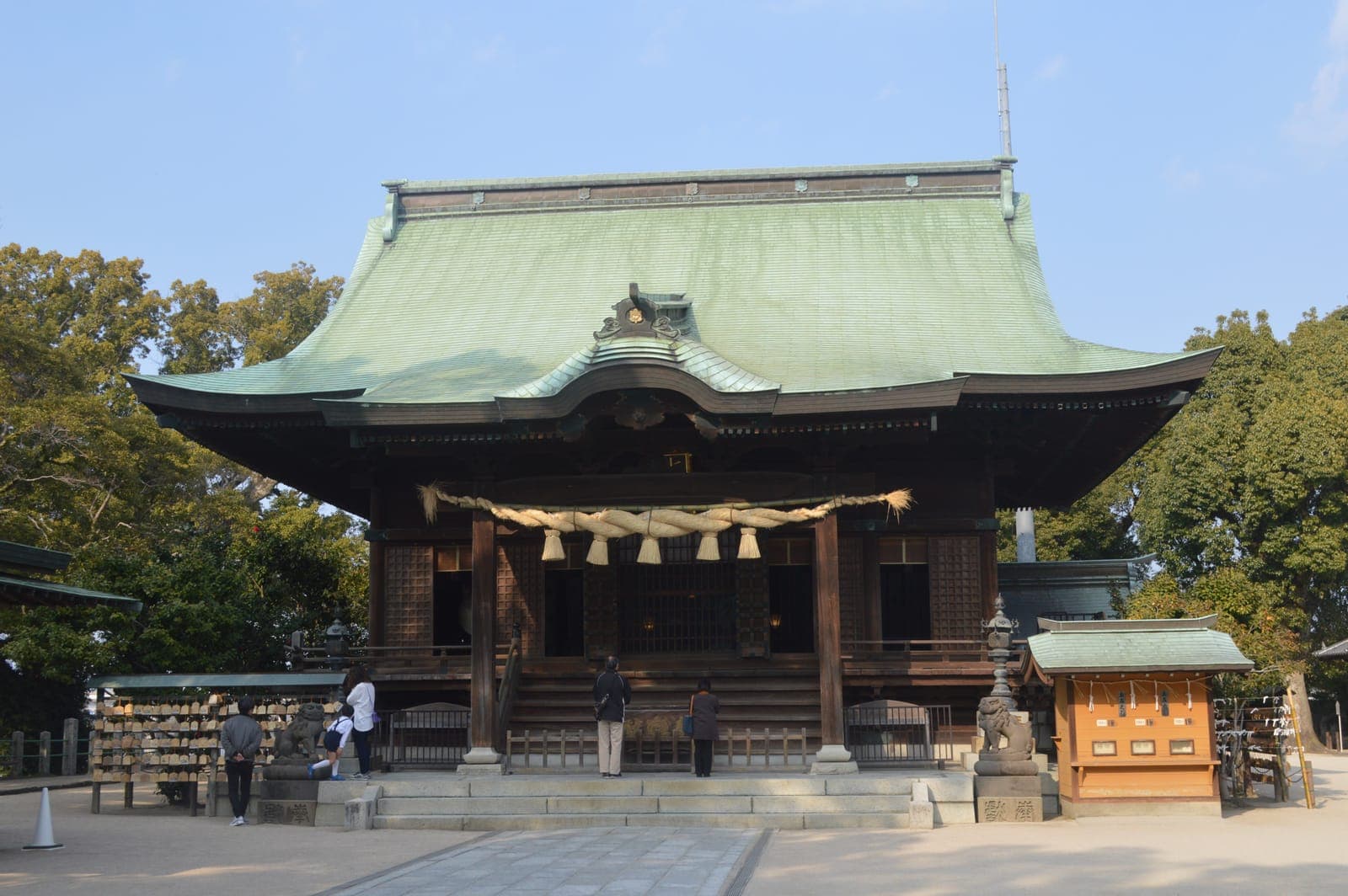
Suitengo
Shinto-SchreinA Shinto shrine in Tokyo's Nihonbashi district dedicated to safe childbirth and child-rearing. Popular among expectant mothers, it features a modern building completed in 2016 with rooftop gardens and traditional worship spaces.
Tempel-Details ansehen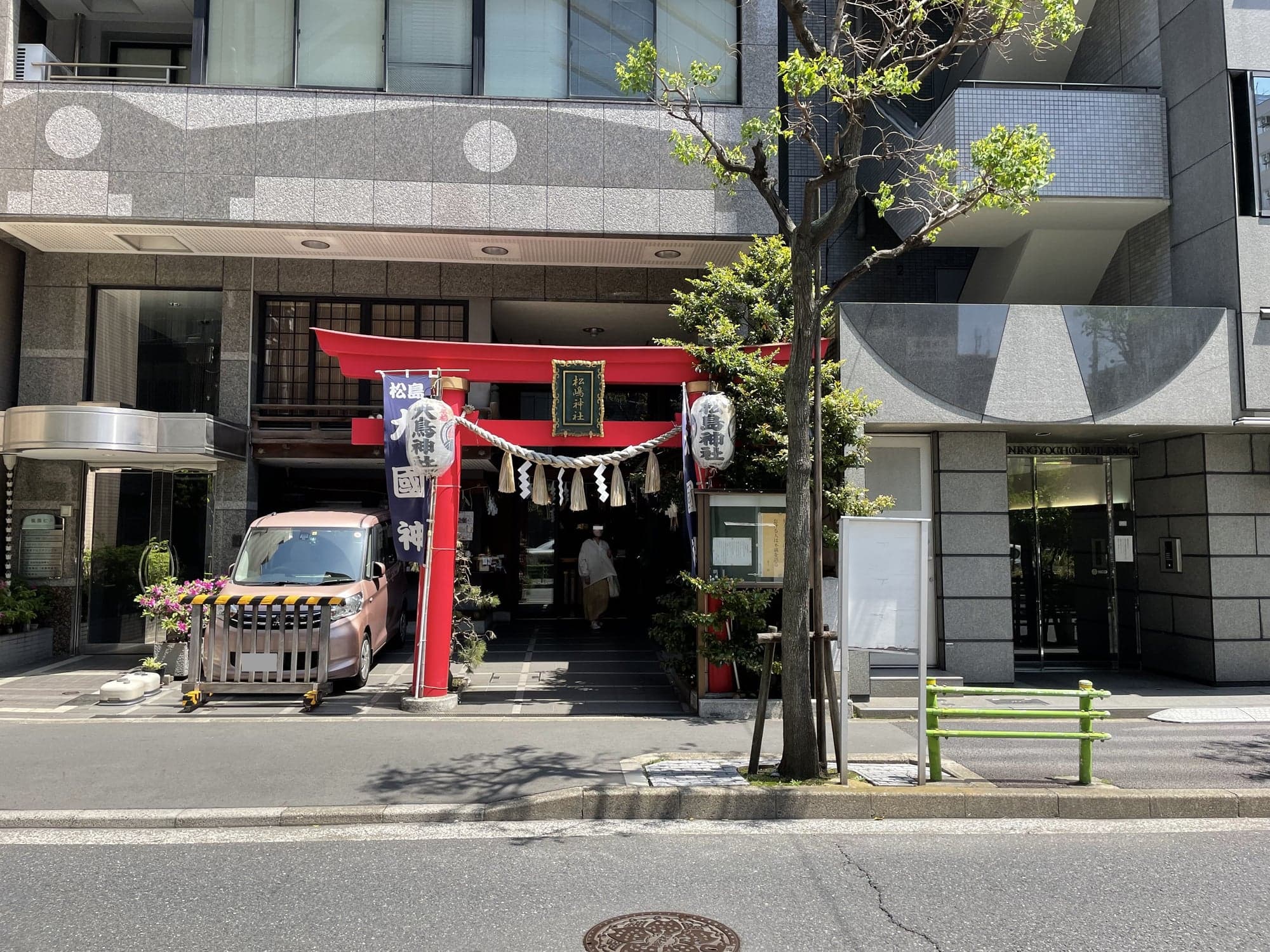
Matsushima-Jinga
Shinto-SchreinA small Tokyo shrine in Nihonbashi Ningyocho dedicated to Daikokuten, one of the Seven Lucky Gods. Known locally as Otori-sama, it hosts the popular Tori no Ichi festival in November. The shrine enshrines 14 deities and is believed to bring prosperity and good fortune.
Tempel-Details ansehen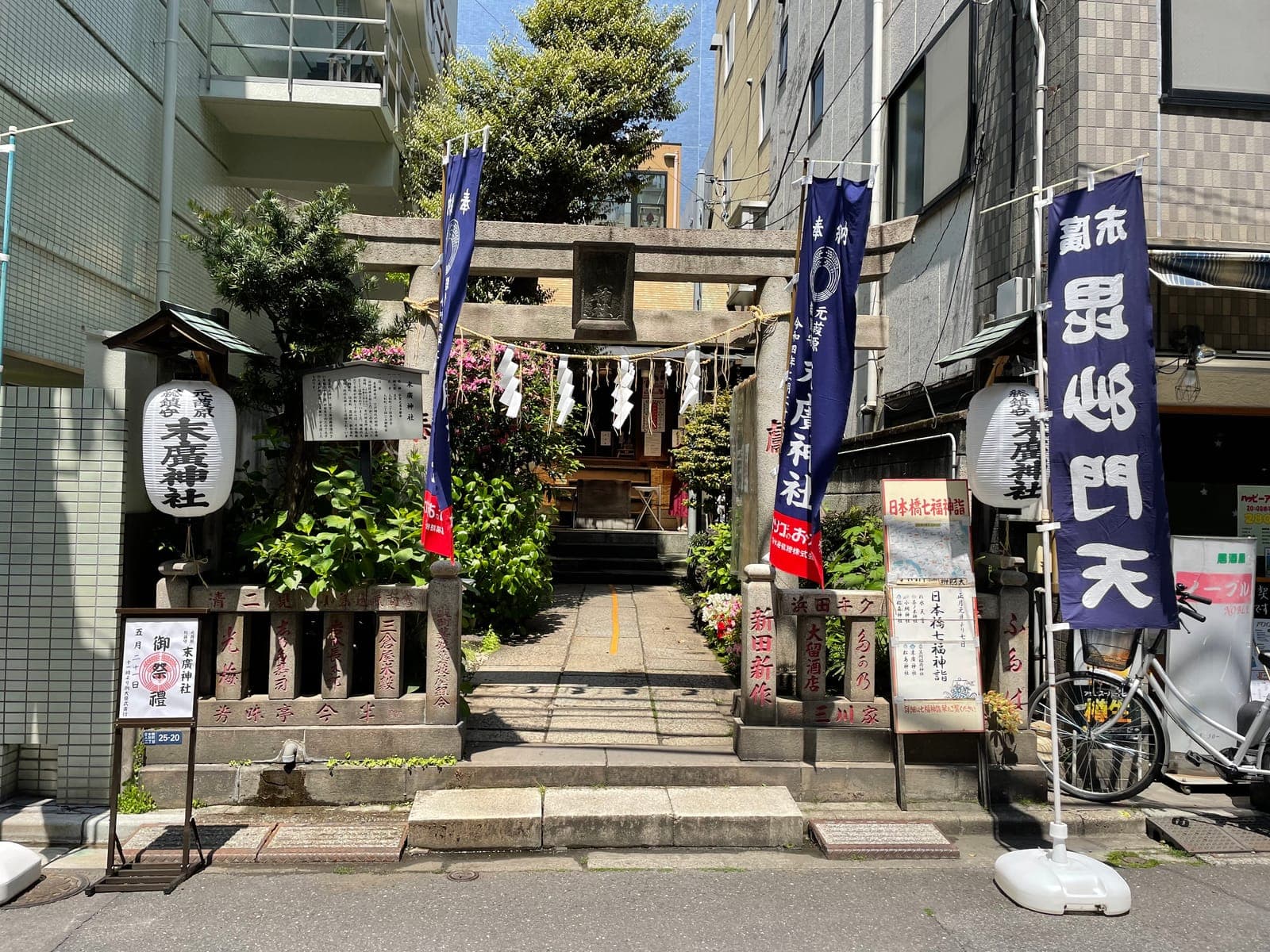
Suehiro
Shinto-SchreinSuehiro Shrine (末廣神社) is a Shinto shrine in Nihonbashi, Tokyo, established before 1596 as the guardian deity of the original Yoshiwara district. It enshrines Bishamonten, one of the Seven Lucky Gods, and is named after a lucky folding fan discovered in 1675.
Tempel-Details ansehen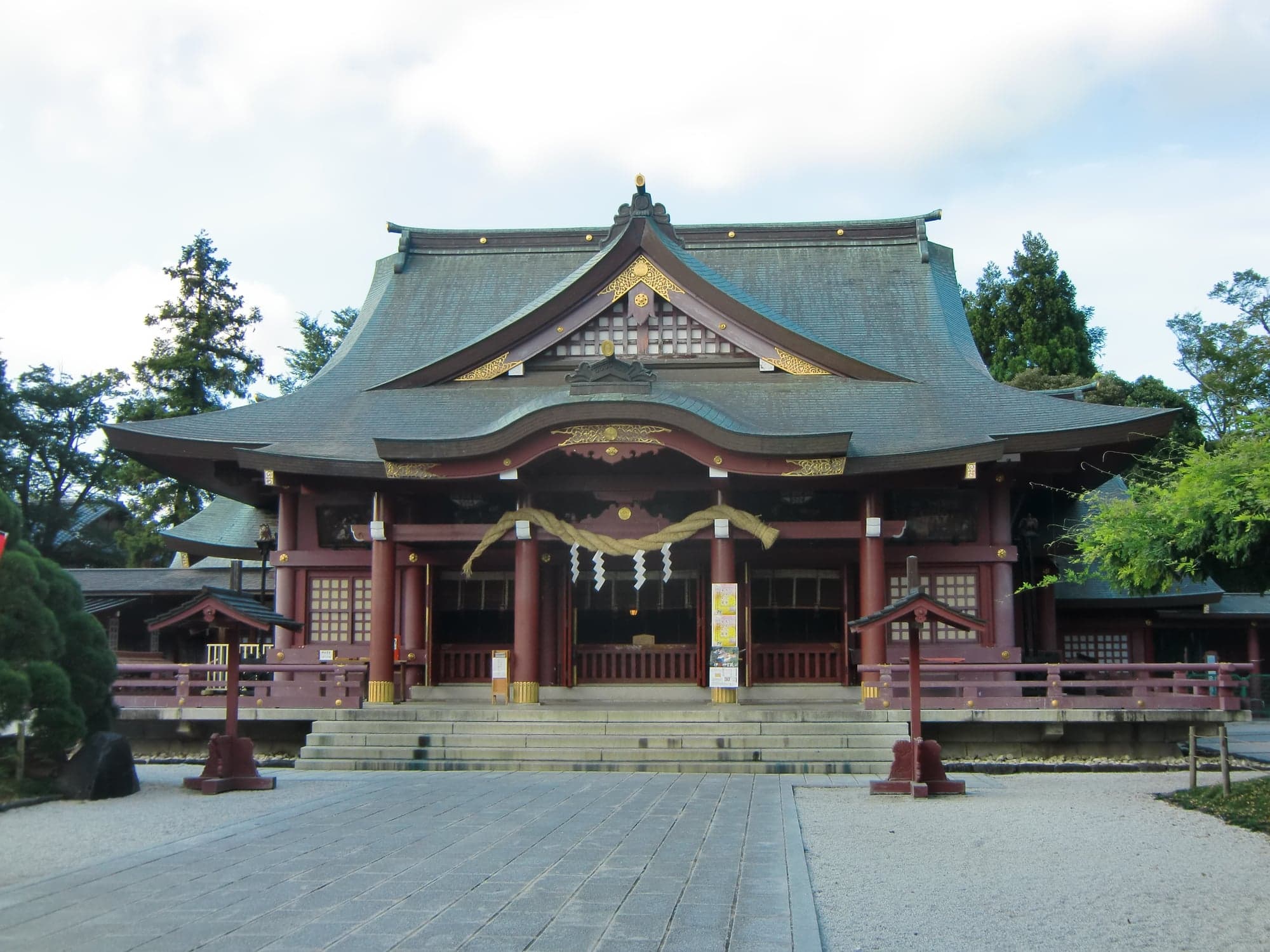
Kasama Inari Jinja
Shinto-SchreinTokyo branch shrine of Kasama Inari Shrine, one of Japan's three major Inari shrines. Founded in 1681 within the Edo residence of the Makino family, lords of Kasama Domain. Known as Monzaburo Inari, it enshrines Jurojin, one of the Seven Lucky Gods of Nihonbashi.
Tempel-Details ansehen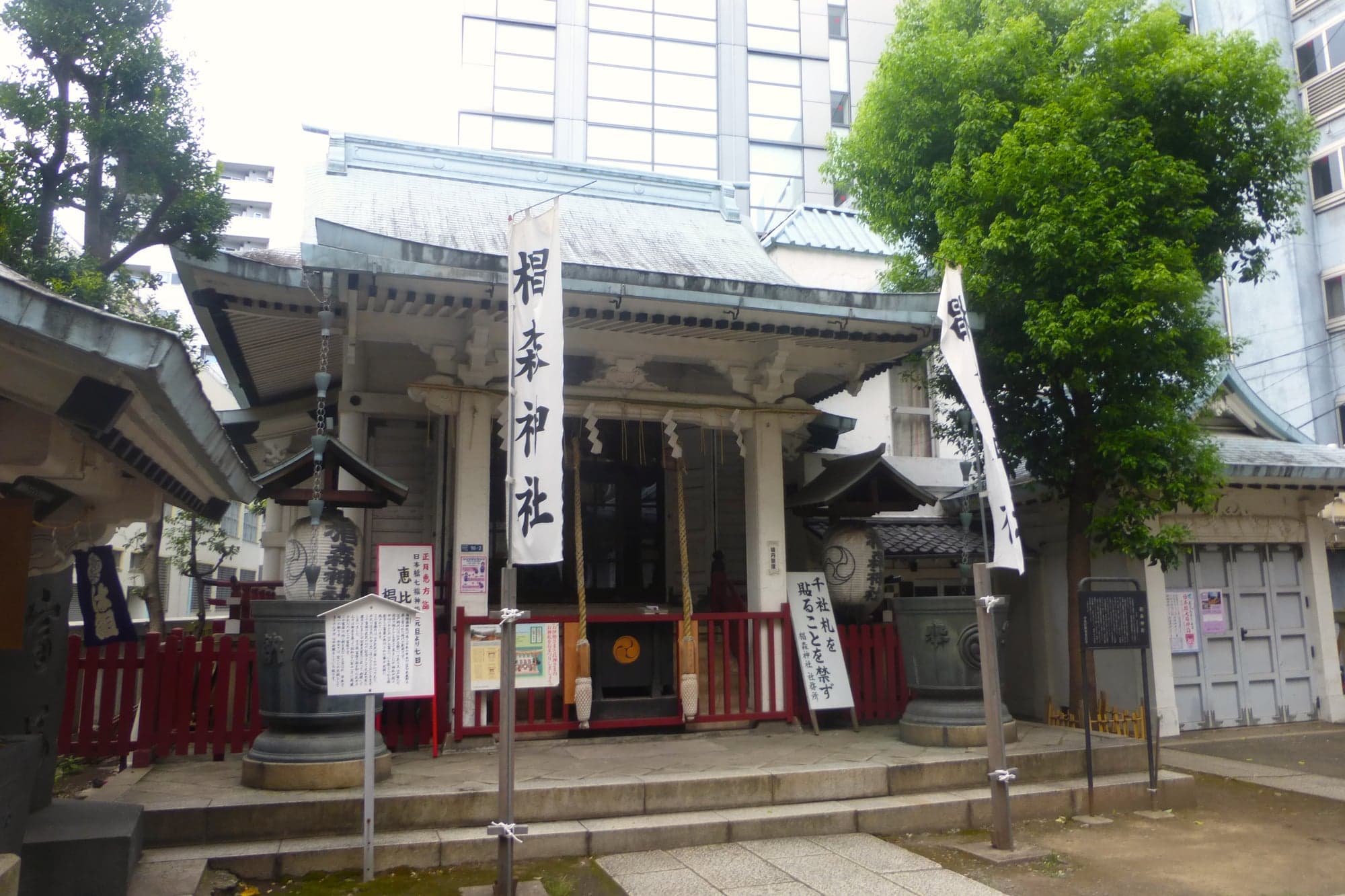
Suginomori
Shinto-SchreinHistoric Inari shrine in Tokyo's Chuo district, one of the three great shrines around Edo Castle. Known for lottery fortune and Ebisu worship, it has been a center of faith since the Edo period. Hosts monthly festivals and the famous Bettara market.
Tempel-Details ansehenVervollständigen Sie Ihre Nihonbashi Sieben Glücksgötter Pilgerfahrt
Verfolgen Sie Ihren Fortschritt, sammeln Sie Goshuin an jedem Tempel, greifen Sie auf Offline-Karten zu und dokumentieren Sie Ihre spirituelle Reise mit Goshuin Atlas.