
Saigoku 33 Kannon
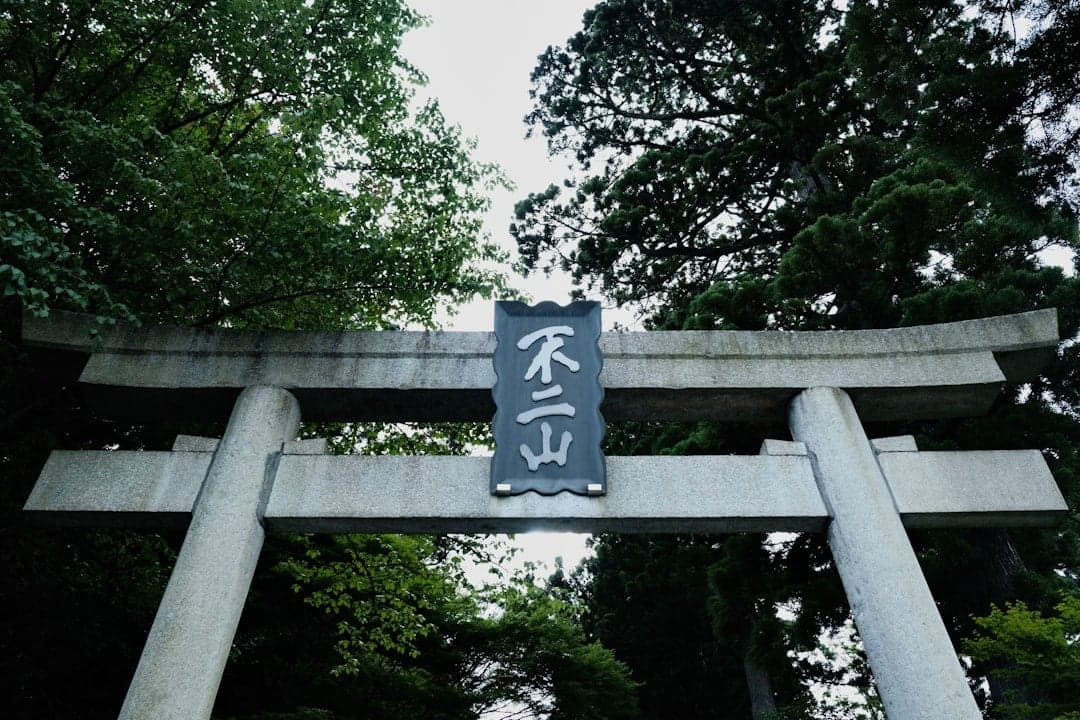
Japan's oldest pilgrimage traces to 718, when monk Tokudo received 33 seals from Hell's King to establish Kannon worship sites. Rediscovered by Emperor Kazan in the 980s, the tradition of stamping pilgrim books began.
Verfolgen Sie Ihre Saigoku 33 Kannon Reise
Laden Sie Goshuin Atlas herunter, um Ihren Fortschritt auf der Saigoku 33 Kannon Route zu verfolgen, Goshuin-Stempel an jedem Tempel zu sammeln und auf Offline-Karten für Ihre spirituelle Reise zuzugreifen.

Routeninformationen
Gesamt Tempel
33
Geschätzte Dauer
~15 Tage
Tempel auf Saigoku 33 Kannon Route
Seiganto-ji
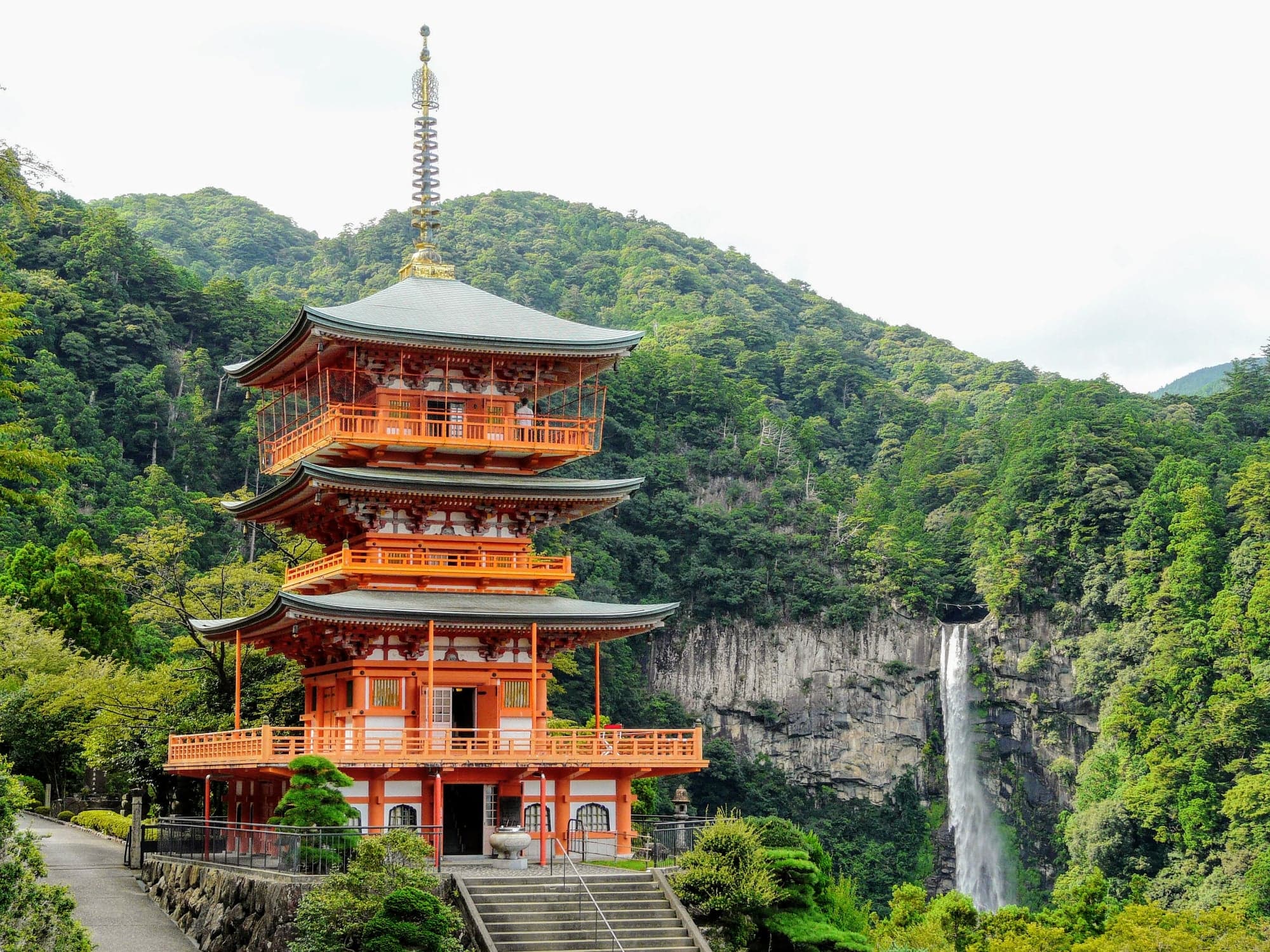
Buddhistischer TempelSeiganto-ji (青岸渡寺), Tempel des Überquerens der Blauen Küste, ist ein Tendai-Buddhistischer Tempel in der Präfektur Wakayama, Japan. Er wurde 2004 als UNESCO-Weltkulturerbe im Rahmen der Heiligen Stätten und Pilgerwege im Kii-Gebirgen anerkannt.
Tempel-Details ansehen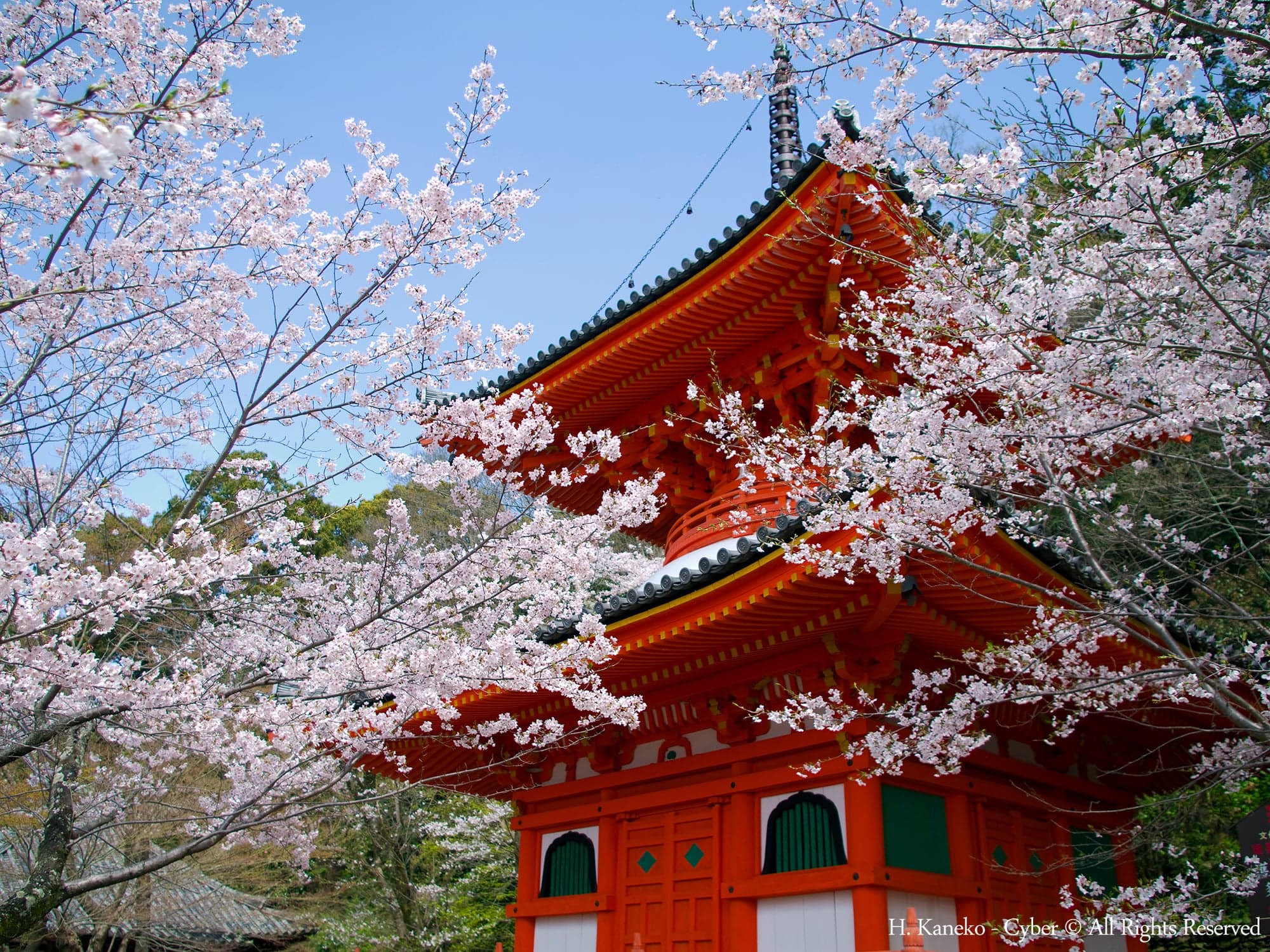
Kimii-dera
Buddhistischer TempelKimii-dera ist ein buddhistischer Tempel in der Stadt Wakayama, Präfektur Wakayama, der 770 von dem Tang-Mönch Iko gegründet wurde; er ist der Tempel Nr. 2 der Saigoku 33 Kannon Pilgerreise und ist nach seinen drei Brunnen benannt.
Tempel-Details ansehen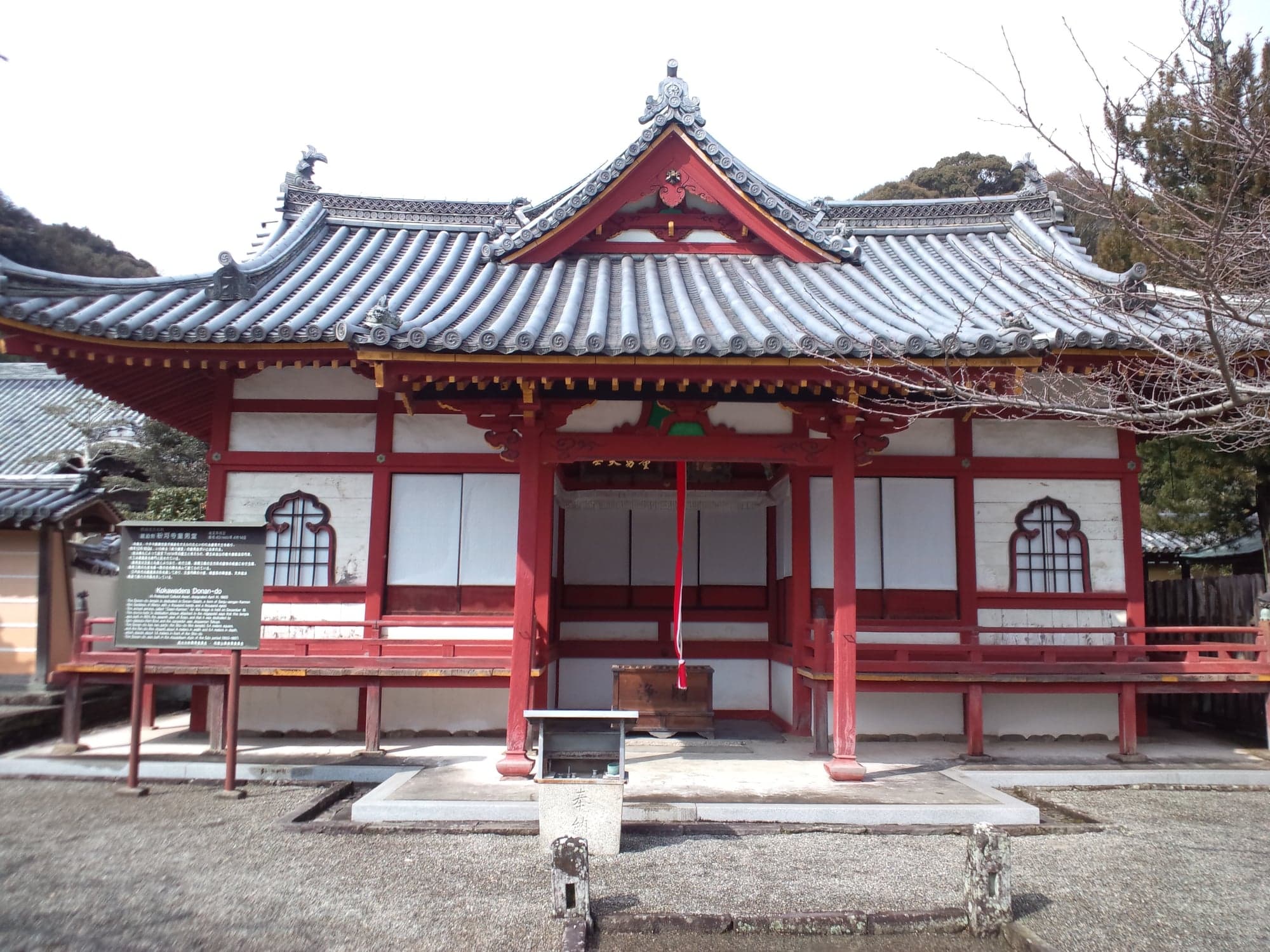
Kokawa-dera
Buddhistischer TempelKokawa-dera is a Buddhist temple in Kinokawa, Wakayama Prefecture, temple No. 3 of the Saigoku 33 Kannon Pilgrimage, traditionally founded in 770 by the monk Ikō.
Tempel-Details ansehen
Fujii-dera
Buddhistischer TempelFujii-dera is a Shingon-shū Omuro-ha temple in Fujiidera, Osaka Prefecture. It enshrines a National Treasure statue of the Thousand-armed, Eleven-faced Kannon and is Temple No. 4 on the Saigoku Kannon Pilgrimage.
Tempel-Details ansehen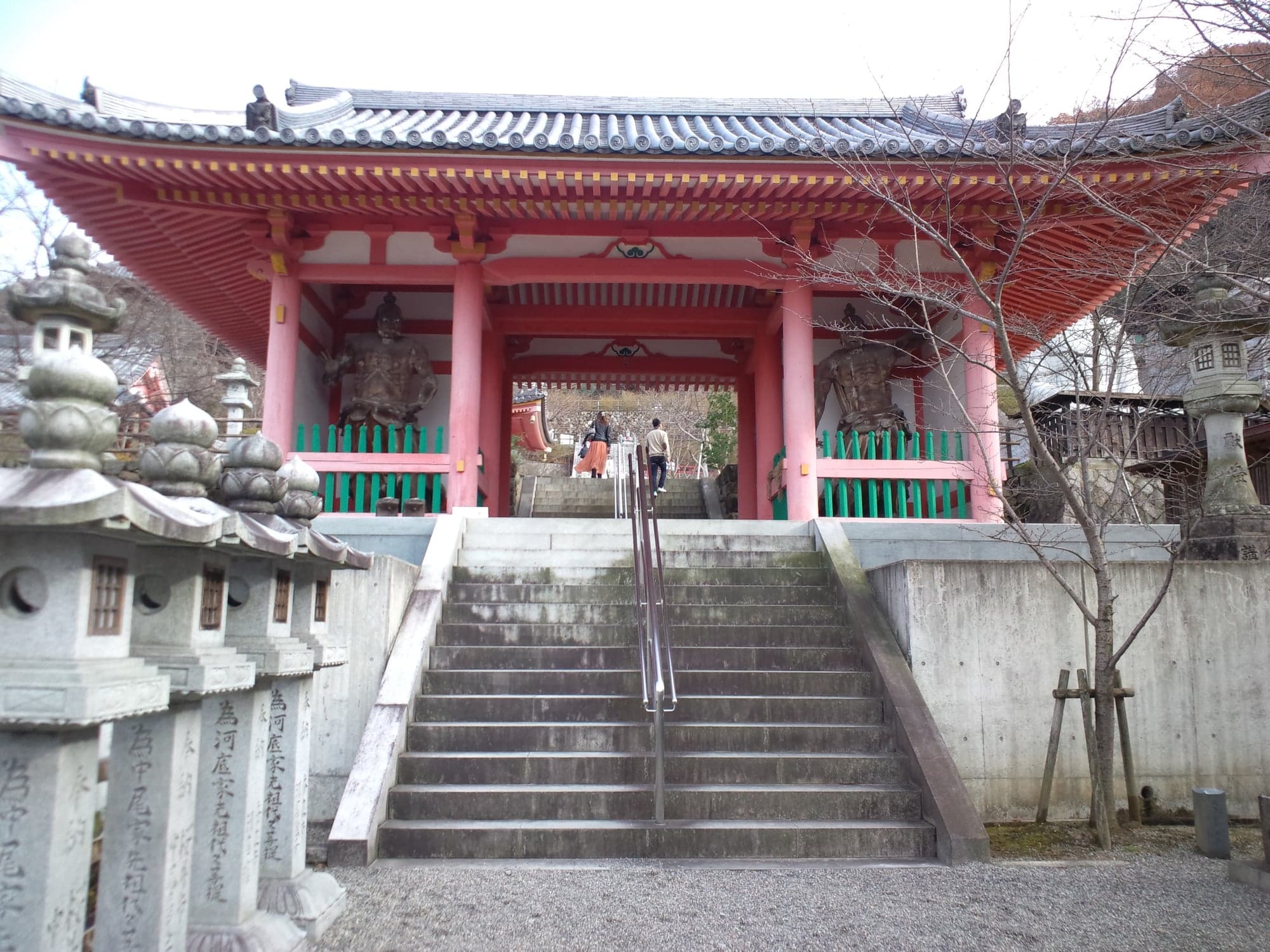
Minamihokke-ji
Buddhistischer TempelMinami Hokke-ji (南法華寺) is a Buddhist temple located in the Tsubosaka neighborhood of the town of Takatori, Nara Prefecture Japan. It belongs to the Shingon sect of Japanese Buddhism and its honzon is a statue of Jūichimen Senjū Kannon.
Tempel-Details ansehen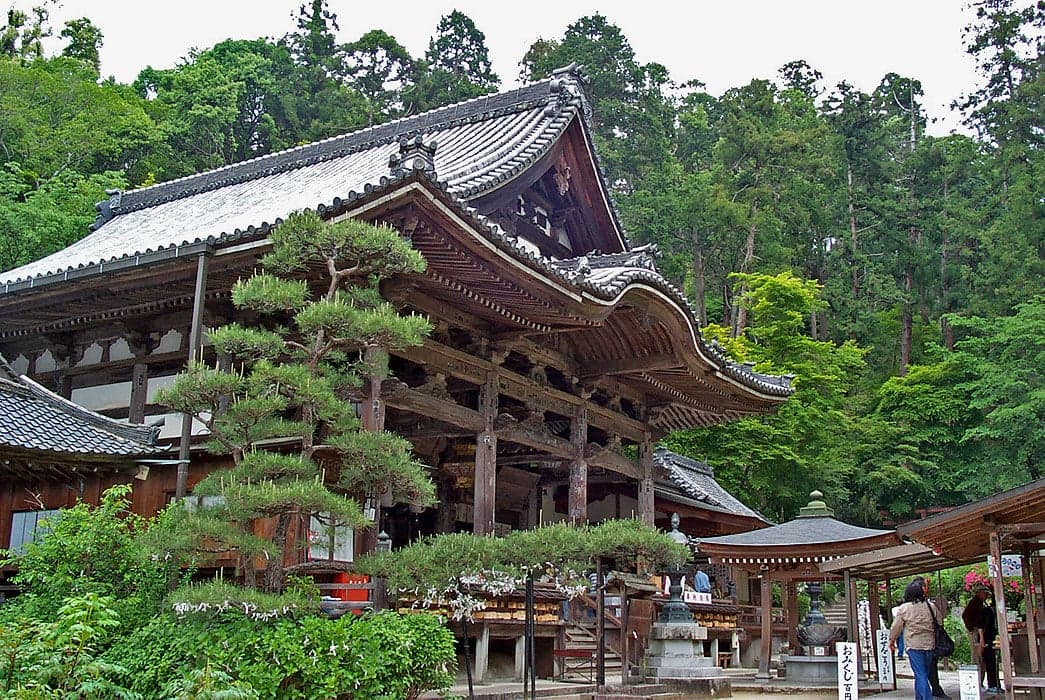
Oka-dera
Buddhistischer TempelOka-dera (岡寺) is a Buddhist temple located in the Oka neighborhood of the village of Asuka, Nara Prefecture, Japan. It belongs to the Shingon-shū Buzan-ha sect and its honzon is a clay statue of Nyōirin Kannon Bosatsu. The temple's full name is Tōkō-zan Shinjūin-in Ryūgai-ji (東光山 真珠院 龍蓋寺).
Tempel-Details ansehen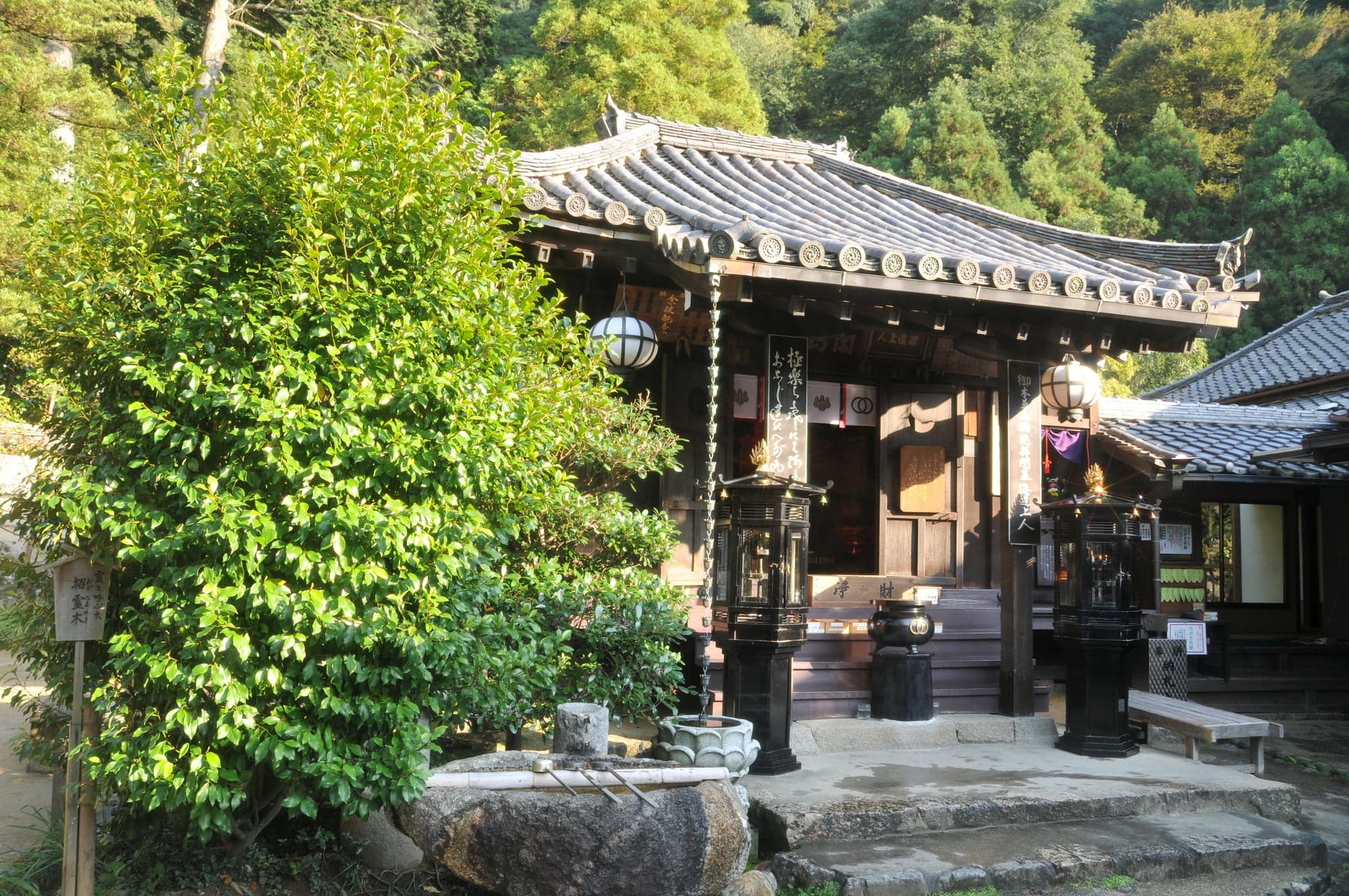
Hoki-in
Buddhistischer TempelHoki-in is a Buddhist temple in Sakurai, Nara, serving as the starting point of the Saigoku 33 Kannon Pilgrimage. Founded in the 8th century, it honors the pilgrimage's founder and offers a peaceful atmosphere for visitors seeking spiritual reflection.
Tempel-Details ansehen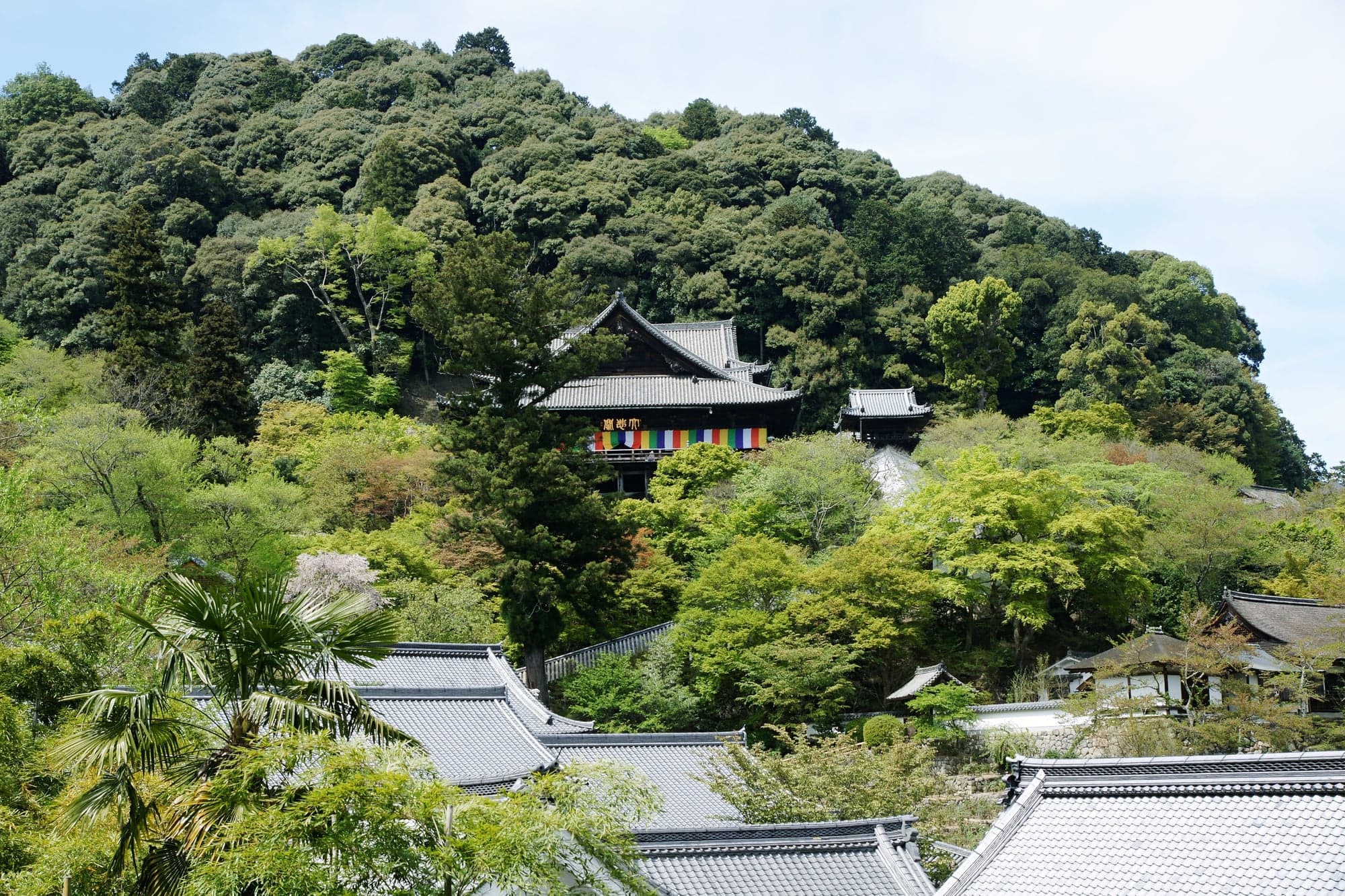
Hase-dera
Buddhistischer TempelTowering nearly 9 meters high, the gilded wooden statue of eleven-faced Kannon—the bodhisattva of compassion and mercy—commands attention at Hase-dera Temple. This ancient Buddhist sanctuary, established in 736 CE, clings to a Kamakura hillside where the grounds cascade down toward panoramic views o
Tempel-Details ansehen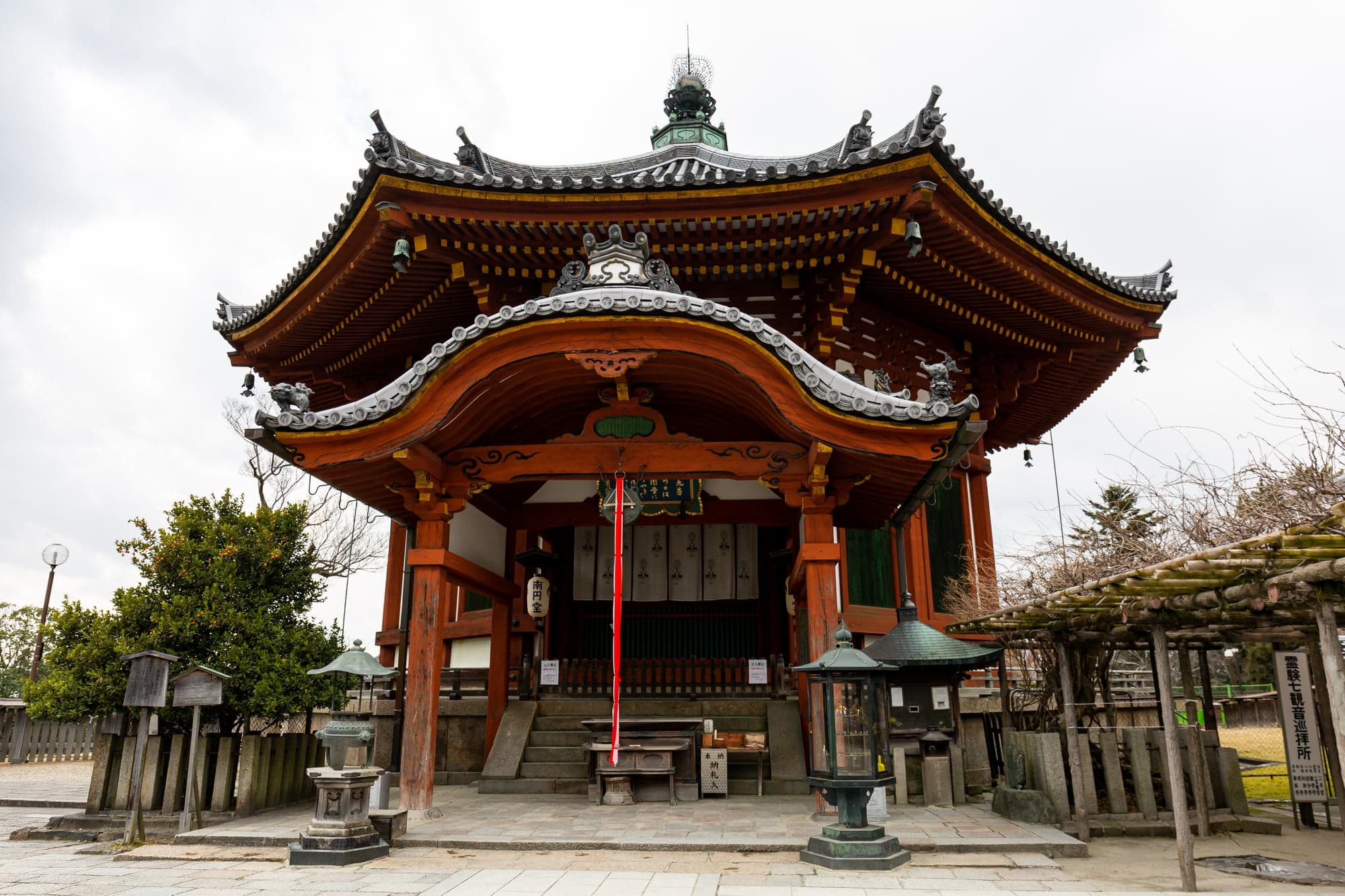
Kofuku-ji
Buddhistischer TempelKofuku-ji ist ein bedeutender buddhistischer Tempel in Nara und das Haupttempel der Hossō-Schule. Gegründet im Jahr 669 und 710 von dem Fujiwara-Clan nach Nara verlegt, war er einer der Nanto Shichi Daiji und ist Teil des UNESCO-Weltkulturerbes Historische Denkmäler des alten Nara.
Tempel-Details ansehen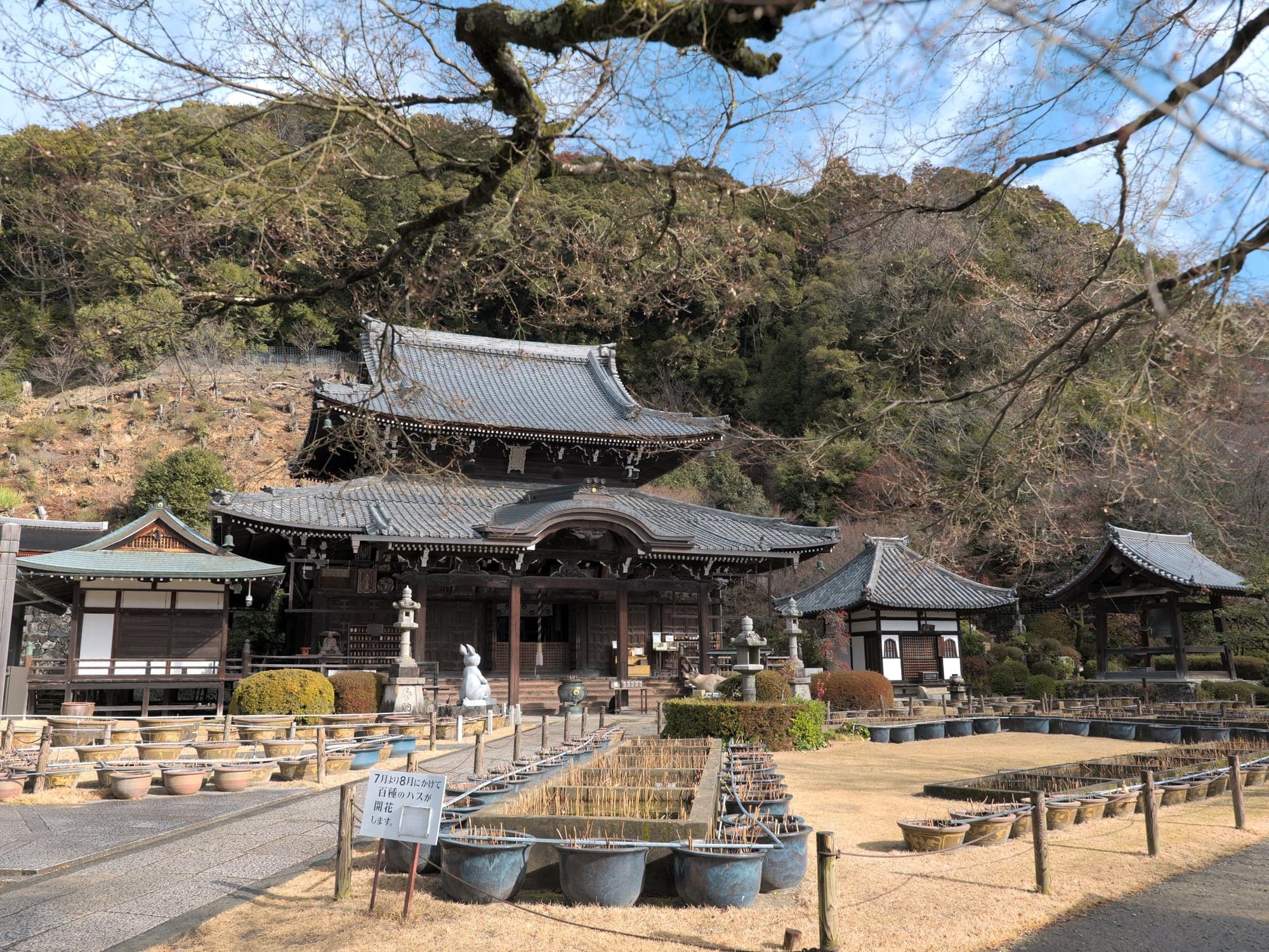
Daigo-ji
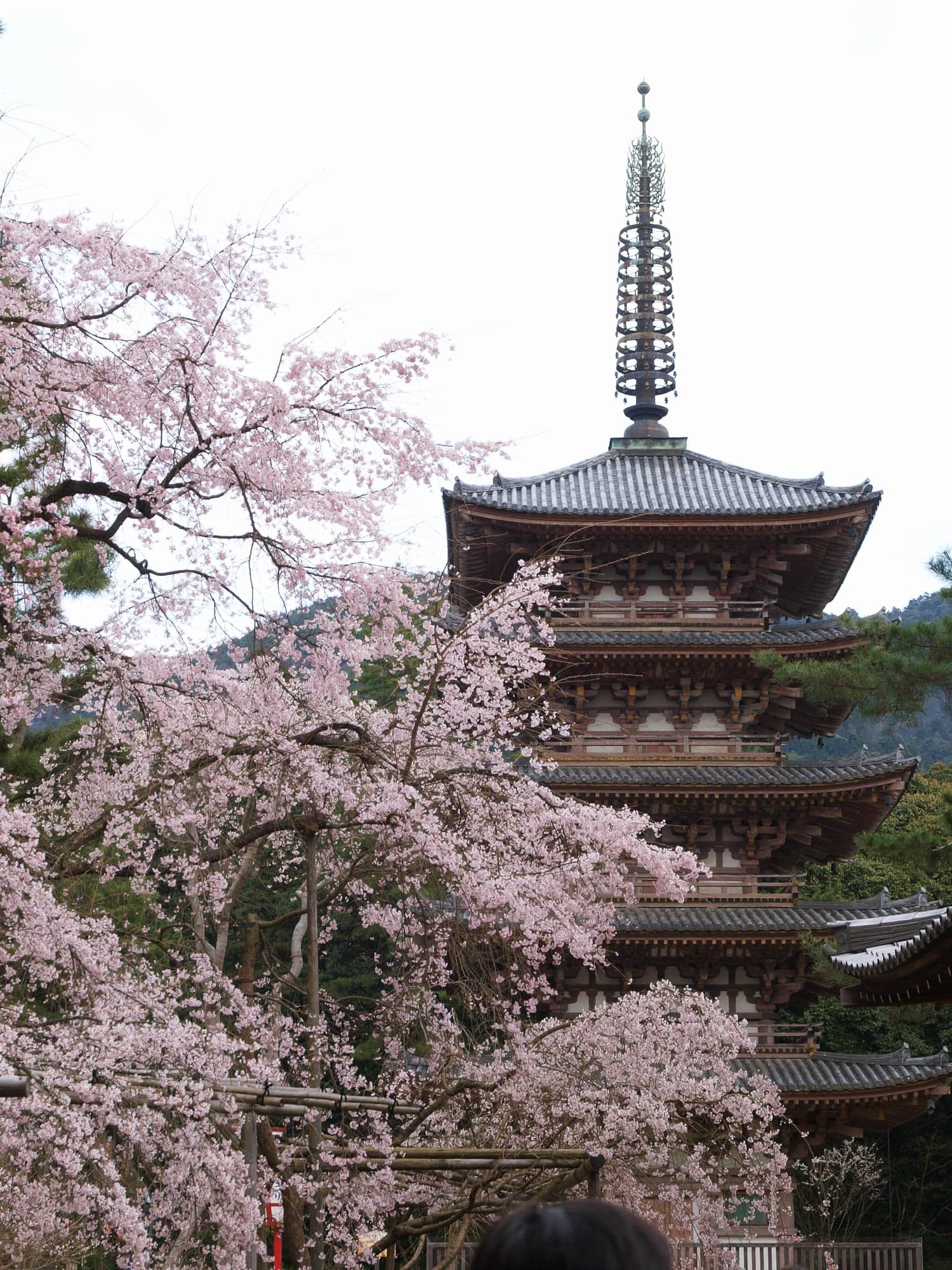
Buddhistischer TempelDaigo-ji is a Buddhist temple located in Fushimi-ku, Kyoto, Japan. It is the head temple of the Shingon-shū Daigo-ha sect of Japanese Buddhism and its honzon is a hibutsu statue of Yakushi Nyorai. The temple's full name is Kasatori-yama Daigo-ji.
Tempel-Details ansehen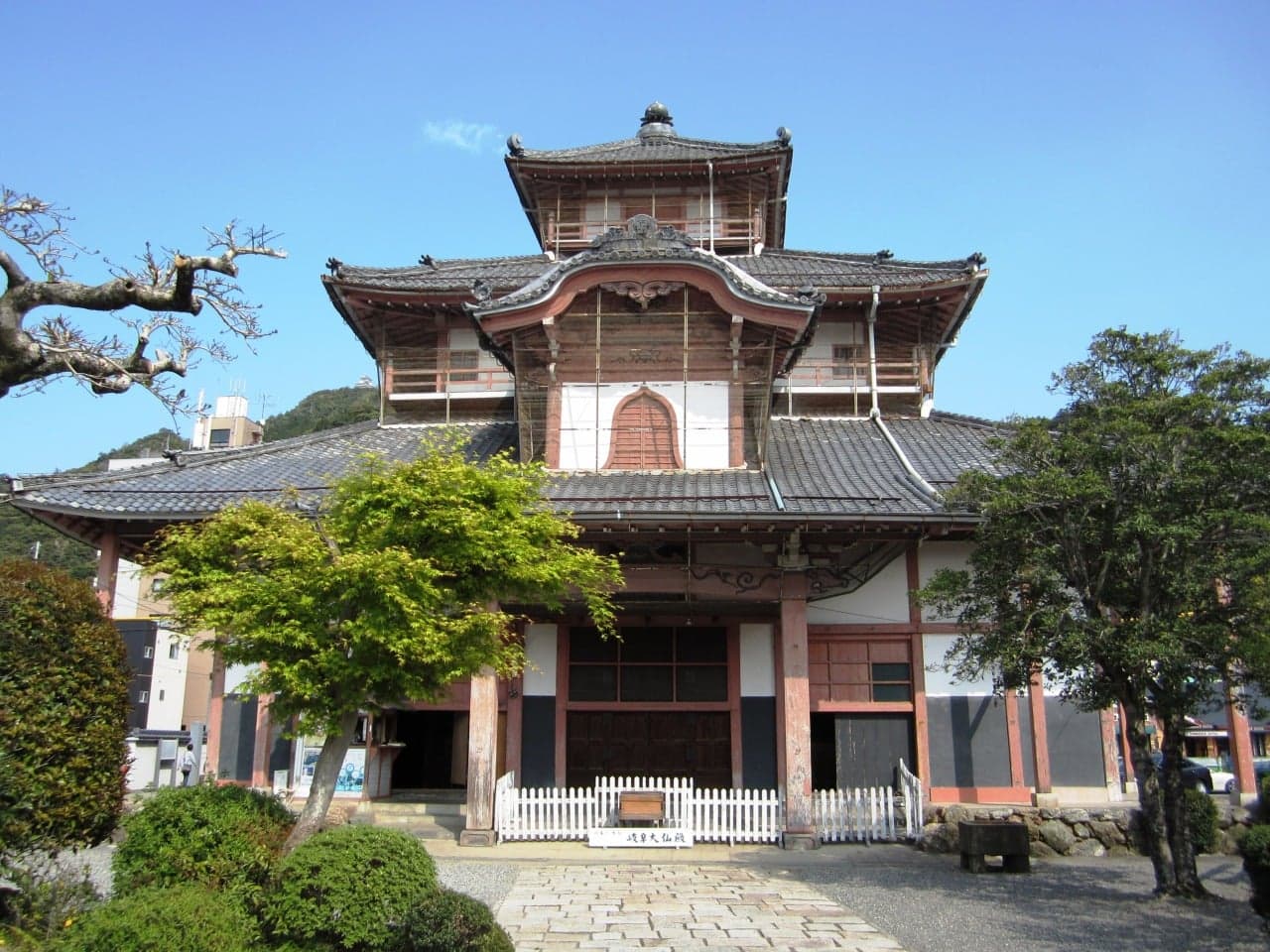
Mii-dera
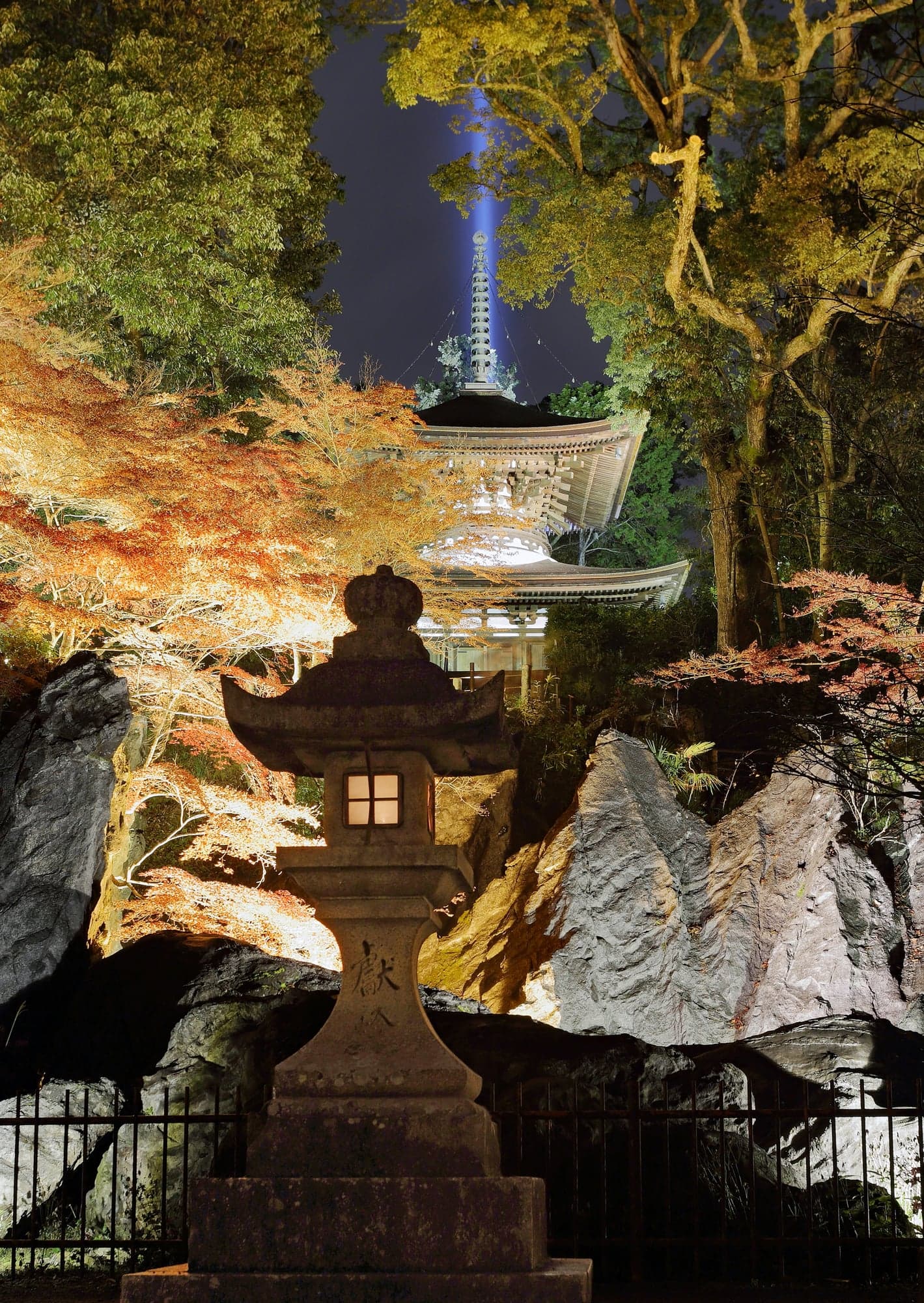
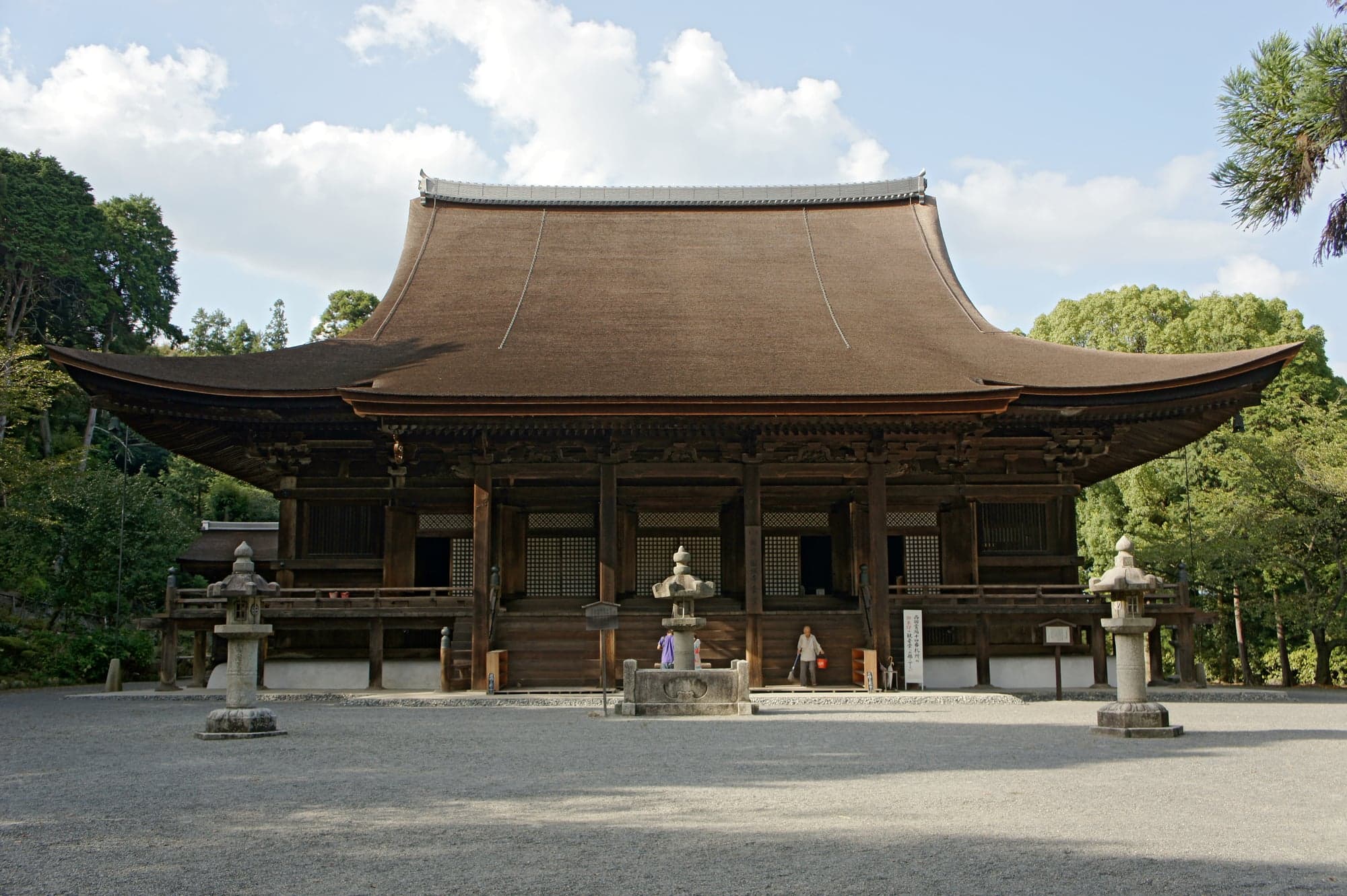
Buddhistischer TempelThe Mii-dera (officially called Onjo-ji) Temple, as head temple of the Tendaijimon Buddhist sect, has long been considered as one of the Four Great Temples of Japan.
Tempel-Details ansehen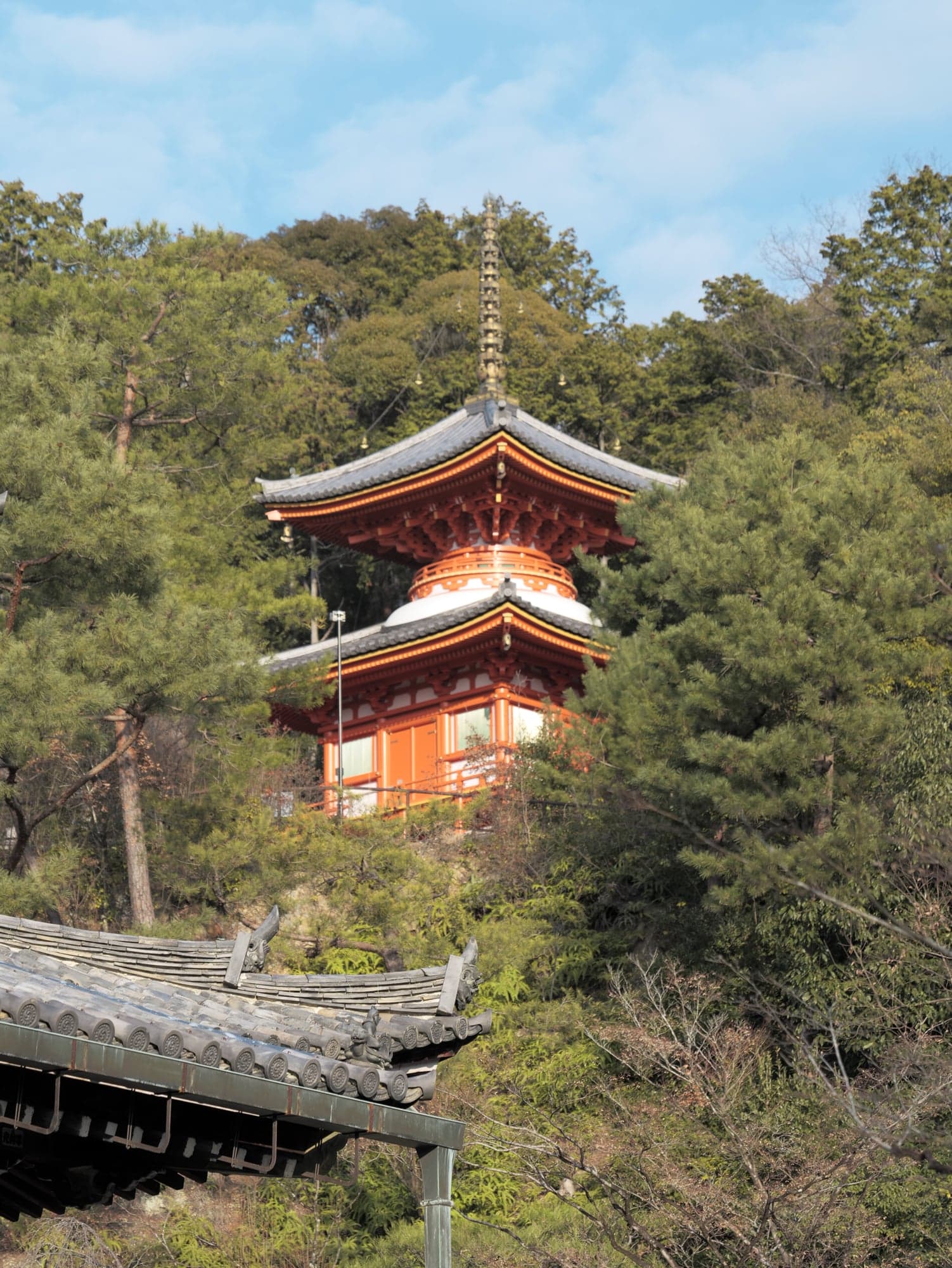
Kiyomizu-dera
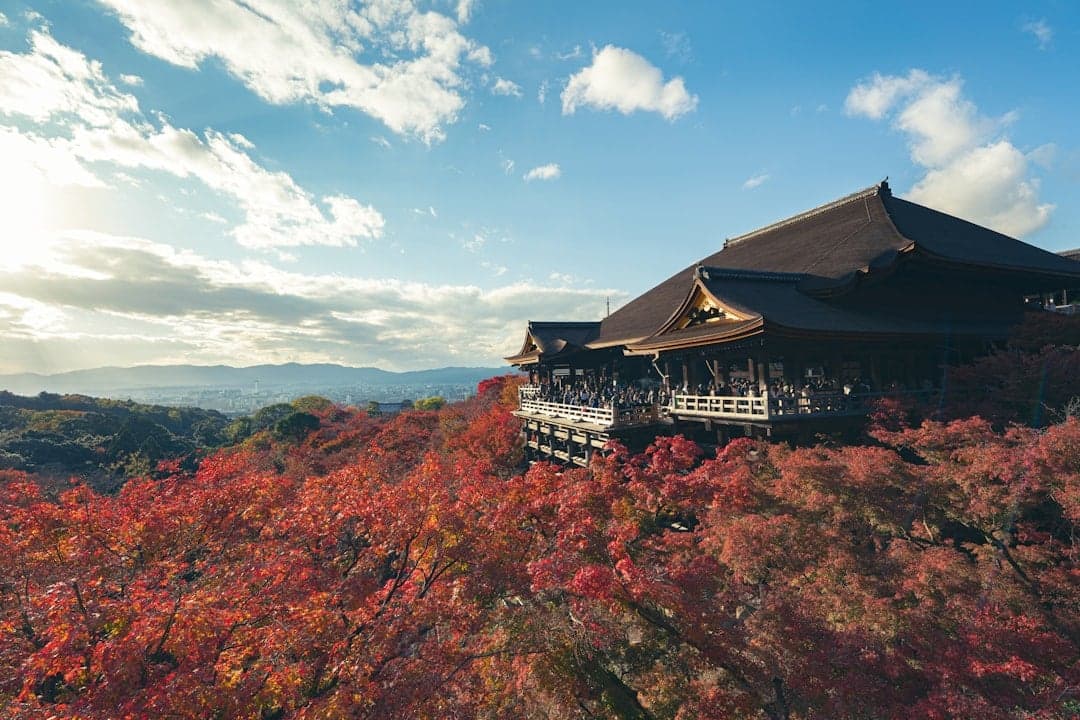
Buddhistischer TempelPerched on the eastern hills of Kyoto, Kiyomizu-dera Temple has been a symbol of Buddhist devotion for over twelve centuries. Founded in 778 CE by the priest Enchin, this temple is dedicated to Kannon, the bodhisattva of compassion and mercy, and is part of the Hosso sect.
Tempel-Details ansehen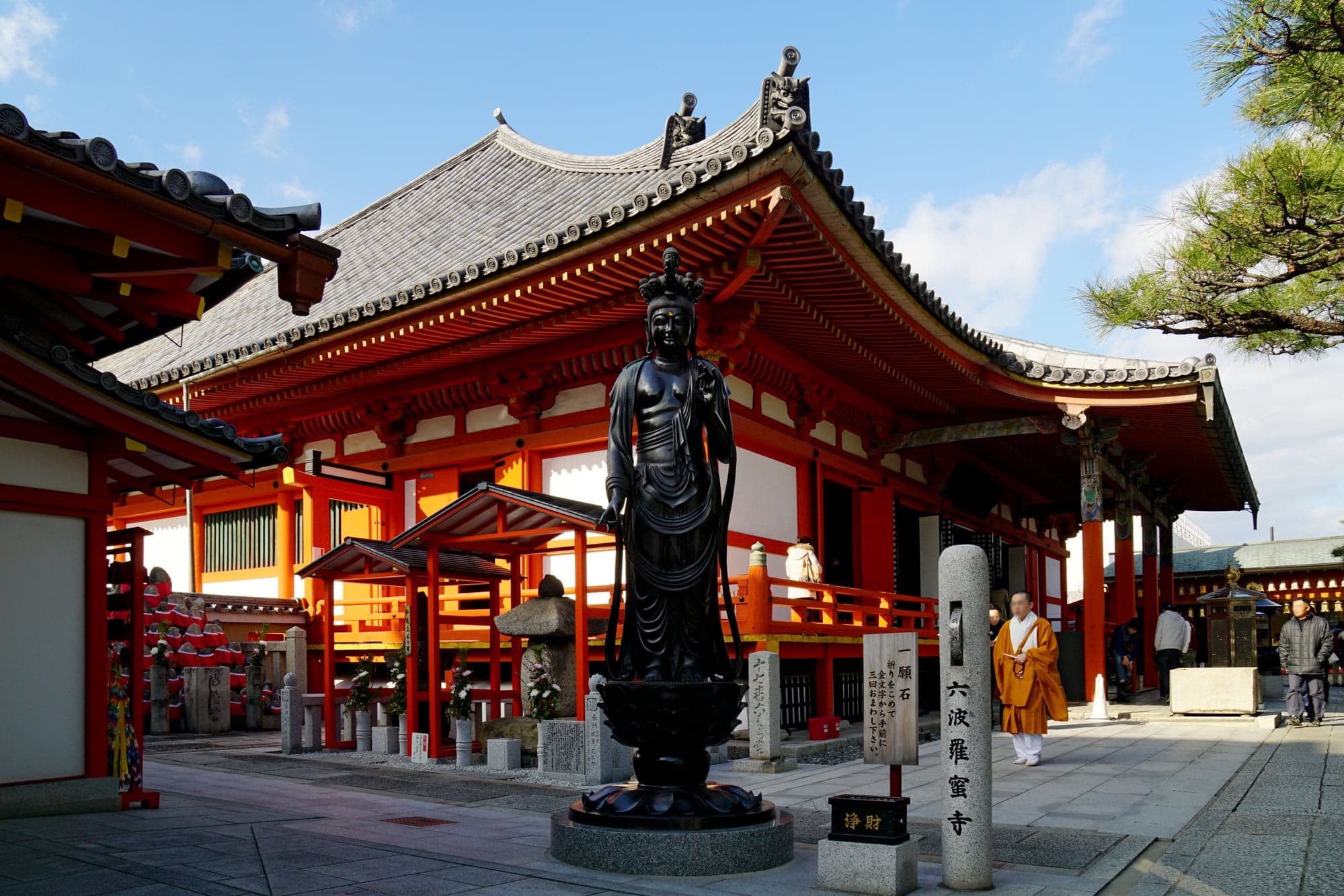
Gyogan-ji
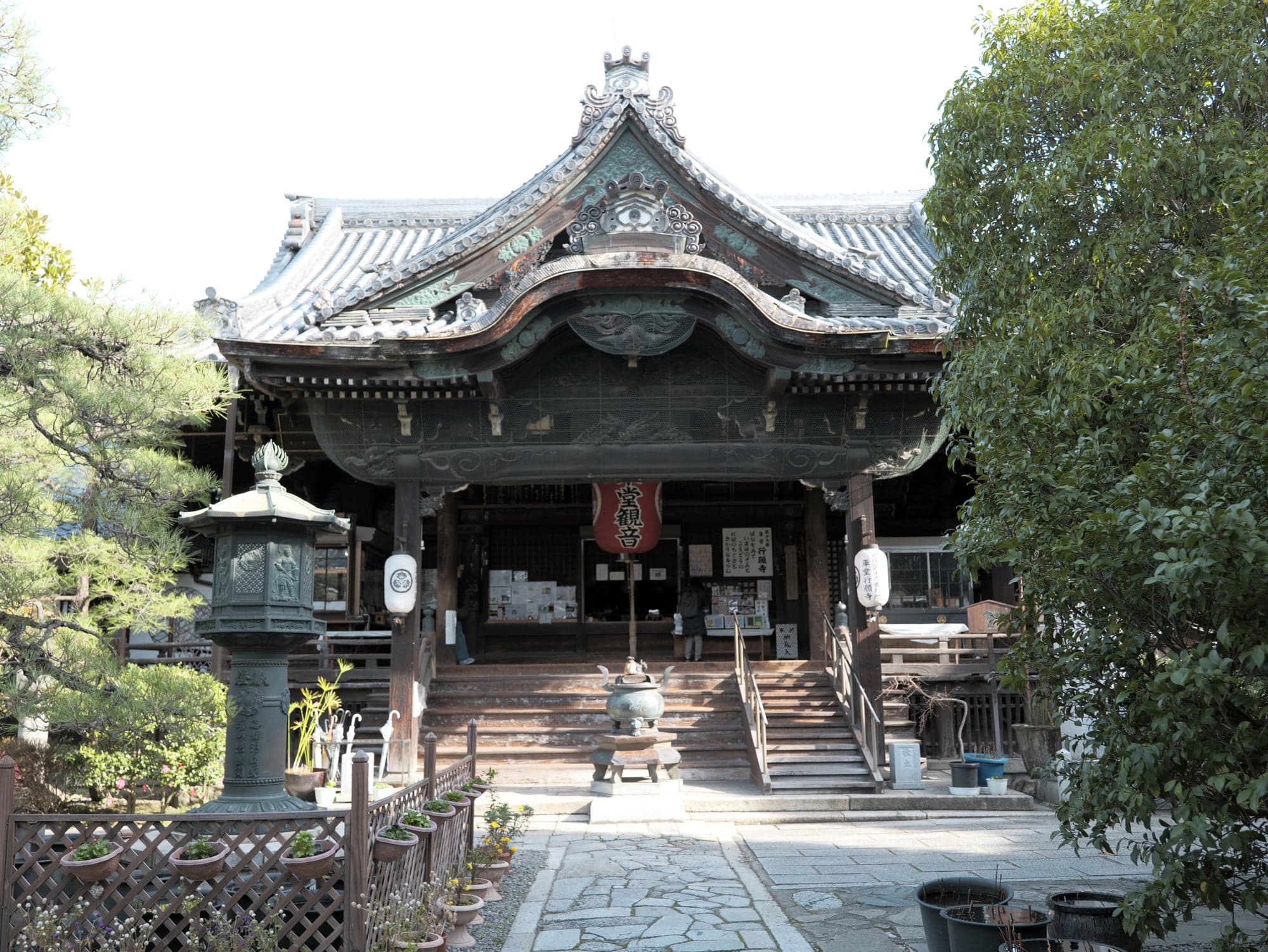
Buddhistischer TempelHistoric Tendai Buddhist temple in central Kyoto, known for its connection to the Saigoku Kannon Pilgrimage. Features traditional architecture and serves as an important place of worship with a peaceful atmosphere in the heart of the city.
Tempel-Details ansehen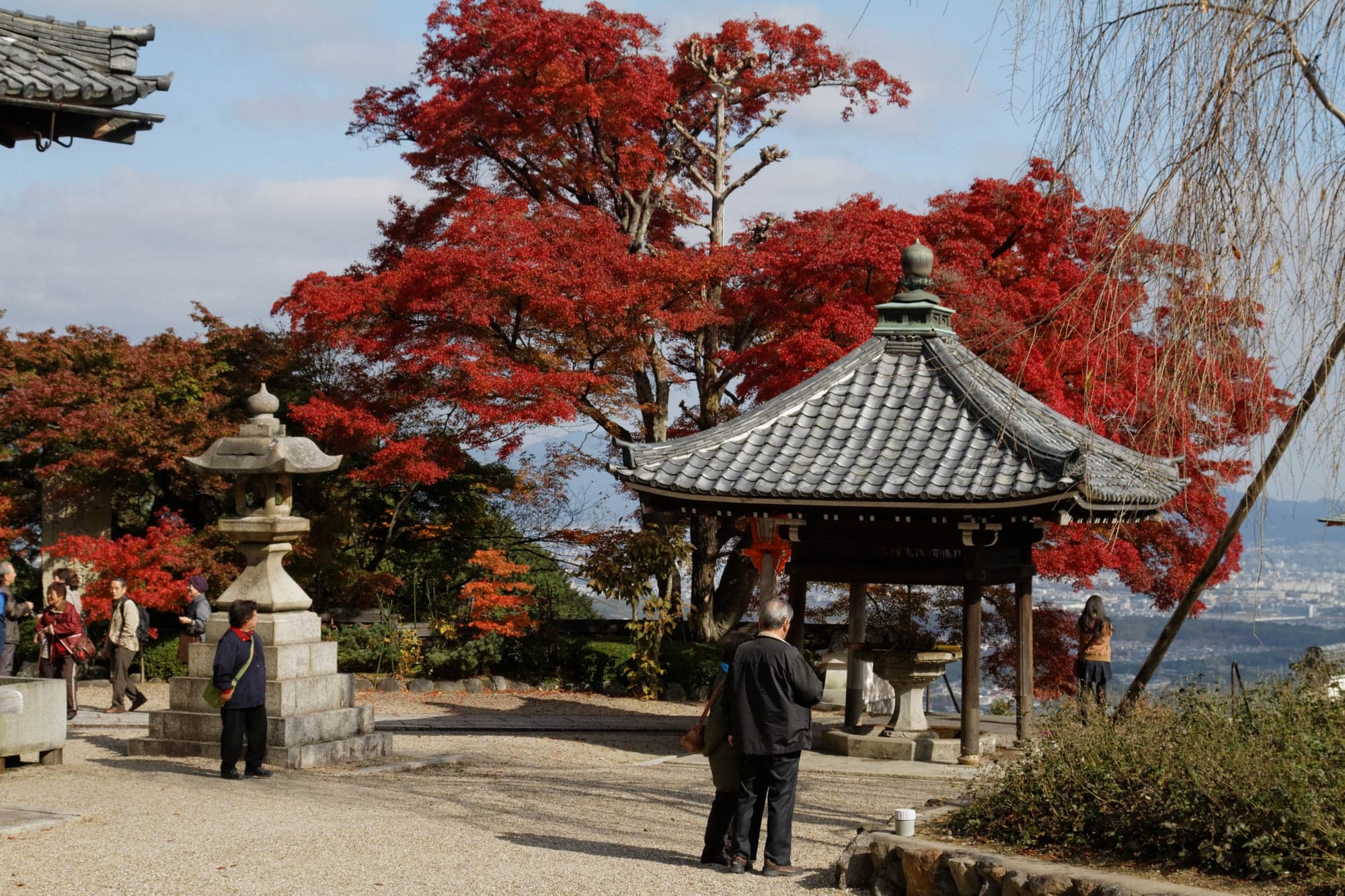
Yoshimine-dera
Buddhistischer TempelAs a Tendai Buddhist temple situated on the mountainside in Nishikyo, Kyoto, Yoshimine‑dera traces its history back to 1029 when the monk Gensan from Enryaku‑ji carved an eleven‑faced Kannon statue and built a small chapel here. Over the centuries the temple gained imperial patronage, receiving additional buildings and another Kannon statue and becoming the 20th temple on the Saigoku Kannon Pilgrimage. Though much of the complex was destroyed during the 15th‑century Ōnin War, it was rebuilt in the Edo period. Today Yoshimine‑dera is known for its terraced grounds with numerous halls, its famous “Gliding Dragon” pine tree trained to grow horizontally, and seasonal flowers such as hydrangeas and autumn maples.
Tempel-Details ansehen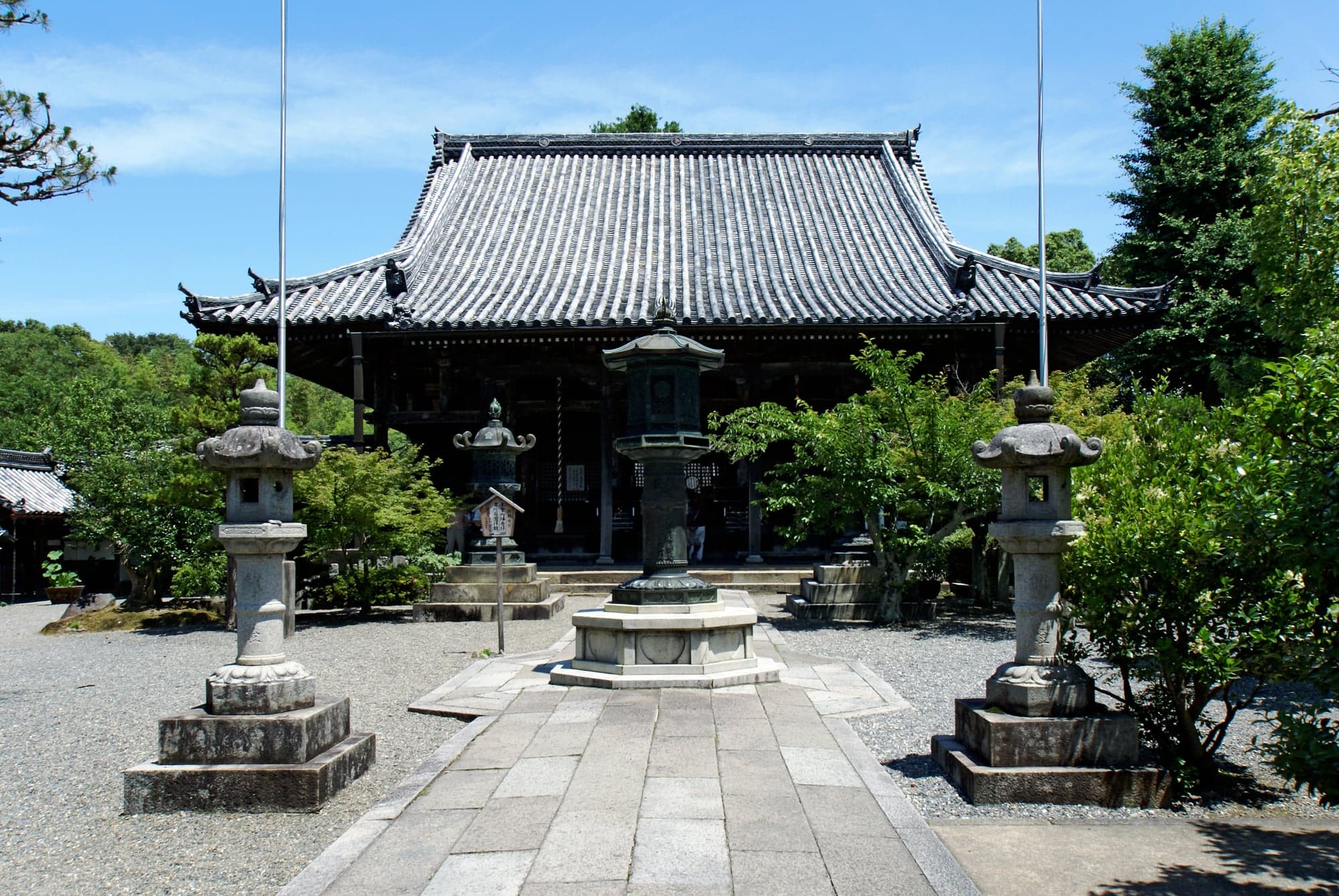
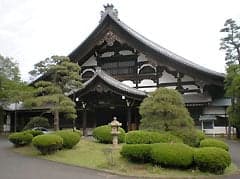
Soji-ji
Buddhistischer TempelAs temple 22 on the Saigoku Kannon pilgrimage in Ibaraki, Osaka, Sōji‑ji belongs to the Kōyasan Shingon sect. According to legend, its founder Fujiwara no Yamakage established the temple in 886 after a turtle saved him from drowning; this story explains why the temple’s principal image—a thousand‑armed, eleven‑headed Kannon—stands on a turtle. Sōji‑ji is renowned for the Yamakage‑ryu knife ceremony held every April 18 in honour of Yamakage, considered the father of Japanese knife culture. Having been rebuilt several times, the temple remains the 22nd stop on the Saigoku pilgrimage and a centre of faith for devotees.
Tempel-Details ansehen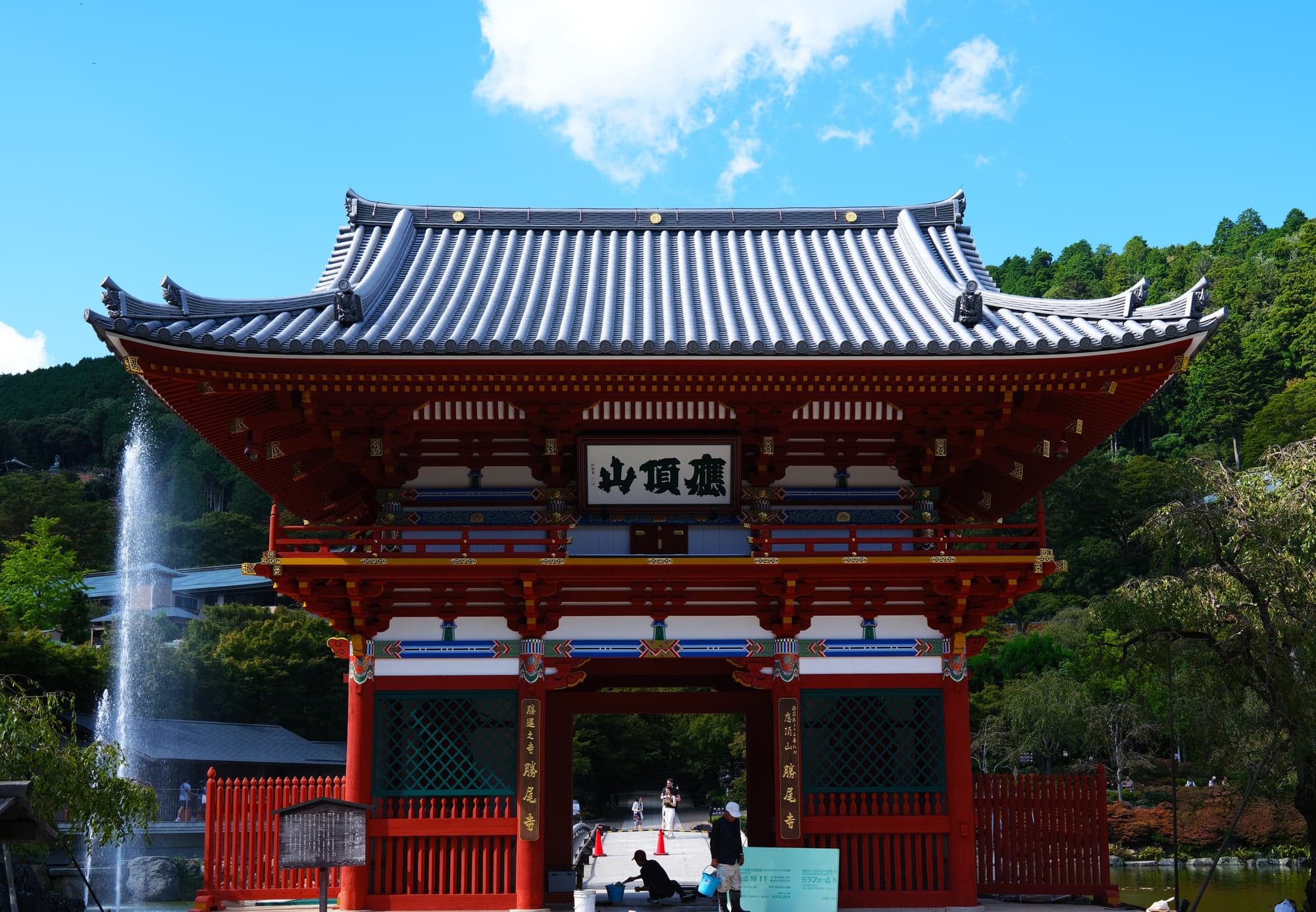
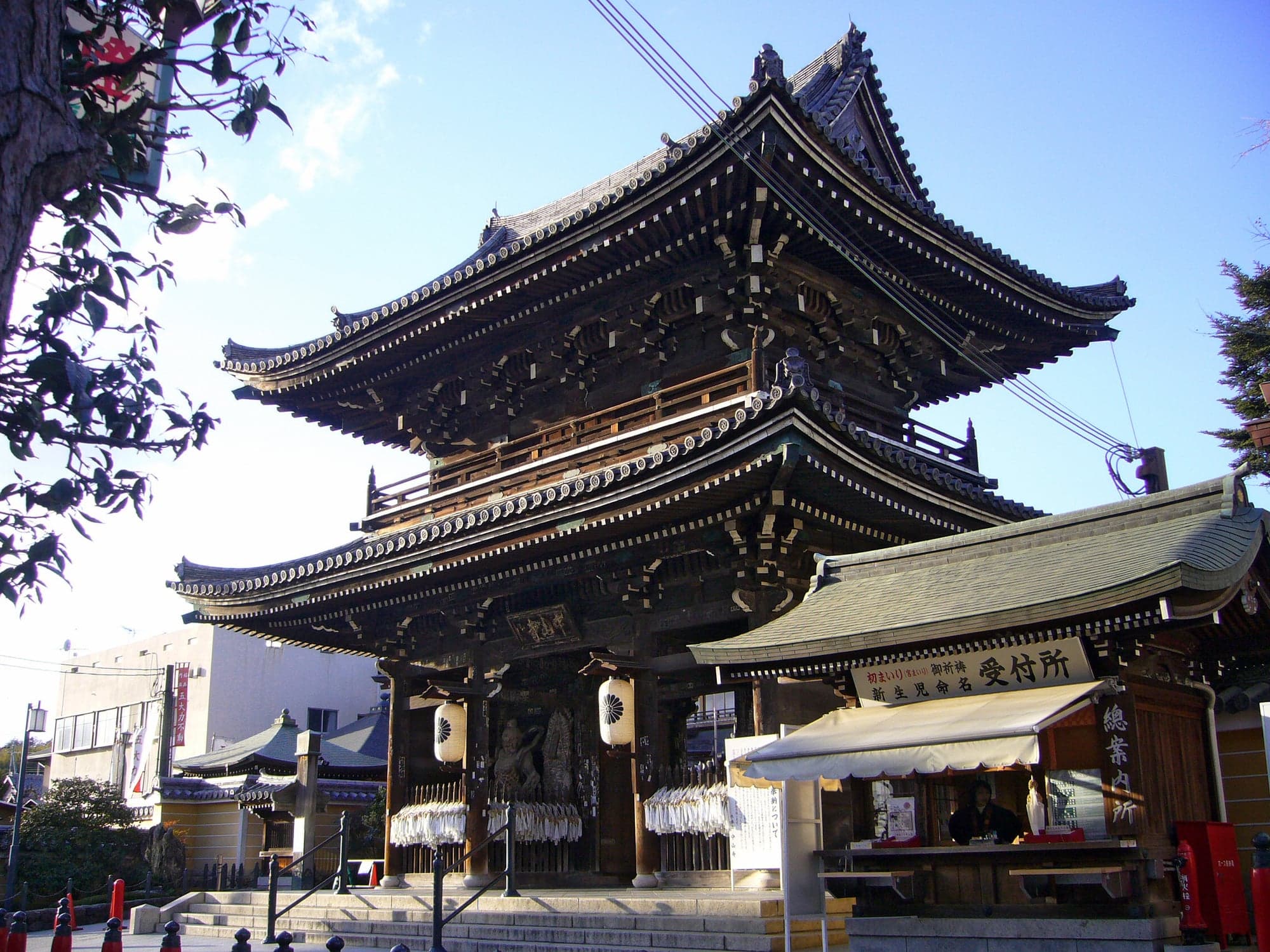
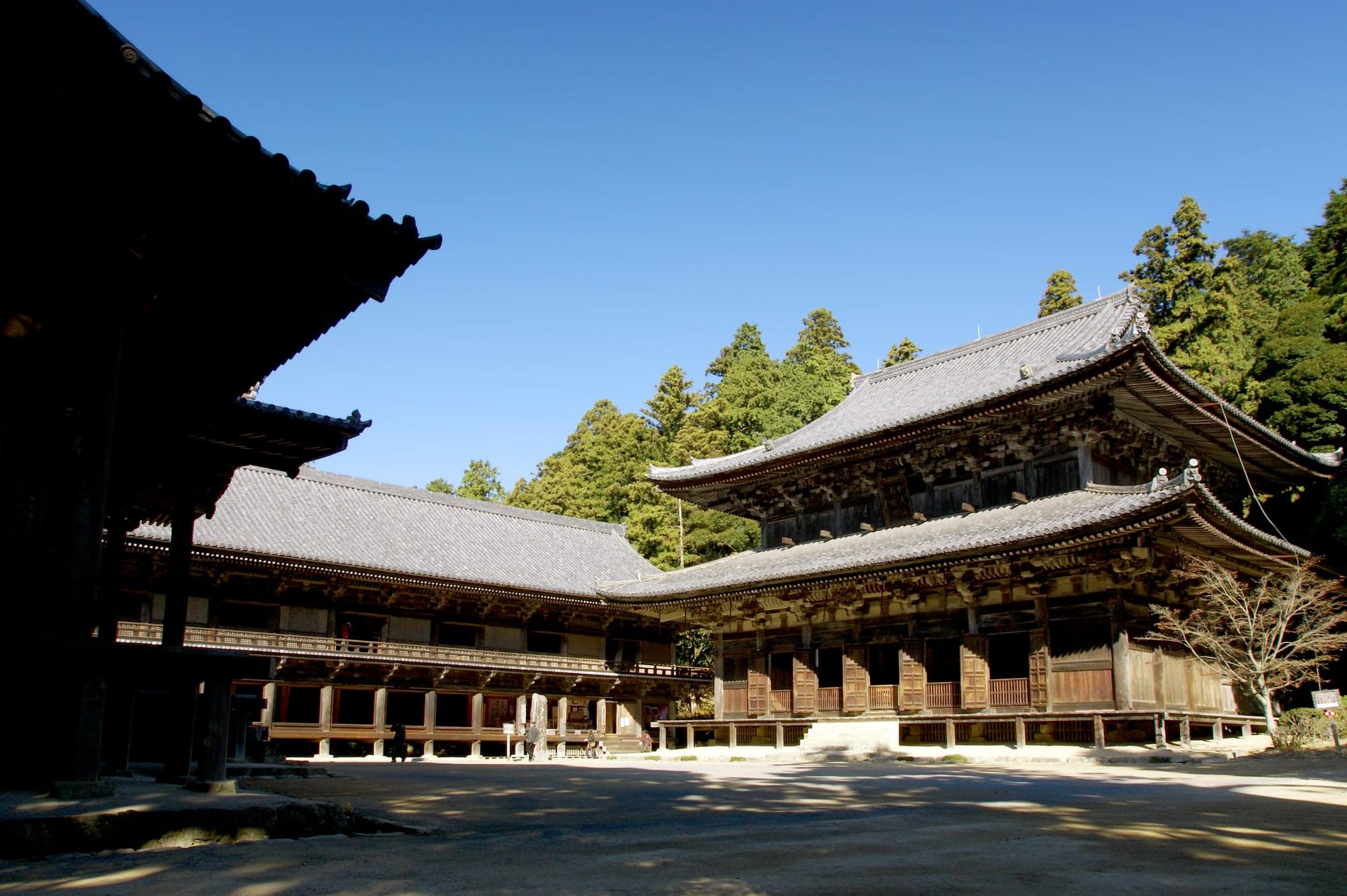
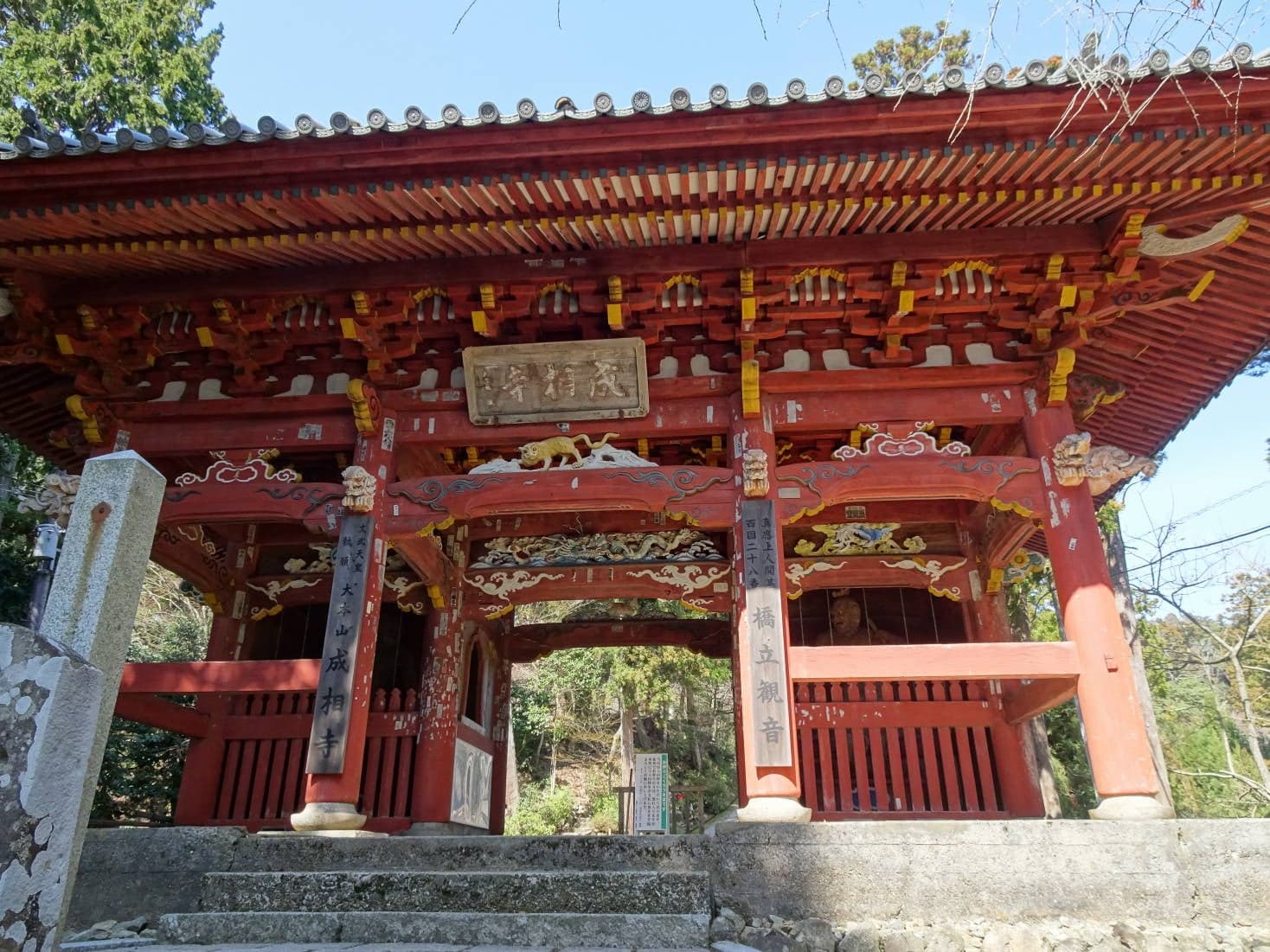
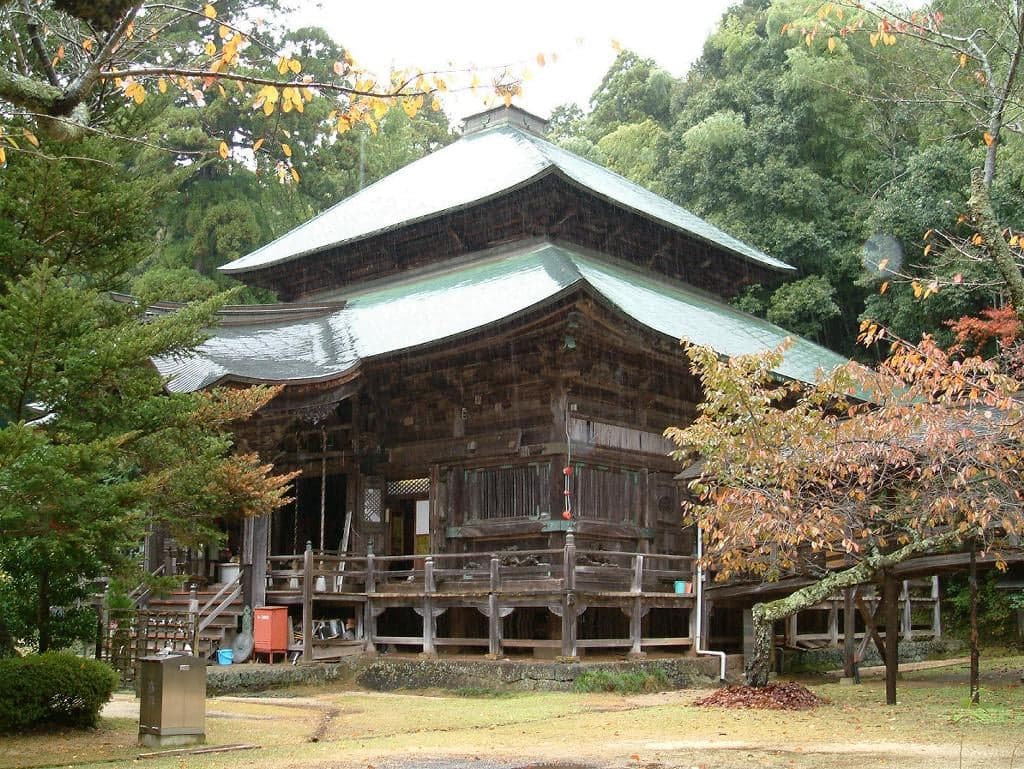
Banshu Kiyomizu-dera
Buddhistischer Tempel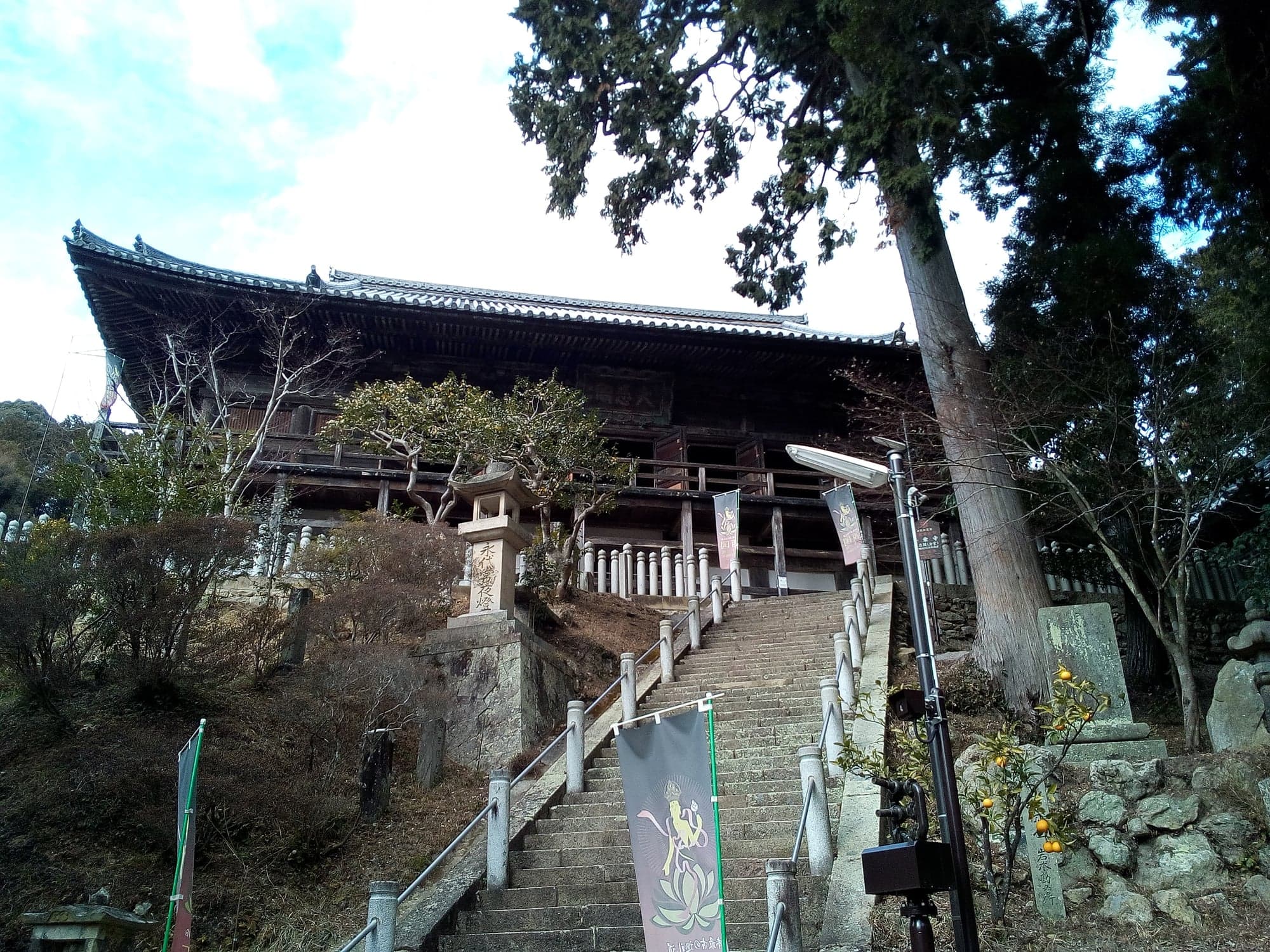
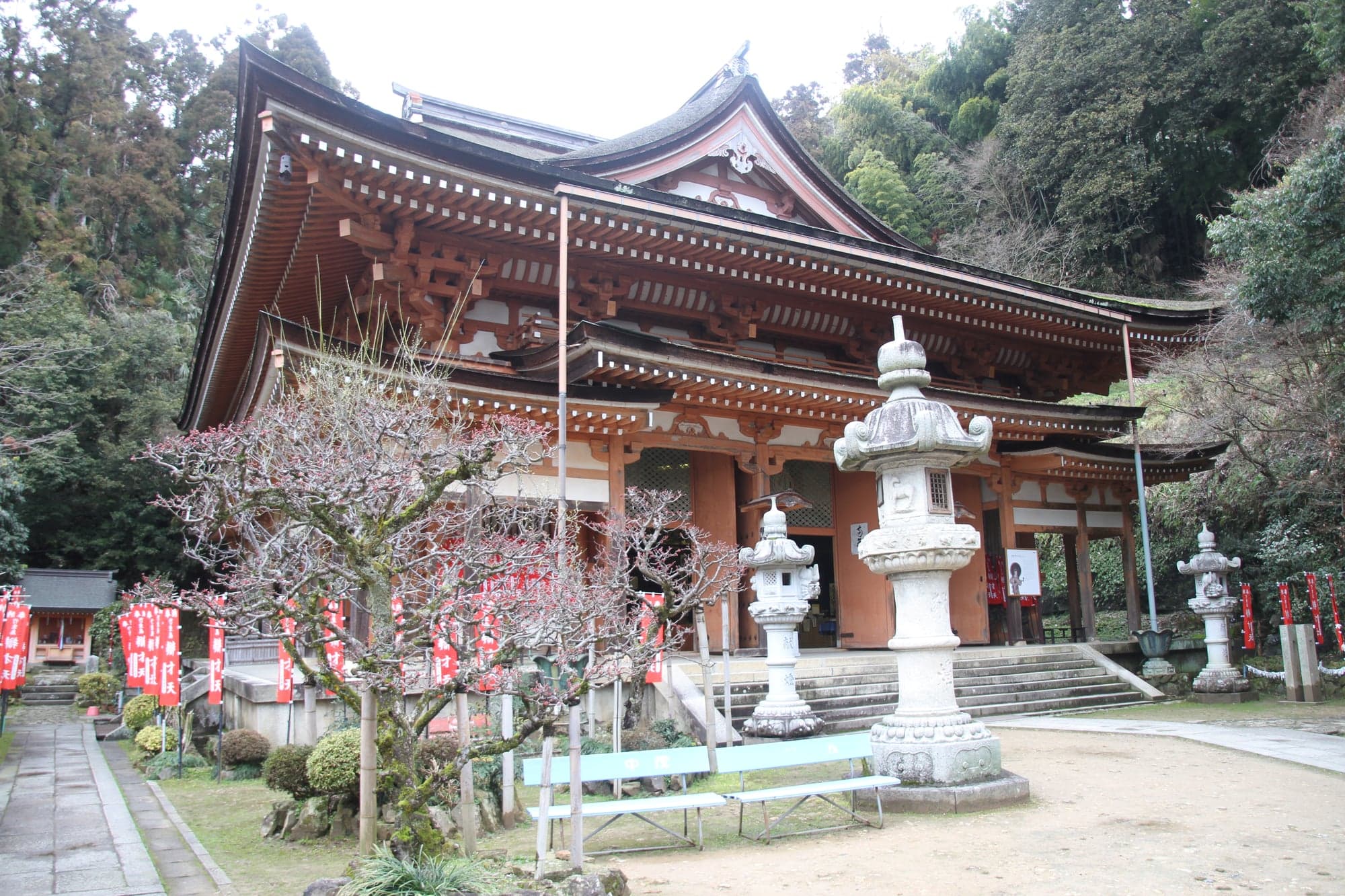
Hogon-ji
Buddhistischer TempelHōgon-ji (宝厳寺) is a Buddhist temple located on Chikubushima in the city of Nagahama, Shiga Prefecture, Japan. It belongs to the Shingon-shū Buzan-ha sect of Japanese Buddhism and its honzon is a hibutsu statue of Benzaiten.
Tempel-Details ansehen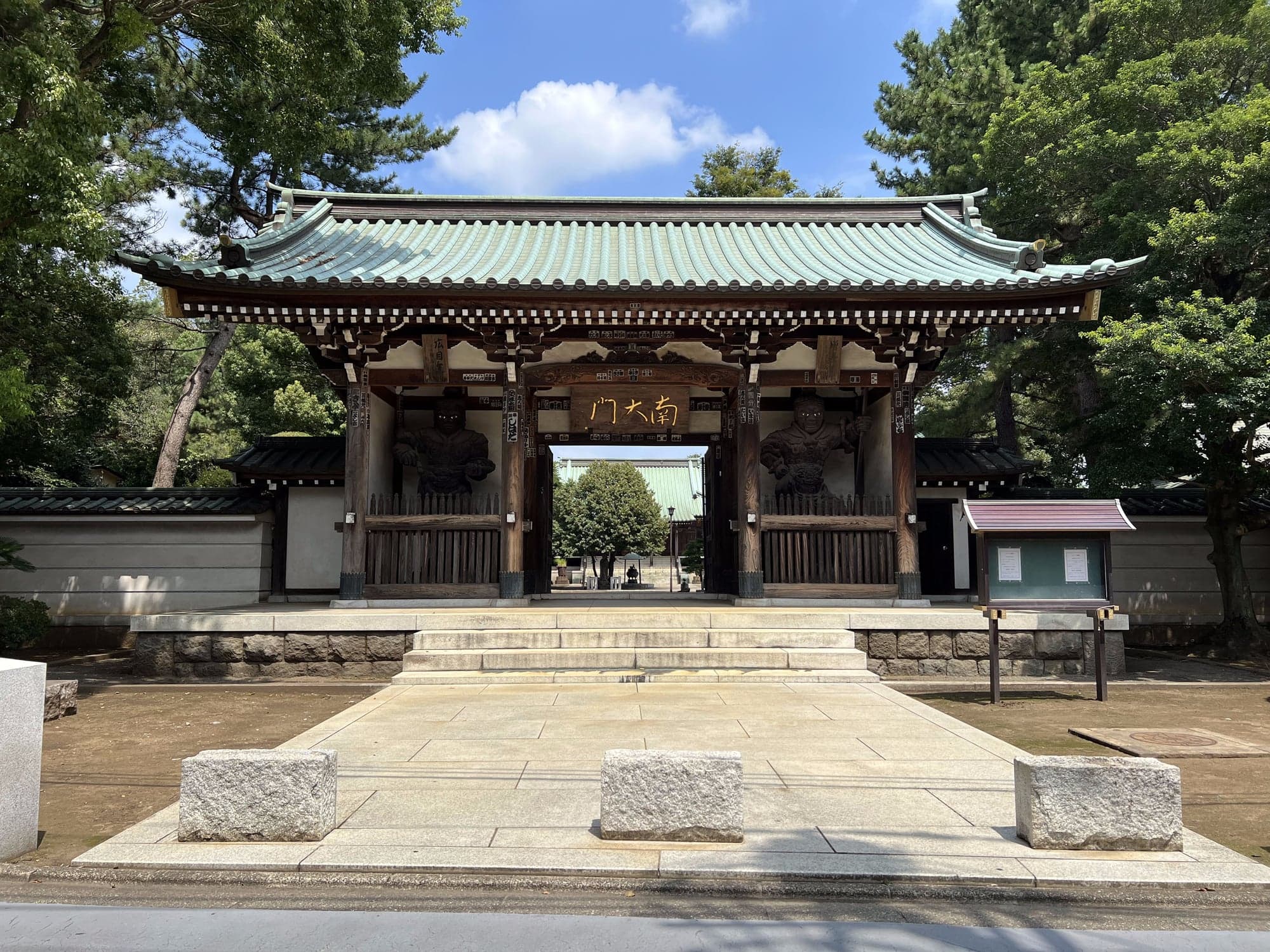
Chomei-ji
Buddhistischer TempelChōmei-ji is a Tendai Buddhist temple in Ōmihachiman, Shiga Prefecture, on the east shore of Lake Biwa. It is part of the 33-temple Saigoku Kannon Pilgrimage and enshrines Senjū Kannon Bosatsu as its honzon.
Tempel-Details ansehen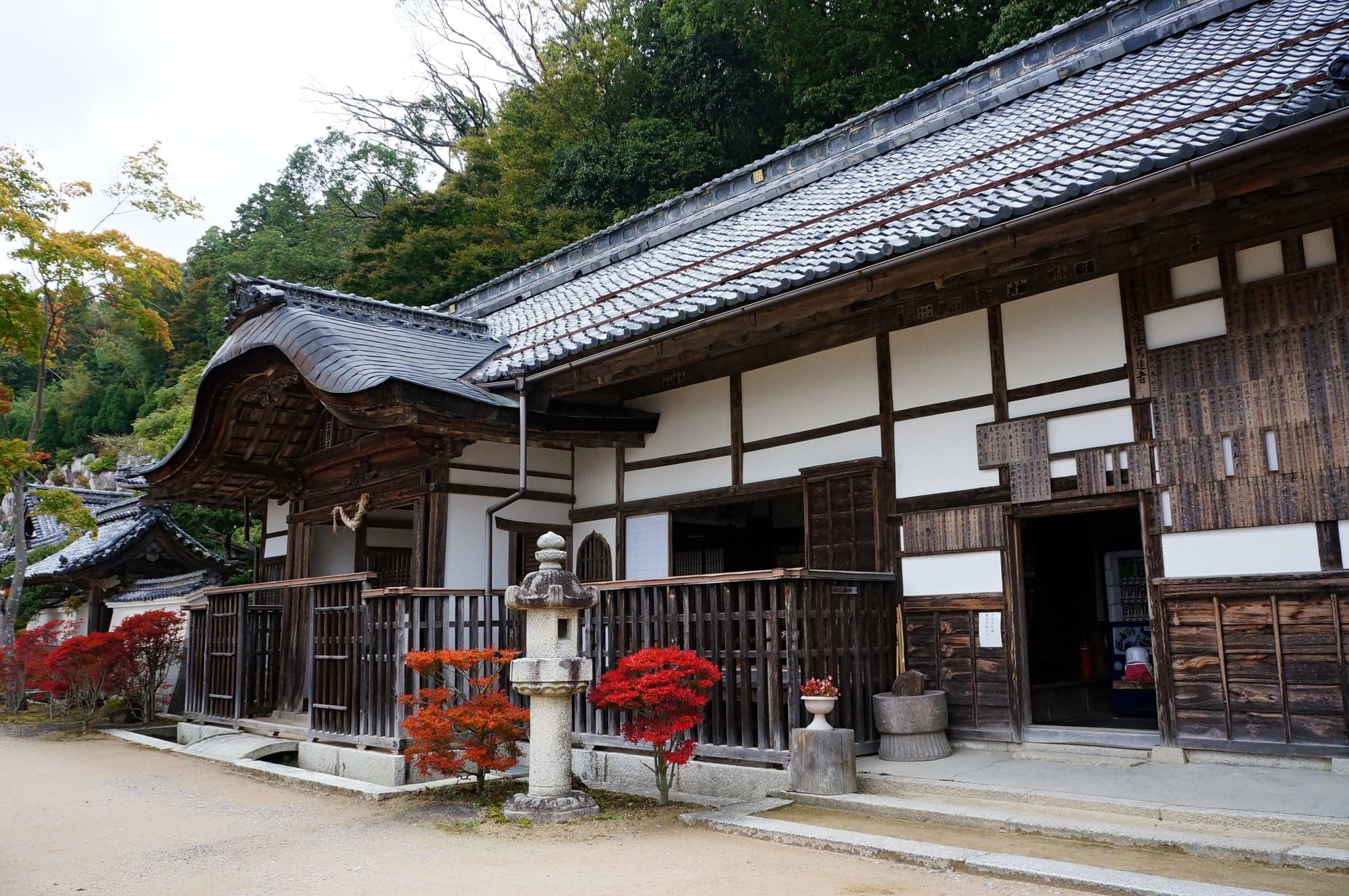
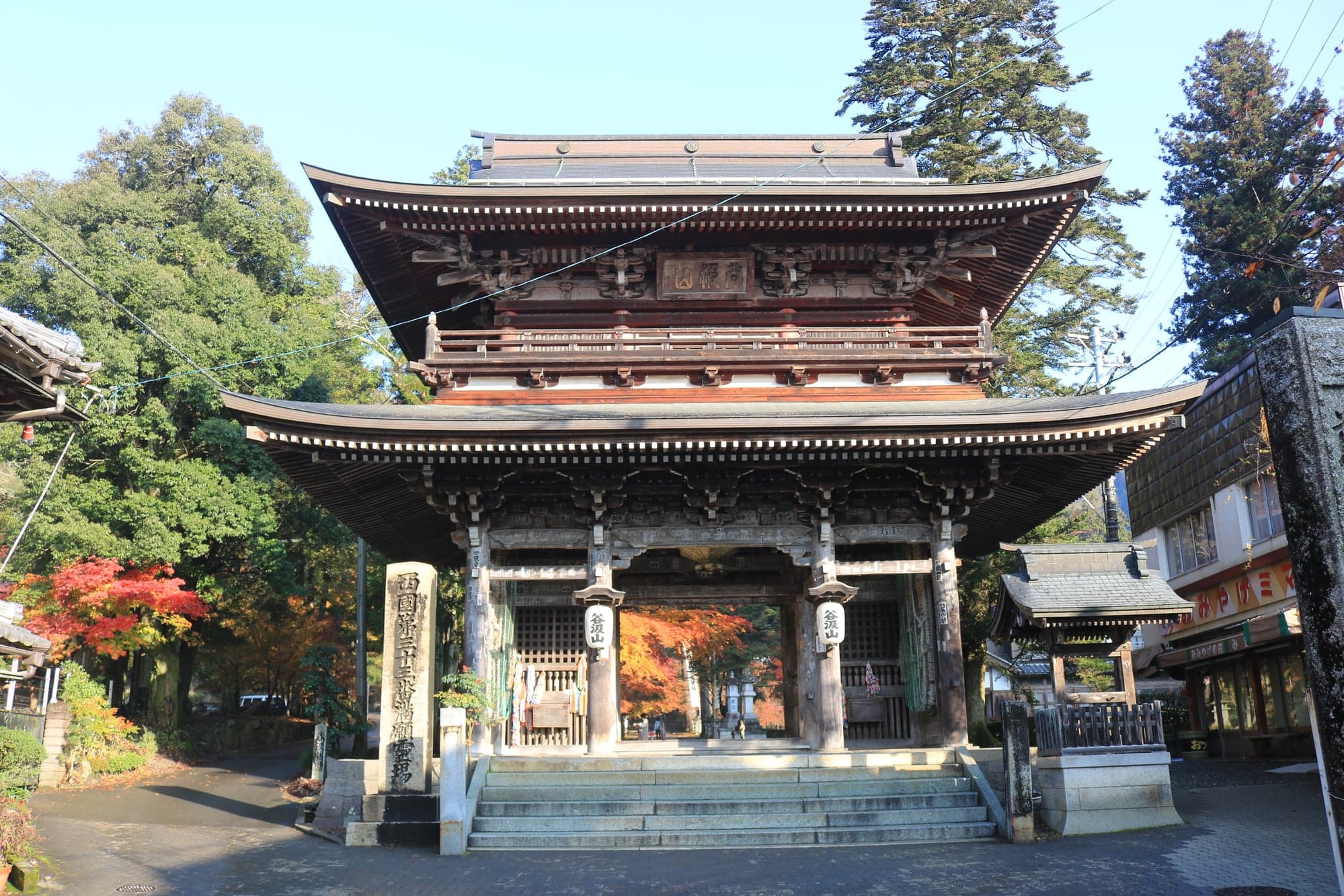
Zeige die ersten 20 von 33 Tempeln. Laden Sie die App herunter, um die vollständige Route zu sehen.
Vervollständigen Sie Ihre Saigoku 33 Kannon Pilgerfahrt
Verfolgen Sie Ihren Fortschritt, sammeln Sie Goshuin an jedem Tempel, greifen Sie auf Offline-Karten zu und dokumentieren Sie Ihre spirituelle Reise mit Goshuin Atlas.