
Kamakura Seven Lucky Gods
This compact walking route in Kamakura connects seven temples and shrines linked to prosperity, longevity, and good fortune. Popular during New Year, it passes through old neighborhoods, coastal paths, and major historic sites in one day.
Verfolgen Sie Ihre Kamakura Seven Lucky Gods Reise
Laden Sie Goshuin Atlas herunter, um Ihren Fortschritt auf der Kamakura Seven Lucky Gods Route zu verfolgen, Goshuin-Stempel an jedem Tempel zu sammeln und auf Offline-Karten für Ihre spirituelle Reise zuzugreifen.

Routeninformationen
Gesamt Tempel
7
Geschätzte Dauer
~1 Tage
Tempel auf Kamakura Seven Lucky Gods Route

Tsurugaoka Hachimangū
Shinto-SchreinThe most important Shinto shrine in Kamakura, established in 1063 and rebuilt in 1828 in traditional Edo architectural style. Serves as the cultural center of the city, hosting major festivals and ceremonies, with a rich history tied to the Kamakura shogunate.
Tempel-Details ansehen
Hokai-ji
Buddhistischer TempelFounded by Ashikaga Takauji in 1333 to honor the Hōjō clan who perished that year. Known as "bush-clover temple" for its garden flowers. Tendai sect temple enshrining Jizō, Juntei Kannon, and Bishamonten. Located on the former Hōjō regents' residence site.
Tempel-Details ansehenJomyo-ji
Buddhistischer TempelA tranquil Rinzai Zen temple founded in the 13th century, Number Five of Kamakura Gozan. Features a beautiful karesansui dry garden, traditional teahouse, and strolling gardens with seasonal flowers. Known for its peaceful atmosphere and ties to the Ashikaga clan.
Tempel-Details ansehen
Myohon-ji
Buddhistischer TempelOne of the oldest Nichiren sect temples in Kamakura, founded in 1260 on the former estate of the Hiki clan. Known as Chōkō-zan Myōhon-ji, this 13th-century Buddhist temple is surrounded by peaceful gardens and features beautiful seasonal flowers in a tranquil forest setting.
Tempel-Details ansehen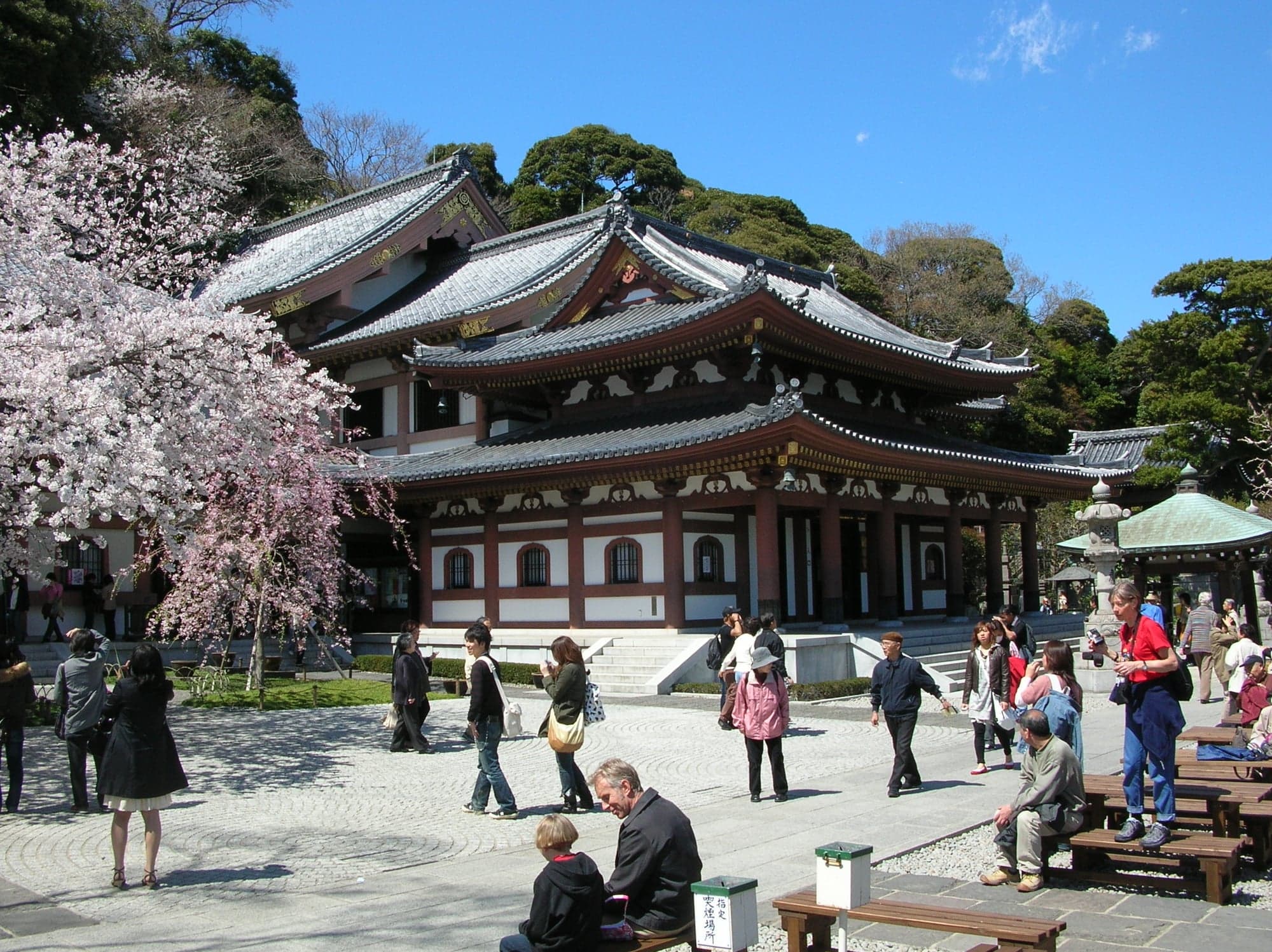
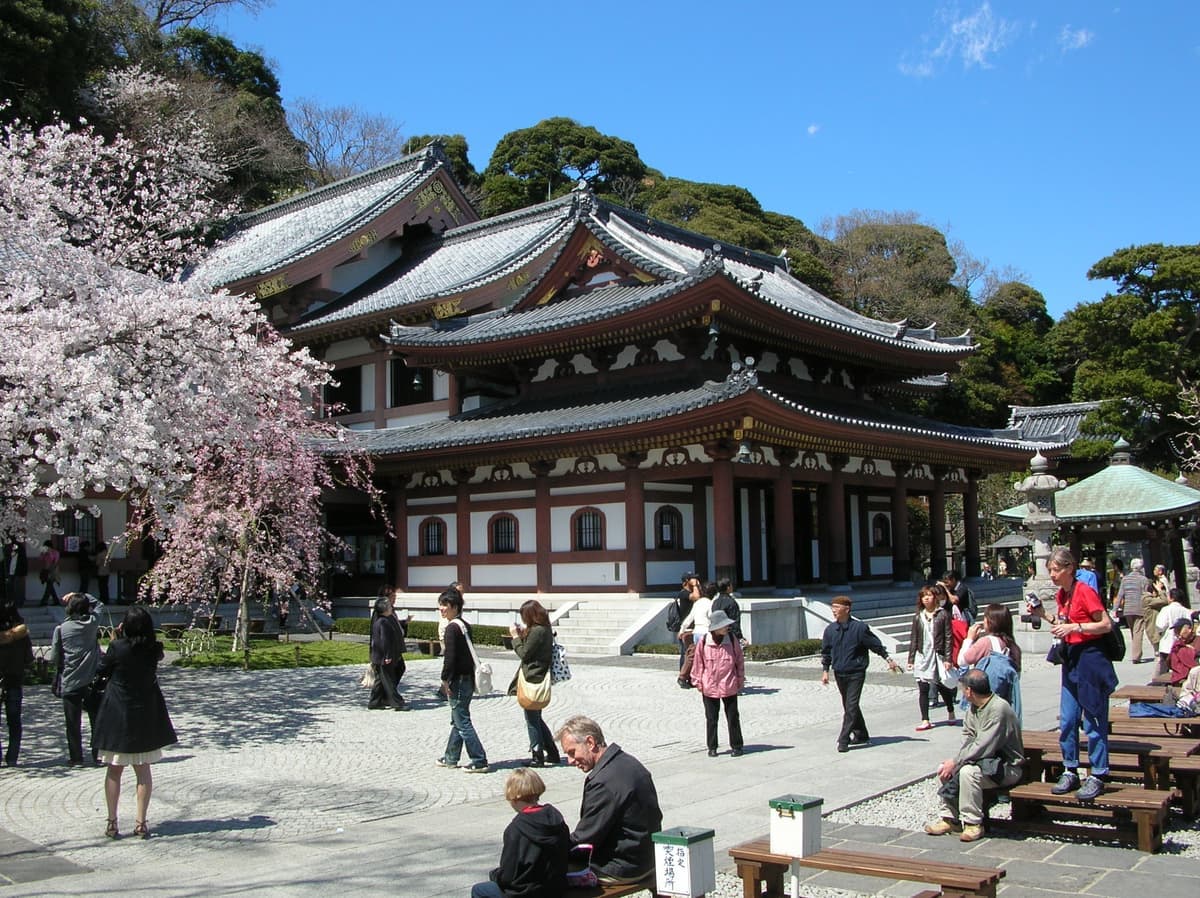
Hase-dera
Buddhistischer TempelAncient Buddhist temple in Kamakura famous for its massive 9-meter gilded wooden statue of Kannon, the goddess of mercy. Founded in 736, it features beautiful gardens, ocean views, and thousands of small Jizo statues honoring children.
Tempel-Details ansehen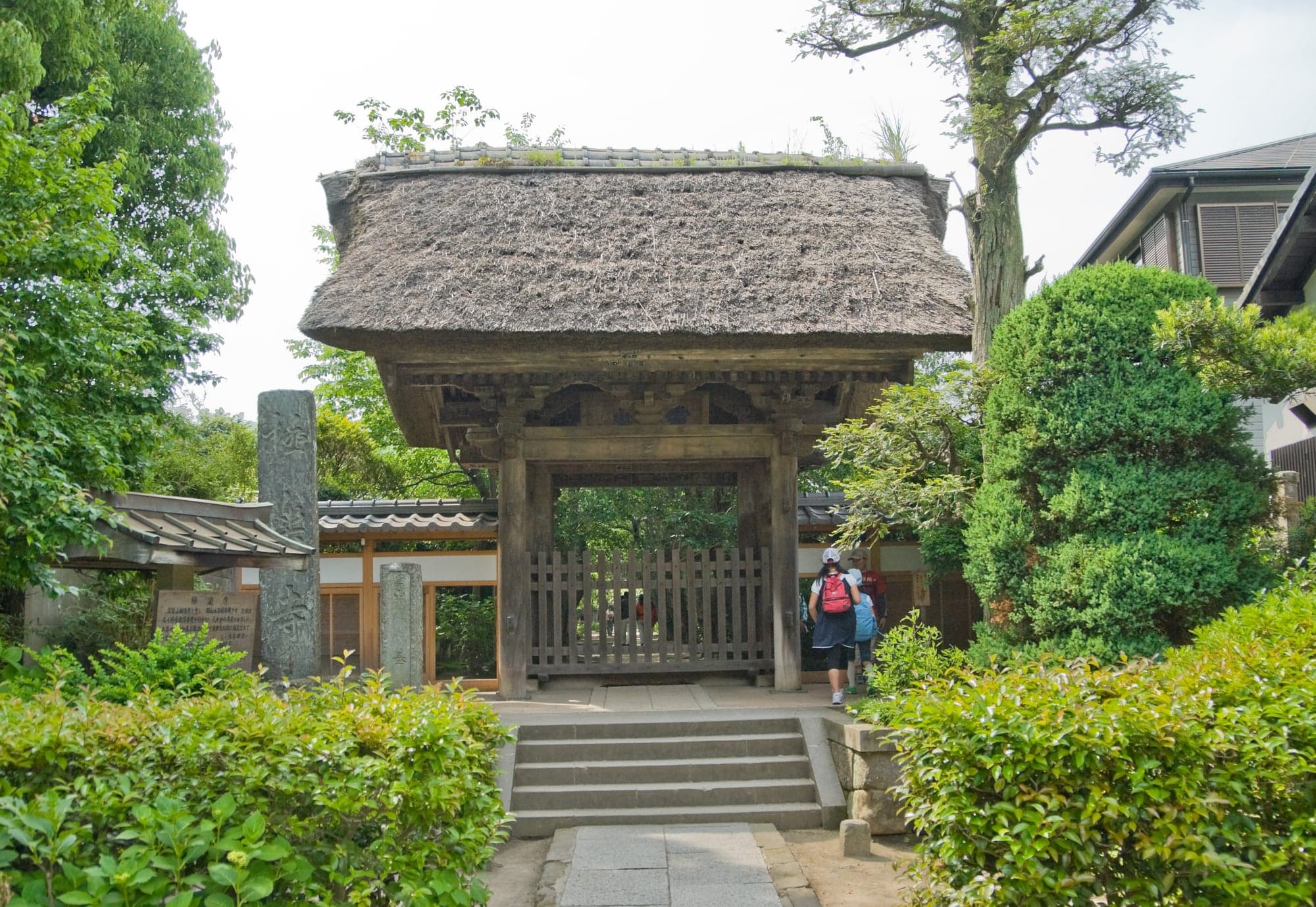
Gokuraku-ji
Buddhistischer TempelGokurakuji is a historic Buddhist temple in Kamakura, known for its tranquil atmosphere and beautiful natural setting. As one of the important temples in the area, it offers visitors a peaceful retreat with traditional architecture and seasonal gardens.
Tempel-Details ansehenJufuku-ji
Buddhistischer TempelJufuku-ji is a Rinzai Zen Buddhist temple located in the Ogigayatsu district of Kamakura. Founded during the Kamakura shogunate period, it stands as one of Kamakura's Five Great Zen Temples, reflecting the city's historical significance as Japan's first military capital.
Tempel-Details ansehenVervollständigen Sie Ihre Kamakura Seven Lucky Gods Pilgerfahrt
Verfolgen Sie Ihren Fortschritt, sammeln Sie Goshuin an jedem Tempel, greifen Sie auf Offline-Karten zu und dokumentieren Sie Ihre spirituelle Reise mit Goshuin Atlas.